HomeGoods vs HomeSense: What's the Difference?
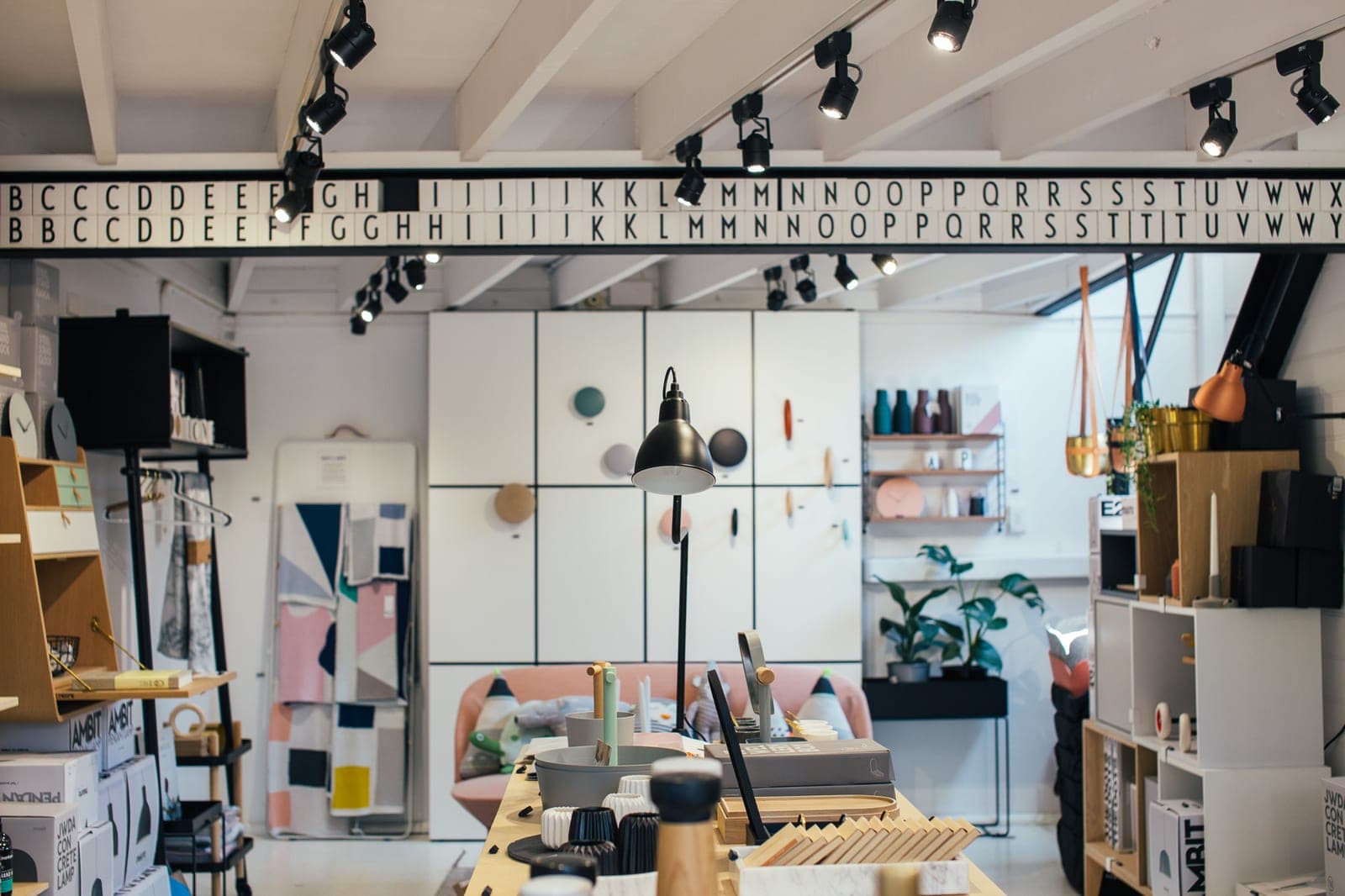
Same owner, two stores: HomeSense is the larger, furniture-heavy sibling of HomeGoods.
Read the guideSettle the debate
Two options, one clear answer — laid out in a table you can scan in ten seconds.
Some decisions come down to a straight either/or: HomeGoods or HomeSense? Home Goods or At Home? A furniture dolly or a utility dolly? These comparisons settle those questions with a scannable table and a clear verdict — no fluff, no burying the answer six paragraphs down. You get the differences that actually matter, then a recommendation for who should pick which.
The stores in this section are the off-price and big-box names people shop for home decor. They’re genuinely useful for treasure-hunting, but they all have gaps — inconsistent stock, no online browsing, or thin selection in a category you care about. Where that’s the case, we point you to the Amazon picks that fill the hole.
Same owner, two stores: HomeSense is the larger, furniture-heavy sibling of HomeGoods.
Read the guide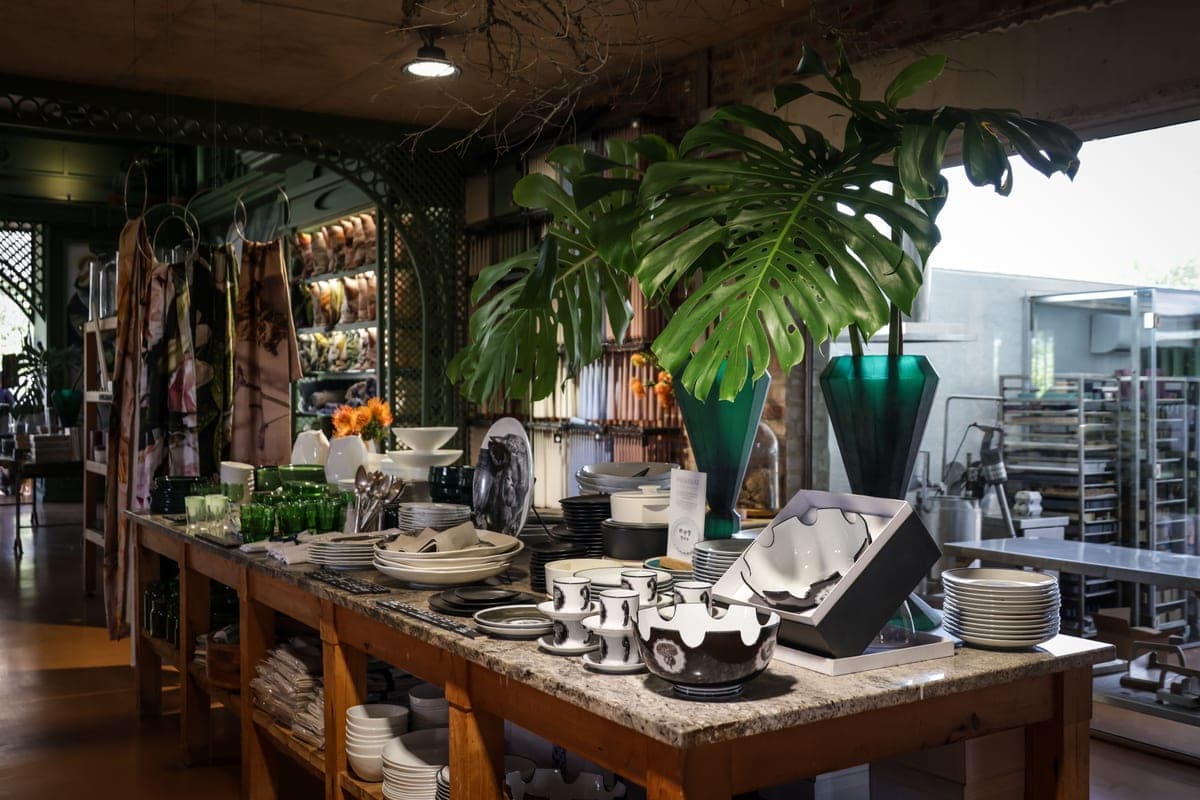
Off-price treasure hunt vs big-box superstore: how HomeGoods and At Home really compare.
Read the guide
Finished off-price decor vs decor plus crafts and framing: HomeGoods vs Hobby Lobby.
Read the guideHome-only specialist vs the everything store: how Wayfair and Amazon compare for furniture and decor.
Read the guide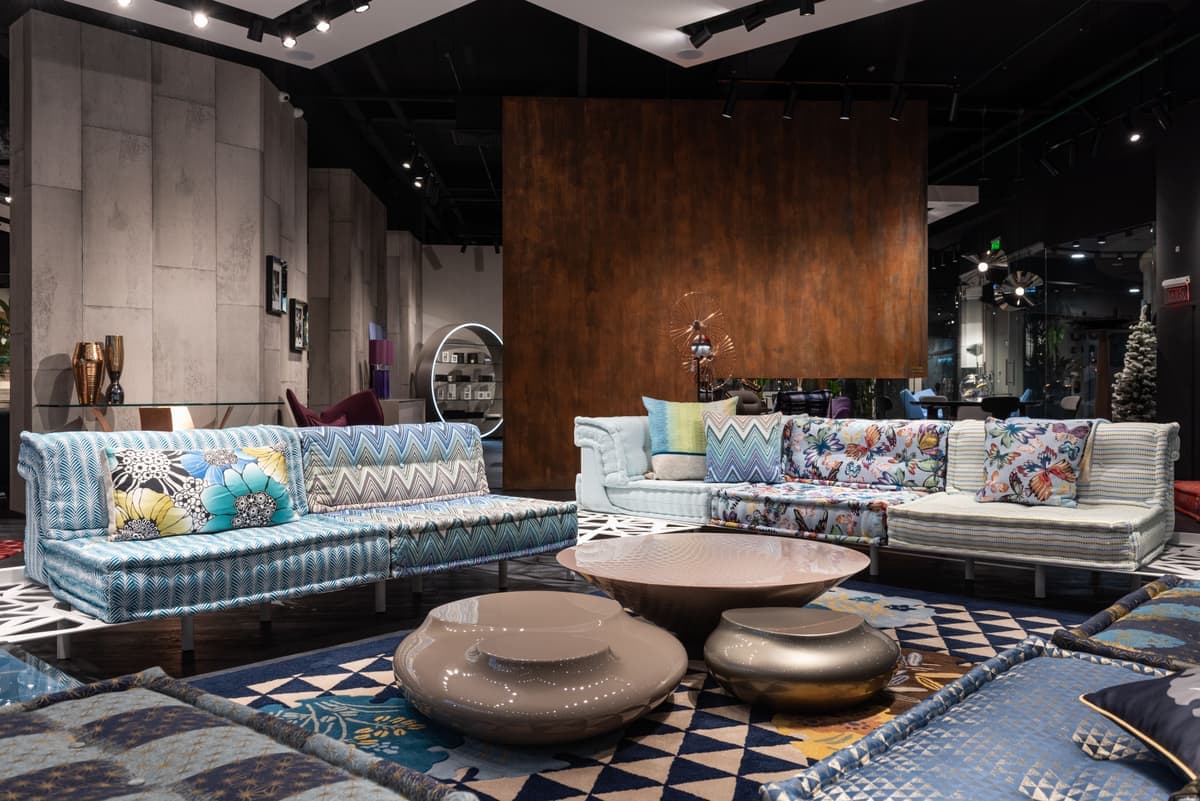
Scandinavian flat-pack store vs doorstep delivery: how IKEA and Amazon compare for ready-to-assemble furniture.
Read the guideTarget's curated in-house brands vs Amazon's endless marketplace: which wins for home decor.
Read the guideWest Elm's mid-century design and sustainability vs Amazon's cheaper look-alikes.
Read the guideBoth are TJX off-price stores: HomeGoods is home-only, Marshalls adds a home section to its clothing.
Read the guideWayfair's endless online catalog vs IKEA's flat-pack Scandinavian value, compared.
Read the guideSame parent, opposite aesthetics: West Elm reads modern and mid-century, Pottery Barn classic and transitional.
Read the guide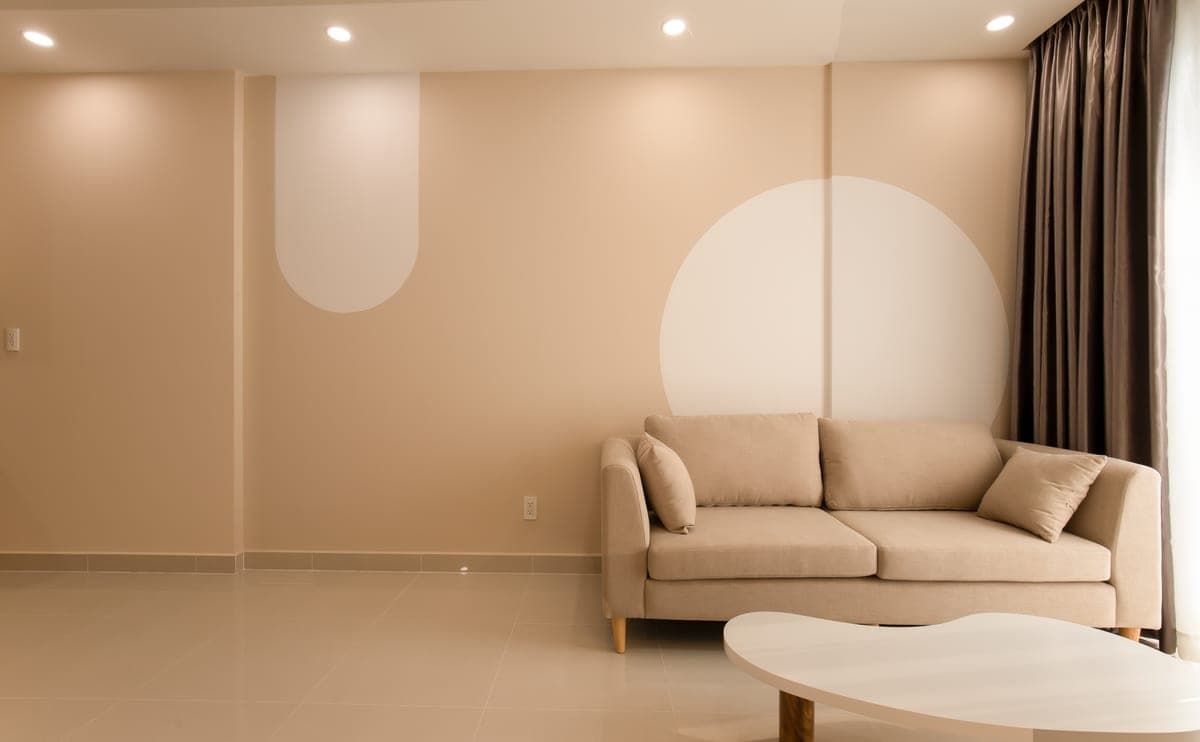
Leather ages gracefully and wipes clean; fabric is warmer, softer, and comes in endless colors. Here is how to choose.
Read the guideBoth are TJX off-price stores: HomeGoods is home-only and in-store, T.J. Maxx mixes home with apparel but sells online.
Read the guide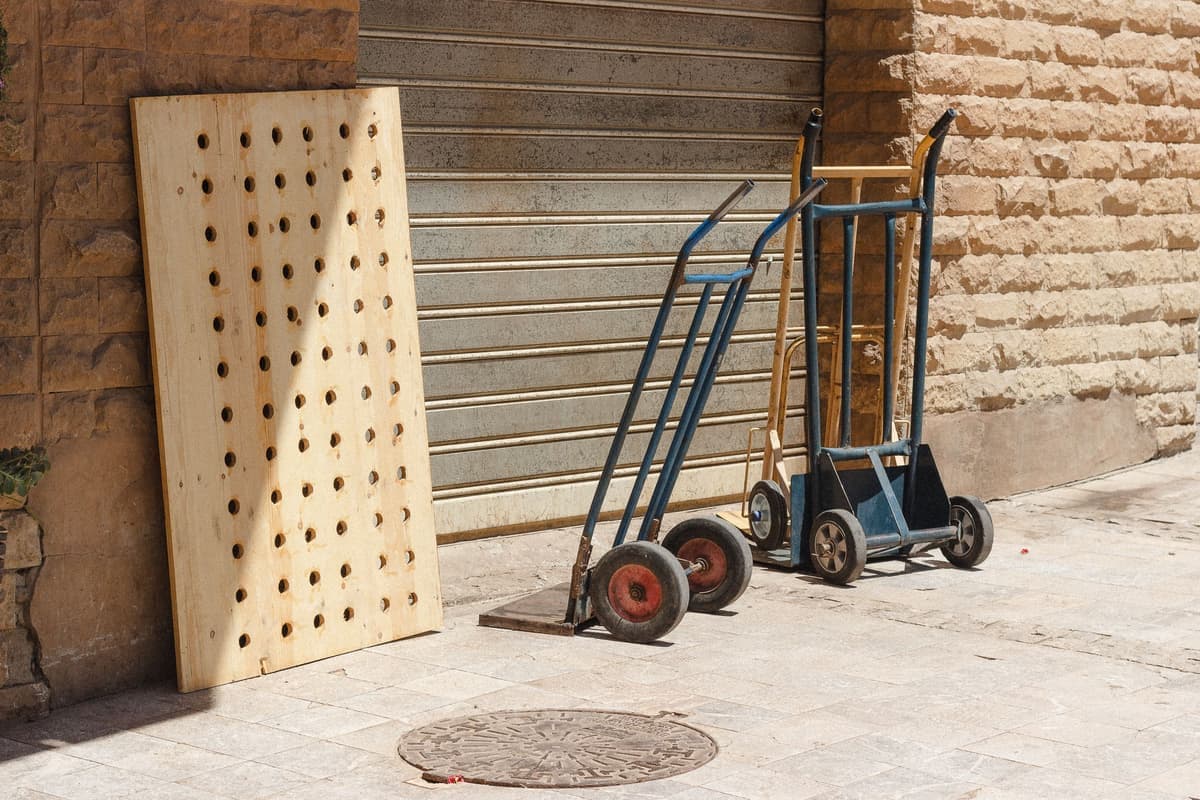
A furniture dolly carries the load flat and level; a utility dolly tips it back on two wheels. Here is which one your move needs.
Read the guideEvery comparison uses the same honest yardsticks: who owns the store, what it’s actually best at, price level, product mix, and where it falls short. We lead with a side-by-side table so you can decide in ten seconds, then explain the nuance underneath. Start with the big one — HomeGoods vs HomeSense — then see Home Goods vs At Home and Home Goods vs Hobby Lobby.
The same treatment works on product decisions, not just store ones. If you’re trying to work out which wheeled thing your move actually needs, start with furniture dolly vs utility dolly — capacity, stairs, floor damage, and a clear pick for each job.
Off-price stores are unbeatable when you have time to browse and get lucky. But when you need a specific thing — a particular size rug, a matching set, a piece you can compare and return easily — Amazon usually wins on certainty. That’s why each comparison links to the relevant home goods and home decor roundups: use the stores for the hunt, and Amazon for the sure thing.
See the Amazon picks that cover the same looks, in stock and easy to return.