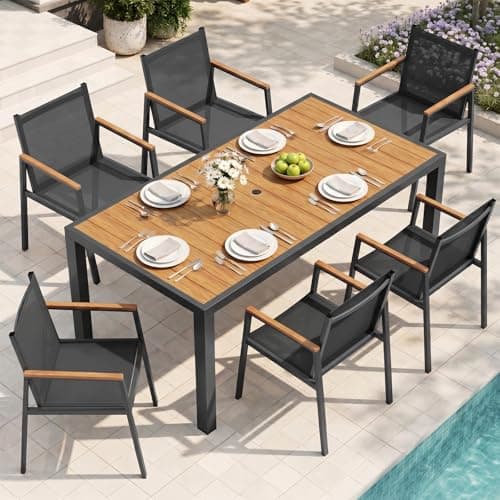
All-Weather Outdoor Dining Set
Best for the outdoor dining zone
A weatherproof table-and-chairs set that moves dinner outside for the whole warm season.
$699.99 · View on Amazon
#ad · disclosure · Price as of September 19, 2026
Rooms
How I turn a patio, deck, or balcony into real outdoor rooms - plan the zones, style the layers, then buy in the right order.
By Catherine Vizcaino · Home-renovation pro & founder
Updated August 2026

As an Amazon Associate, I Heart My Home earns from qualifying purchases. It never changes your price or our picks. Learn more.
Outdoor living just means treating the space outside your back door like more rooms of the house instead of leftover yard. A patio, a deck, a covered porch, even a small apartment balcony — each one can be a place to eat, lounge, or warm up around a fire, and the homes that actually use their outdoor space are the ones that planned it that way. After years of renovating homes, I approach the outside the same way I approach an indoor living room: decide what the space is for, then furnish it to do that one job well.
This guide is the big-picture version — how to map your outdoor living zones, the best practices for styling them so they feel finished, and the furniture and decor worth spending on. If you want the detailed, piece-by-piece build for one seating area, our patio guide walks through the exact conversation set, rug, umbrella, and lights. Think of this page as the plan and that one as the shopping trip.
One honesty note that holds true across the whole site: Amazon prices move constantly, so every pick below shows a Check price on Amazon button instead of a number I cannot stand behind. For the broader category, our best furniture guide covers the anchor pieces indoors and out.
Best for the outdoor dining zone
A weatherproof table-and-chairs set that moves dinner outside for the whole warm season.
#ad · disclosure · Price as of September 19, 2026
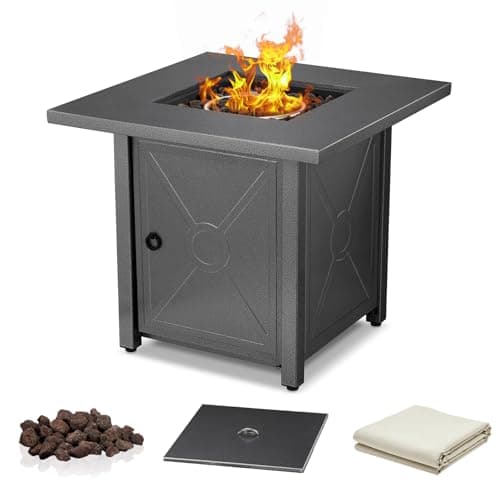
Best for warmth after sunset
A gas fire table that gives the seating group a warm center and stretches the season into the cool evenings.
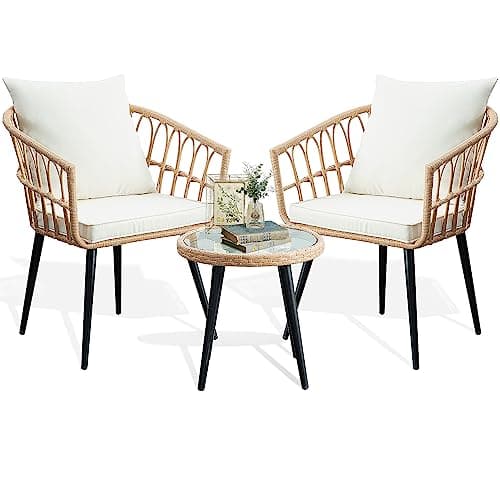
Best for balconies and small patios
A two-chairs-and-a-table set small enough for a balcony but enough to make it a real spot to sit.
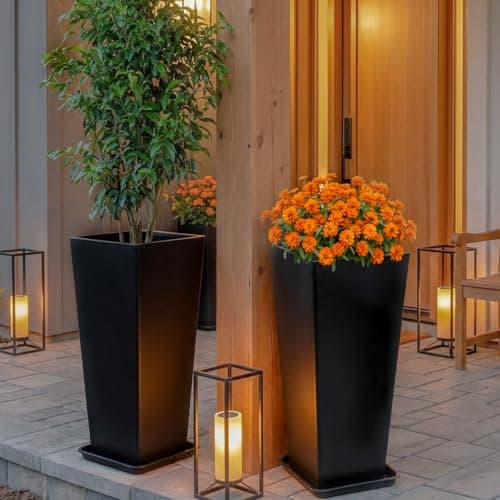
Best for greenery and structure
A matched pair of tall planters that frame the seating and make a bare patio feel established.
#ad · disclosure · Price as of September 19, 2026
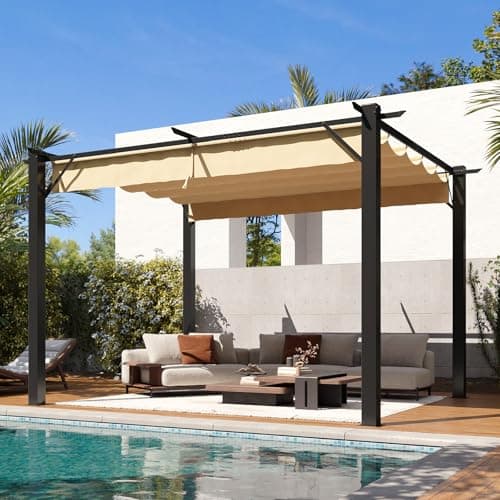
Best for shade and structure
A framed pergola that gives an open patio its own roofline and shade you can slide open or closed.
#ad · disclosure · Price as of September 19, 2026
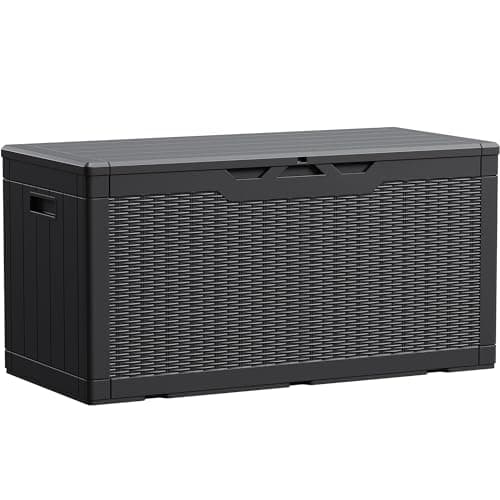
Best for cushion and decor storage
A weatherproof box that gives cushions, pillows, and decor a dry home right where you use them.
#ad · disclosure · Price as of September 19, 2026
Before you buy a single piece, decide what your outdoor space is actually for. Most usable outdoor living breaks into a few simple zones: a lounge zone for sitting and talking, a dining zone for eating, and often a warm-up zone around a fire feature. A big yard might hold all three; a balcony might hold half of one, and that is fine. The point is to choose on purpose instead of scattering furniture and hoping.
Then measure and orient the way you would inside. Leave a clear walking path around each seating group, keep roughly 18 inches between a sofa and its table so drinks are in reach, and make sure any door or gate still swings clear. Note where the afternoon sun lands so you know where shade has to go, and point the seating toward the best view or back toward the house for privacy.
One outdoor-only factor decides a lot: exposure. A covered porch can hold nearly anything, while a fully open slab needs everything weighted, anchored, or light enough to bring in. Plan for wind and weather up front and the space stays usable instead of becoming a pile you are always chasing across the yard. For the full piece-by-piece build of a single seating zone, our patio guide takes it from there.
An outdoor room comes together in the same order as an indoor one, with shade standing in for part of the lighting layer:
A few styling habits make the difference between a slab with chairs and a room you want to sit in. Carry your indoor palette outside so the spaces feel connected through the back door. Cluster greenery in odd numbers and vary the heights so it reads as planted, not placed. And resist the urge to spread furniture to the edges — pulling the seating into a group in the middle is what makes an outdoor space feel intentional. For touches that swap onto that last layer as the weather turns, our summer decor and home decor ideas carry outside just as well as in.
Outdoor living adds up fast if you buy everything at once, so spend in the order the space gets used. Put your money into the anchor and the shade first: a seating or dining set that people actually want to sit in, and something overhead so the space is usable at midday. Those two decide whether the patio gets used at all.
The fire feature, planters, rug, and lights are the next layer — each one meaningfully extends the hours or the seasons you spend outside, but the space works without them on day one, so they can come as the budget allows. Save the cushions, pillows, and decor for last; they are the cheapest layer and the one you will swap most, so there is no reason to overspend there.
Whatever you buy, let the weather guide the material. For frames, look for powder-coated aluminum, all-weather resin wicker over a coated frame, or hardwoods like teak and eucalyptus, and steer clear of bare or lightly painted steel that rusts from the inside out. For anything with fabric, the words to find are solution-dyed and fade-resistant. A quick read from Consumer Reports on outdoor furniture materials is worth it before a bigger purchase, and a storage box or covers from day one is what keeps the soft goods lasting seasons instead of months. For the anchor pieces across the whole category, start with our best furniture guide.
Outdoor living means treating your patio, deck, porch, or balcony like additional rooms — places to lounge, dine, or gather around a fire rather than leftover yard. Start by deciding what the space is for, then break it into simple zones: a lounge zone, a dining zone, and often a warm-up zone around a fire feature. Furnish one zone well before adding the next.
Scale the furniture to the space and pick one job for it. A 3-piece bistro set turns a balcony or tiny patio into a real spot for coffee or an evening drink without swamping it, and folding pieces tuck away when you need the room back. Add a planter or two for greenery and gentle ballast, keep everything off the railing, and choose pieces with a little weight so wind does not move them.
Spend on the anchor and the shade first: a seating or dining set people actually want to sit in, and something overhead — an umbrella, pergola, or sail — so the space is usable at midday. The fire feature, planters, rug, and lights come next and extend the hours and seasons you spend outside. Cushions, pillows, and decor are the cheapest, most swappable layer, so buy them last.
Add heat and shelter. A propane fire table or patio heater keeps people outside into the cool spring and fall evenings, while shade — an umbrella, pergola, or sail — makes the space usable through the hottest part of a summer day. Overhead string lights extend the useful hours after dark. Together, warmth, shade, and light are what turn a summer-only patio into a space you reach for most of the year.
Layer it the way you would inside: anchor, then shade and light, then an outdoor rug and cushions, then greenery and decor last. Pull the seating into a group rather than pushing it to the edges, carry your indoor color palette outside so the spaces feel connected, and cluster greenery in odd numbers at varied heights. An outdoor rug under the seating and warm overhead light are the two moves that most make concrete read as a room.
Browse the roundups I'd actually hand a client — honest picks, real trade-offs, and the one to buy first.