Skip to content
IMy Home

Best Picks

The Best Furniture Paint for a Lasting Finish

Chalk, mineral, milk, or enamel - here's what I reach for and why it lasts.

By Catherine Vizcaino · Home-renovation pro & founder

Updated August 2026

Painting a dresser with a brush during a DIY project

As an Amazon Associate, I Heart My Home earns from qualifying purchases. It never changes your price or our picks. Learn more.

A painted piece of furniture either looks like a loving transformation or a peeling regret, and the difference is almost never the color — it’s the paint you chose and the prep you did. After refinishing more dressers, tables, and cabinets than I can count, I’ve landed on a short list that covers every kind of project, from a beginner’s first flip to a kitchen table that has to survive family dinners.

Below are six picks plus the honest rundown on chalk vs mineral vs all-in-one vs enamel, so you buy the right type the first time. As always, you’ll see a Check price on Amazon button rather than a price I can’t promise — see our editorial policy for how these picks are chosen.

Quick picks at a glance

#ProductBest forPrice
1
Painting a dresser with a brush during a DIY project
Rust-Oleum Chalked Ultra Matte Paint

The forgiving, widely stocked chalk paint that gets beginners a matte finish fast.

beginner chalk projects
2
Painting a dresser with a brush during a DIY project
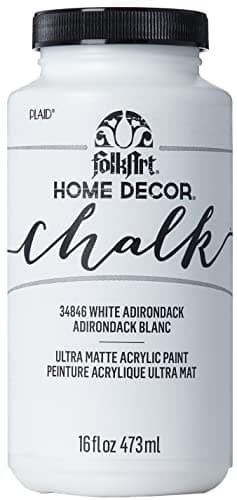
FolkArt Home Decor Chalk

Small-batch chalk paint in craft-friendly sizes for accents, frames, and signs.

small craft and accent projects
3
Painting a dresser with a brush during a DIY project
Country Chic Mineral Paint

A low-VOC mineral paint with a tougher built-in finish and a designer color range.

low-VOC mineral finish
4
Painting a dresser with a brush during a DIY project
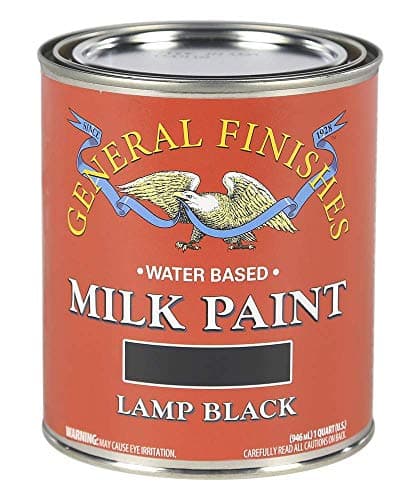
General Finishes Milk Paint

A tough, self-leveling acrylic (despite the name) that pros reach for on high-wear pieces.

durable, self-leveling color
5
Painting a dresser with a brush during a DIY project
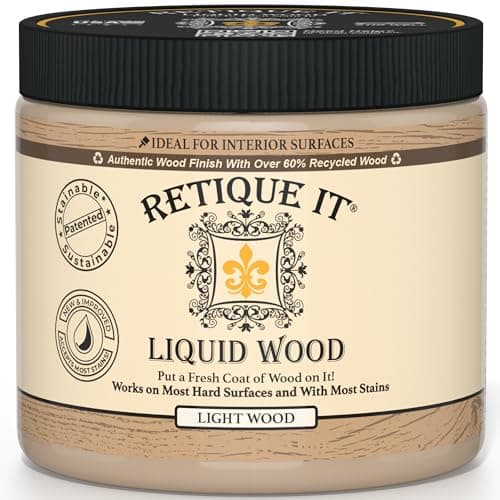
Retique It Furniture Paint

Specialty paints and a Liquid Wood system for wood-grain looks on any surface.

wood-look and specialty finishes
6
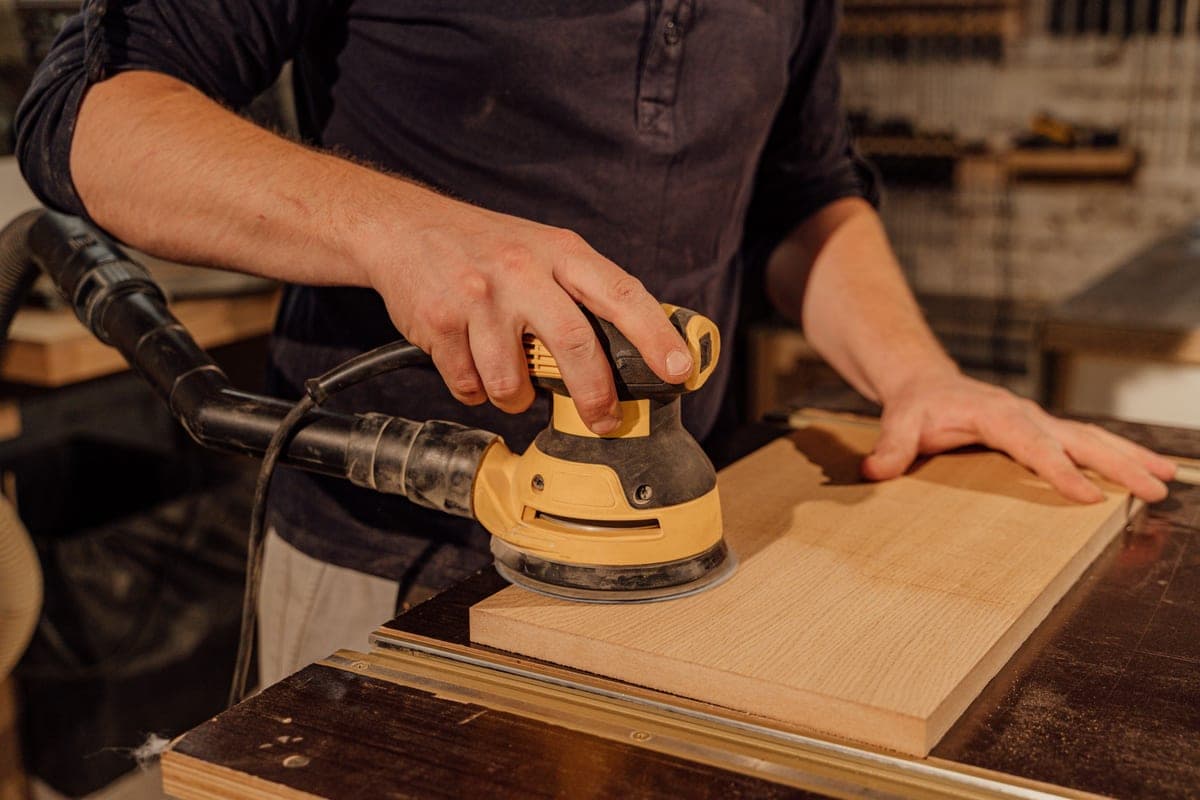
Sanding a wood surface while refinishing furniture
KILZ Stain-Blocking Primer

The stain-blocking primer that stops old wood tannins and stains from bleeding through.

blocking stains and bleed-through

Tap any row to jump to the full write-up. Prices open on Amazon in a new tab.

How we chose these picks

Every pick here is chosen the way I’d choose it for a client’s home: real-world durability first, build quality and materials second, and value for the money third. Where I’ve installed or lived with a product on a job, I say so and tell you what I saw. Where a pick is based on research and verified buyer feedback rather than hands-on use, I say that too — I never claim to have tested something I haven’t.

Read our full editorial policy for how we evaluate and update these guides.

1

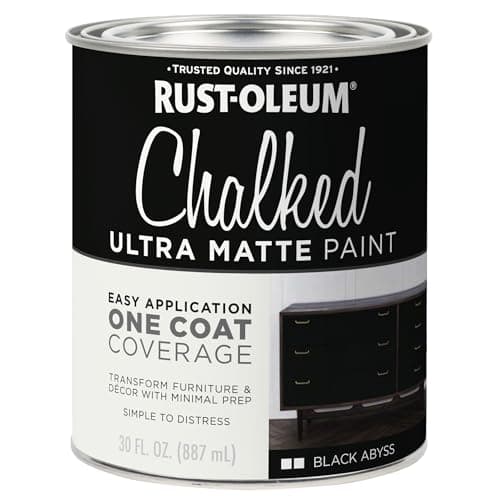
Rust-Oleum Chalked Ultra Matte Paint

Rust-Oleum · Best for beginner chalk projects
Painting a dresser with a brush during a DIY project

The forgiving, widely stocked chalk paint that gets beginners a matte finish fast.

Rust-Oleum Chalked is where most people should start. It grips slick surfaces with little sanding, dries to a soft matte, and forgives a shaky first brushstroke - exactly what a first furniture flip needs.

Pros

  • Ultra-matte finish with minimal prep
  • Great coverage in one or two coats
  • Widely available in stores and online
  • Easy to distress for a vintage look

Cons

  • Needs a topcoat to hold up to wear
  • Matte finish shows fingerprints
  • Fewer designer colors than boutique brands
2

FolkArt Home Decor Chalk

FolkArt · Best for small craft and accent projects

Painting a dresser with a brush during a DIY project

Small-batch chalk paint in craft-friendly sizes for accents, frames, and signs.

For a picture frame, a small side table, or a craft weekend, FolkArt lets you buy just enough paint in the exact color you want. It's the sensible choice when a full quart would be overkill.

Pros

  • Sold in small, affordable sizes
  • Big range of on-trend colors
  • Nice for accents and small pieces
  • Low odor and easy cleanup

Cons

  • Small containers get pricey for big jobs
  • Still needs sealing for durability
  • Coverage varies by color
3

Country Chic Mineral Paint

Country Chic Paint · Best for low-VOC mineral finish

Painting a dresser with a brush during a DIY project

A low-VOC mineral paint with a tougher built-in finish and a designer color range.

Mineral paint splits the difference between chalk and enamel: matte and forgiving like chalk, but harder-wearing and more self-sealing. Country Chic pairs that with a genuinely tasteful color range, which is why it wins with people painting a statement piece.

Pros

  • Low-VOC, low-odor mineral formula
  • More self-sealing than plain chalk paint
  • Beautiful muted, modern colors
  • Works indoors with little ventilation fuss

Cons

  • Costs more than hardware-store chalk paint
  • Mostly sold online
  • Still smart to topcoat high-wear pieces
4

General Finishes Milk Paint

General Finishes · Best for durable, self-leveling color

Painting a dresser with a brush during a DIY project

A tough, self-leveling acrylic (despite the name) that pros reach for on high-wear pieces.

Don't let the name fool you - this is a hard-wearing acrylic that lays down glass-smooth and takes real abuse. For a kitchen table, a front door, or anything with daily use, it's the finish I trust most in this list.

Pros

  • Extremely durable, water-based acrylic
  • Self-levels to a smooth, brush-mark-free finish
  • Rich, deep color in two coats
  • Sprays or brushes beautifully

Cons

  • Not a true old-style milk paint
  • Slick surfaces still want a bonding primer
  • Premium price per pint
5

Retique It Furniture Paint

Retique It · Best for wood-look and specialty finishes

Painting a dresser with a brush during a DIY project

Specialty paints and a Liquid Wood system for wood-grain looks on any surface.

Retique It is the pick when you want to do something ordinary paint can't - turn a laminate cabinet into convincing wood grain, or refinish a slick surface that other paints slide right off. It rewards patience and a test piece.

Pros

  • Can mimic real wood grain over any surface
  • Bonds to laminate and metal well
  • Eco-minded, low-VOC formulas
  • Good for hiding cheap surfaces

Cons

  • Wood-grain technique has a learning curve
  • More steps than a plain paint job
  • Niche product, less local availability
6

KILZ Stain-Blocking Primer

KILZ · Best for blocking stains and bleed-through

Sanding a wood surface while refinishing furniture

The stain-blocking primer that stops old wood tannins and stains from bleeding through.

A primer isn't glamorous, but it's the difference between a paint job that lasts and one that peels or turns pink from bleed-through. On old oak, mahogany, or anything glossy, KILZ is the step you skip at your peril.

Pros

  • Blocks stains, tannins, and odors
  • Gives paint a surface to grip
  • Comes in fast-dry and heavy-duty versions
  • Cheap insurance on a big project

Cons

  • An extra step, not the color coat
  • Oil and shellac versions have strong fumes
  • Not needed on every piece

Chalk vs mineral vs all-in-one vs enamel: which do you need?

The paint aisle throws a lot of names at you, but for furniture it comes down to four families. Pick by how the piece will be used, not by the prettiest label.

  • Chalk paint: ultra-matte, grips almost anything with little prep, and distresses beautifully — but it’s porous and needs a wax or poly topcoat to survive wear. Best for decorative and lower-traffic pieces.
  • Mineral paint: similar matte look to chalk but harder-wearing and more self-sealing, so you can often skip the topcoat. Low-VOC and great indoors. A step up in price.
  • All-in-one paint: primer, paint, and topcoat in one product (General Finishes and many mineral paints market this). Fewer steps, durable finish, ideal for busy DIYers.
  • Enamel: the hardest, most washable finish, often oil- or urethane-based. Best for high-touch surfaces like doors and cabinets, but fumes and leveling take more care.

Not sure a piece is worth painting versus just cleaning up? Our furniture polish guide covers when a good wipe-down beats a full refinish, and our DIY home decor guide has beginner-friendly project ideas.

Prep is 80% of the job

Every paint failure I get called to fix traces back to prep. Clean the piece thoroughly — grease and old polish are why paint beads up and peels. Scuff-sand glossy surfaces or use a liquid deglosser so the paint has something to bite into. Then prime anything glossy, stained, or prone to bleed-through.

A little sanding also helps flat-pack and engineered-wood pieces take paint, so don’t rule out repainting an inexpensive dresser from one of the labels in our furniture brands guide. Manufacturers like Rust-Oleum publish clear surface-prep instructions worth reading before you open the can.

Sealing and topcoats

Chalk paint especially lives or dies by its topcoat. Wax gives a soft, hand-rubbed glow and is easy to apply, but it needs re-waxing over time and isn’t ideal for heavy-use surfaces. A water-based polyurethane or polycrylic is tougher and washable — what I use on tabletops, dressers, and anything kids will touch.

Mineral and all-in-one paints are more self-sealing, so you can often skip a separate topcoat on lower-traffic pieces — one of the reasons they cost more up front but save a step. Brands like General Finishes and Country Chic Paint spell out which of their products need a topcoat and which don’t.

Brush, roller, or sprayer?

For most furniture, a good synthetic brush and a small foam roller are all you need — brush the details, roll the flat panels to knock down brush marks. Self-leveling paints like General Finishes Milk Paint make this nearly foolproof.

A sprayer gives the smoothest, most professional finish on cabinets and large pieces, but it adds masking, cleanup, and a learning curve. If you’re painting one nightstand, skip it. If you’re redoing a kitchen’s worth of cabinet doors, it pays off. Either way, painting furniture is one of the cheapest ways to transform a room — see our decorate-on-a-budget guide for more high-impact, low-cost ideas.

Frequently asked questions

Do you have to sand furniture before chalk painting?

Usually only a light scuff-sand, if any. Chalk paint’s big selling point is that it grips most surfaces with minimal prep. But always clean the piece well and scuff-sand anything very glossy so the paint bonds — and don’t skip the topcoat, which matters more than heavy sanding.

What's the difference between chalk paint and mineral paint?

Both give a matte, low-prep finish, but mineral paint is harder-wearing and more self-sealing, so you can often skip the topcoat that chalk paint requires. Chalk paint is cheaper, more widely available, and distresses more easily — mineral paint trades some of that for durability and lower odor.

Do I need a topcoat over chalk paint?

Yes — on anything that gets handled or wiped down. Chalk paint is porous and will scuff, stain, or wear through without a wax or polyurethane topcoat. For high-use surfaces like tabletops, choose a water-based poly over wax for durability.

What is the most durable paint for furniture?

For everyday durability, a water-based acrylic like General Finishes Milk Paint or a hard enamel is toughest, especially on high-use surfaces — they cure hard and wash easily. Chalk and mineral paints can last well too, but only with the right topcoat.

How do I stop wood from bleeding through paint?

Seal it with a stain-blocking primer like KILZ before you paint. Red-toned woods such as mahogany and cherry release tannins that bleed pink or yellow through light paint. A shellac- or oil-based stain-blocking primer locks those in so your color stays true.

Ready to make your space feel like home?

Browse the roundups I'd actually hand a client — honest picks, real trade-offs, and the one to buy first.