Compare
HomeGoods vs HomeSense: What's the Difference?
Two TJX-owned stores that feel nearly identical, with one difference that actually matters.
By Catherine Vizcaino · Home-renovation pro & founder
Updated August 2026
As an Amazon Associate, I Heart My Home earns from qualifying purchases. It never changes your price or our picks. Learn more.
HomeGoods and HomeSense are sister brands owned by the same company, TJX. The difference is scale: HomeSense stores are larger and carry far more furniture and oversized decor, while HomeGoods focuses on textiles, tabletop, and accent pieces. Both sell off-price, and both are in-store only.
I get this question constantly from clients mid-renovation who spot two TJX-owned stores and wonder whether it’s worth driving to both. Short answer: sometimes. Below I break down who owns what, how the two stores actually differ on the floor, and which one to hit for your project. For where these fit among other retailers, see our guide to the best home decor stores online, and read our editorial policy for how we make these calls.
| HomeGoods | HomeSense | |
|---|---|---|
| Parent company | TJX Companies | TJX Companies (same parent) |
| Store format & size | Compact off-price store; ~900+ US locations | Larger-format store; ~80 US locations |
| Product mix | Textiles, tabletop, housewares, decor accents | All of that, plus much more furniture and big decor |
| Price level | Off-price (below full retail) | Off-price; a few more higher-end finds |
| Furniture selection | Limited: accent pieces, small case goods | Broad: living, dining, and bedroom furniture |
| Where to find one | Widespread nationwide | Fewer, larger stores; not in every market yet |
| Shop online? | No, in-store only | No, in-store only |
Bottom line: these are siblings, not rivals. HomeSense is the larger, more furniture-heavy sister store, so make the trip when you want a sofa, dining set, or oversized decor. For textiles, tabletop, and quick accent finds, your neighborhood HomeGoods covers it. Same off-price model, same parent — just a different scale.
Same parent company, two different stores
Both HomeGoods and HomeSense are owned by TJX Companies, the off-price giant behind T.J. Maxx and Marshalls. That shared DNA is why the two stores feel so similar: both buy up brand-name and designer overstock, canceled orders, and closeout lots, then sell them below full retail. Neither runs traditional sales or coupons, because the everyday price is the deal.
The thing that sets these two apart from T.J. Maxx is that they are the home-only banners — you won’t find racks of clothing here. HomeSense is the newer, larger-format sister store TJX has been expanding across the US. Think of HomeGoods as the compact, everywhere-you-look version and HomeSense as the supersized home store with room for the big stuff. You can see both banners on the official HomeGoods and HomeSense sites.
How the shopping experience differs
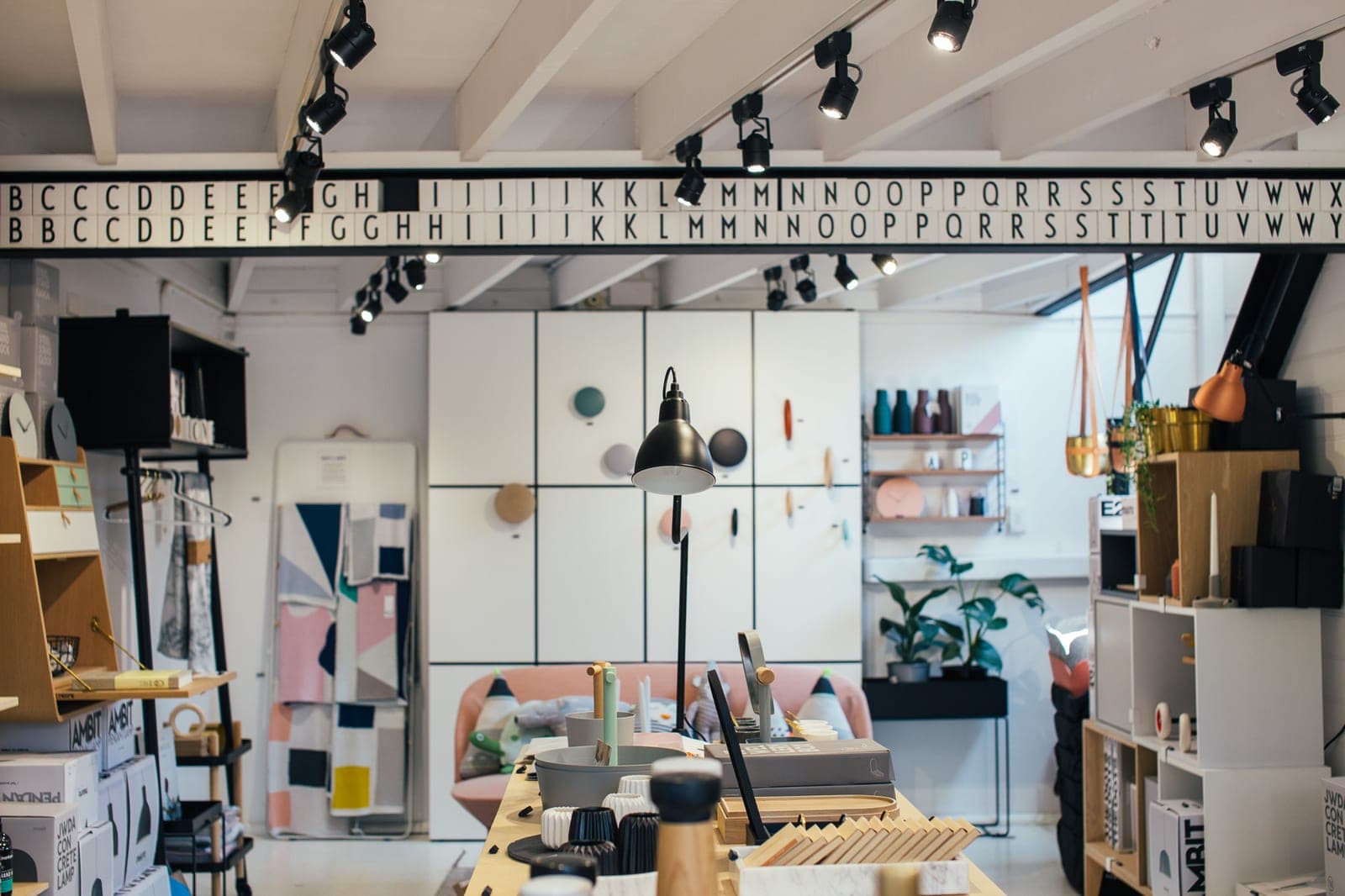
Walk into a HomeGoods and you’re surrounded by textiles, tabletop, kitchen gadgets, candles, wall art, and accent decor, with a modest aisle or two of smaller furniture. It’s a fast, dense treasure hunt. HomeSense keeps all of that but adds serious square footage for furniture — sofas, dining sets, bedroom case goods, and oversized pieces like large mirrors, lighting, and rugs that a typical HomeGoods simply can’t stock.
- Product mix: HomeGoods leans textiles, tabletop, and accents; HomeSense adds full furniture categories.
- Store size: HomeSense stores are noticeably larger, so plan for a longer visit.
- Inventory: both rotate stock constantly — what’s on the floor today may be gone next week.
- Availability: HomeGoods locations are far more common; HomeSense stores are fewer and not in every market yet.
One practical note: because both are off-price, you’re usually buying a single unit at a time. If you need four matching dining chairs or one specific finish, that’s where a steadier retailer helps — see the picks in our best furniture guide.
Prices aside, the fun of both stores is the brand names. Because the stock is overstock and closeouts, you’ll spot recognizable makers on lamps, cookware, bedding, and rugs at a fraction of their original tags. The catch is you can’t plan around it: the exact item you loved last month probably won’t be there today, which is why I treat every visit as its own opportunity rather than a reorder.
Can you shop HomeGoods or HomeSense online?
Mostly no. HomeGoods ran a short-lived online store years ago but discontinued it, and today both HomeGoods and HomeSense are effectively in-store-only experiences. The assortment changes too fast and too locally to sell the way a big e-commerce retailer does, so the current best move is to check the store locator, then go dig.
If online convenience matters more than the thrill of the find, an e-commerce-first retailer is the better tool. Compare your options in our best home decor stores online roundup, or shop the best home decor on Amazon when you want it delivered.
A renovator's take: which store to hit
On job sites I use them differently. When I need to warm up a staged room fast — pillows, throws, vases, a lamp, some art — HomeGoods is my quick stop, because there’s one near almost every project. When a client needs an actual furniture piece on a budget and I have time to hunt, I’ll drive to HomeSense for the bigger selection and the case goods HomeGoods doesn’t carry.
A small trade secret: both stores restock throughout the week, and staff often put fresh finds out in the morning. If you’re hunting something specific, go early and go often rather than expecting one perfect trip to deliver. I keep a running list of what each active project still needs, then swing through whenever I’m nearby — that’s how the good pieces end up in my truck instead of someone else’s.
Two honest cautions from experience. First, inspect everything. Off-price furniture can be a closeout for a reason, so open the drawers, check for wobble, and look for missing hardware before you commit. Second, don’t count on re-buying — if you love it, take it home, because it likely won’t be there next weekend. For a full strategy on furnishing without overspending, see how I decorate on a budget.
Frequently asked questions
Are HomeGoods and HomeSense owned by the same company?
Yes. Both are home-only banners owned by TJX Companies, the same parent behind T.J. Maxx and Marshalls, which is why they share the same off-price model and treasure-hunt feel.
What is the difference between HomeGoods and HomeSense?
Mainly size and furniture. HomeSense stores are larger and carry a full furniture range plus oversized decor, while HomeGoods focuses on textiles, tabletop, and accent pieces. The buying model and pricing approach are the same.
Is HomeSense more expensive than HomeGoods?
Not by design. Both use the same off-price model, so item for item the deals are comparable. HomeSense simply stocks more large and slightly higher-end pieces, so an average cart can run higher — that’s a reflection of what’s on the floor, not a markup.
Can you shop HomeGoods online?
No. HomeGoods discontinued its online store and is now in-store only, as is HomeSense. For online shopping, use an e-commerce-first retailer — see our best home decor stores online guide.
Which has better furniture, HomeGoods or HomeSense?
HomeSense, by a wide margin. It dedicates real floor space to living, dining, and bedroom furniture, while HomeGoods mostly carries accent pieces and small case goods. For a broader furniture strategy, see our best furniture picks.
Keep reading
- HomeGoods vs T.J. MaxxThe apparel-first sibling that still sells home online.Read more
- Best Home GoodsOur top home goods picks you can order online today.Read more
- Best Home Decor Stores OnlineWhere to shop when you'd rather not chase the treasure hunt.Read more
- Best Home Decor on AmazonRead more
- How to Decorate on a BudgetRead more
- Home Goods vs At Home: Which Is Better?Off-price treasure hunt vs big-box superstore: how HomeGoods and At Home really compare.Read more
Ready to make your space feel like home?
Browse the roundups I'd actually hand a client — honest picks, real trade-offs, and the one to buy first.