Skip to content
IMH

Compare

HomeGoods vs Target: Which Is Actually Cheaper?

One gives the biggest discount off a brand's list price. The other gives you a catalog you can plan around. They are not the same advantage.

By Catherine Vizcaino · Home-renovation pro & founder

Updated September 2026

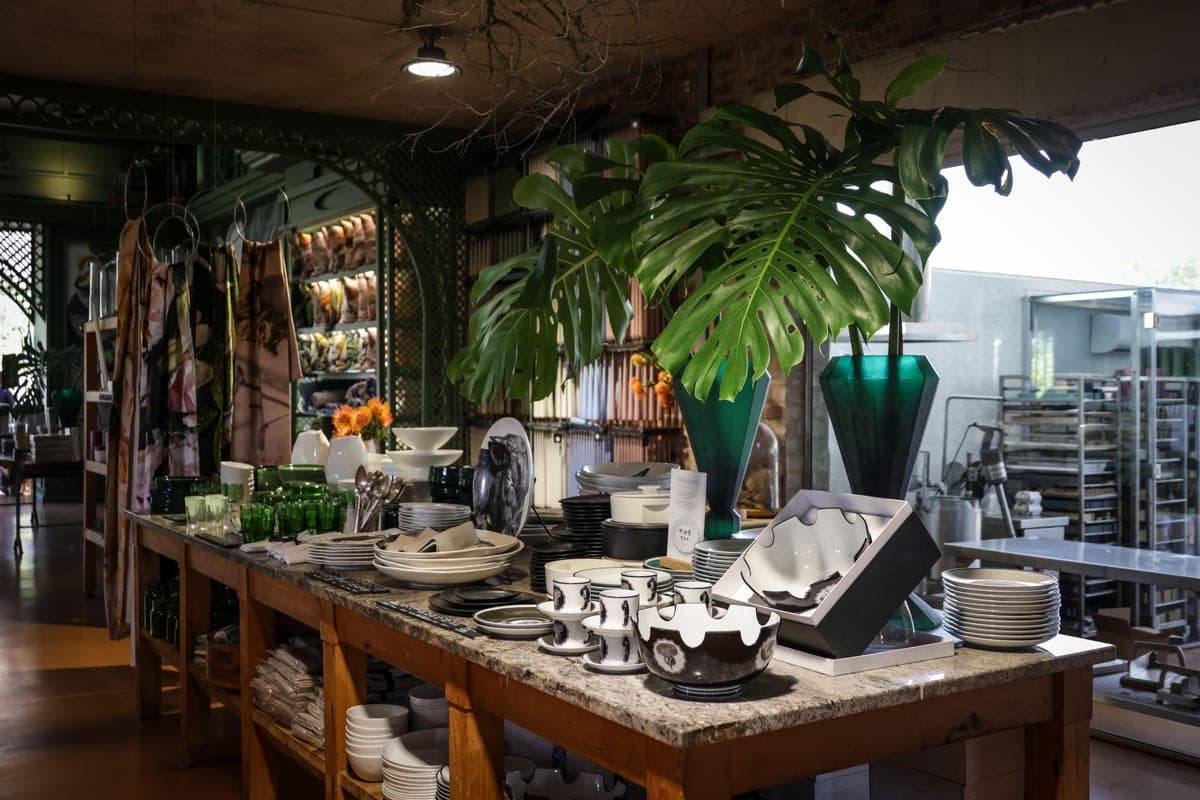
An assortment of home goods and kitchenware

As an Amazon Associate, I Heart My Home earns from qualifying purchases. It never changes your price or our picks. Learn more.

The honest answer is that HomeGoods usually wins on the discount and Target usually wins on the decision — and those are different things worth different amounts depending on what you are buying.

HomeGoods buys brand-name overstock and closeout lots and sells them below the brand’s original list price. When that brand charged a lot to begin with — bedding, bath towels, cookware, decorative lighting — the saving is real and often large. Target designs and sells its own home brands at a set price, publishes it, keeps it in stock, and lets you order it. That reliability is worth money too, just not the kind that shows up on a tag.

Below: which store actually wins in each category, the store counts and return windows that decide most trips, and the one structural difference that settles a lot of arguments — HomeGoods has no online store at all. I renovate and furnish homes for a living, so these are stores I drive to weekly. See our editorial policy for how these calls get made, and the retailer hub for every store compared side by side.
Shop the look

 HomeGoodsTarget
OwnerTJX Companies (NYSE: TJX)Target Corporation (NYSE: TGT)
US store count963 stores2,000+ stores, all 50 states and DC
How it gets cheapDiscounts a brand's original list priceDesigns its own brands to a price point
AssortmentUnrepeatable closeout lots; a few units per itemPlanned catalog you can re-buy and match
Home brandsWhatever brands landed this week45+ owned brands, including its home lines
FurnitureAccent pieces and small case goodsFull range, in store and online
Returns30 days with receipt; store credit after90 days; one year on Target owned brands
Shop online?No — TJX lists no HomeGoods e-commerce siteYes, with pickup, drive-up and delivery

Bottom line: buy brand-name bedding, towels and cookware at HomeGoods, where an off-price discount on a high list price is a genuine saving. Buy anything you need in a specific size, in a matching set, on a date, or that you might return, at Target — the 90-day window, the one-year window on its owned brands, and the ability to actually order the thing are worth more than a lucky tag. If you only shop one, Target is the safer default; if you shop both, use HomeGoods for the hunt and Target for the plan.

Is HomeGoods cheaper than Target? Category by category

Not uniformly, and the pattern is predictable enough to plan around. Off-price discounting is a percentage off someone else’s list price, so HomeGoods wins biggest exactly where list prices are highest and loses where they were already low.

HomeGoods generally wins on:

  • Bedding and duvet covers. Brand-name bedding carries the highest list prices in home, so it takes the biggest absolute markdown. This is the single strongest category at HomeGoods.
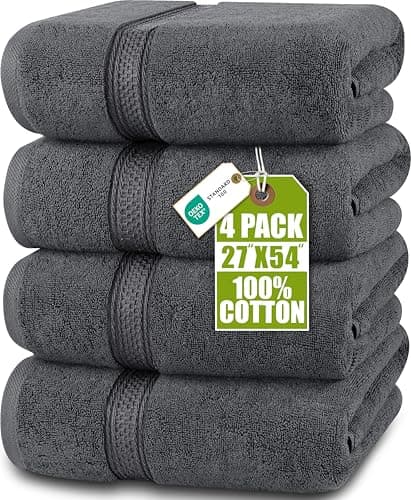
  • Bath towels. Same logic. A premium-brand towel set at off-price beats a mid-tier Target set on feel for similar money.
  • Cookware and small kitchen gadgets. TJX names tabletop and cookware as a HomeGoods category, and branded cookware lists high.
  • Decorative accent objects. Vases, trays, sculptural pieces — more interesting than Target’s at a similar price, when you find the right one.

Target generally wins on:

  • Anything you need two or more of. A matching pair of lamps, four dining chairs, six glasses. Off-price lots arrive as onesies; this is the most common HomeGoods disappointment and it has no fix.
  • Anything in a specific size. An 8x10 rug, a 24-inch mirror, curtains at 96 inches. Target publishes dimensions and keeps stock; HomeGoods has whatever it has.
  • Basics and organization. Storage bins, hangers, shelf liners, plain frames. These already list low, so there is little for an off-price discount to bite into.
  • Furniture. Not close. Target sells a full furniture range in store and online; HomeGoods tops out at accent pieces.
  • Design-led decor at a known price. Target’s 45+ owned brands are the whole reason it competes in decor rather than just in basics.

One honest caveat about comparing prices at all here: HomeGoods does not publish any of them. There is no site to check, no app inventory, no price you can see before you drive. Target publishes everything. That asymmetry means “is HomeGoods cheaper” is unanswerable for a specific item in advance — you can only know the pattern, which is what this section is for.

The online gap, and why it is structural

This is the cleanest difference between the two and the one people are most surprised by. HomeGoods does not sell online. Not a limited assortment, not a beta — nothing. When TJX lists its e-commerce businesses in its fiscal 2026 annual report it names tjmaxx.com, marshalls.com and sierra.com. HomeGoods and Homesense appear nowhere on that list. HomeGoods ran an online store years ago and shut it down.

It is worth understanding why, because it tells you something about what HomeGoods can and cannot ever do for you. Off-price buying means acquiring closeout and overstock lots, which arrive in odd quantities and get allocated across hundreds of stores — frequently a handful of units of a given item per location. There is no national inventory position to publish and nothing stable to list. The absence of a website is a direct consequence of the thing that makes the prices good.

Target is the opposite in every respect: published prices, published dimensions, in-store pickup, drive-up, same-day delivery, and a catalog that is still there next month. What this means practically:

  • You cannot check HomeGoods stock before driving. Budget a wasted trip occasionally. That is the cost of the model.
  • You cannot plan a room around HomeGoods. You can plan a room around Target and then improve it with a HomeGoods find. That order works; the reverse does not.
  • You cannot re-buy from HomeGoods. If you need a third of something, it has to come from a catalog retailer.

Returns: Target wins by a wide margin

The gap here is large enough to change which store you should buy from for anything you are not certain about.

  • Target: most unopened items in new condition can be returned within 90 days. Target owned and exclusive brands get a full year from the purchase date with a receipt. Target Circle Card holders and Circle 360 members get an extra 30 days on nearly everything — though that extension does not stack on top of the owned-brand year.
  • HomeGoods: 30 days with the register receipt for an exchange or refund. Past 30 days it is store credit only. With no receipt you get a non-transferable merchandise credit and must provide a valid government-issued photo ID, name, address and signature. Gift receipts are store credit only, and goods must come back in original condition with hangtags where possible.

A full year versus thirty days, on the category where you are most likely to change your mind, is not a small difference. The practical rule I use: if I am confident, HomeGoods; if the color, the scale or the client’s reaction is uncertain, Target — and I buy a Target owned brand specifically, because that is where the one-year window lives.

Which should you shop for what

  • Bedding, duvet covers, bath towels: HomeGoods. The biggest off-price wins are here.
  • Branded cookware: HomeGoods, if you are flexible on which brand.
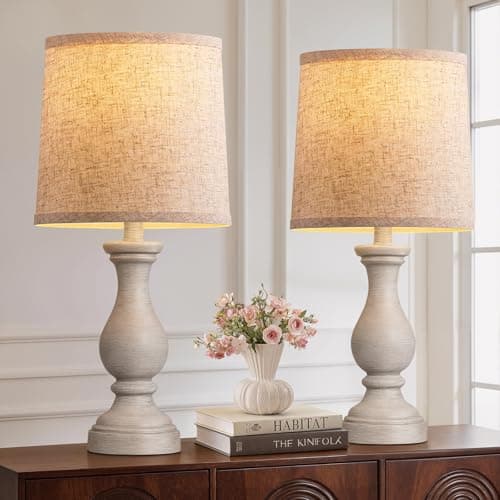
  • A matching pair of lamps or nightstands: Target. HomeGoods cannot promise you two of anything.
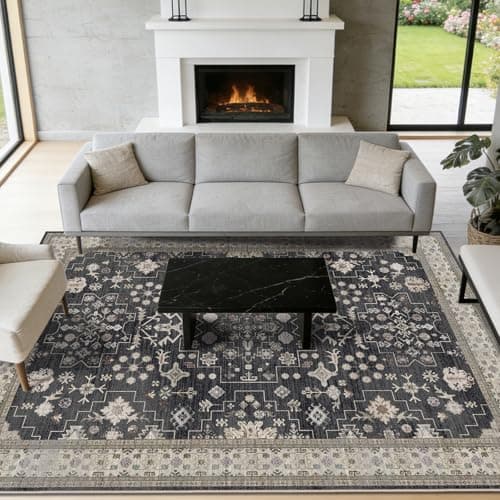
  • A rug in a specific size: Target. Published dimensions and consistent stock.
  • Furniture: Target. Or HomeSense if you want off-price furniture — see HomeGoods vs HomeSense.
  • Storage bins, hangers, basics: Target. Already cheap, so there is nothing for off-price to discount.
  • A single unexpected hero piece: HomeGoods, if you can go more than once.
  • Anything you might return: Target, and ideally a Target owned brand for the one-year window.
  • Anything delivered, or on a deadline: Target. HomeGoods cannot do this at all.

When neither store has it: three picks you can order today

The gap both stores leave is the same one: a specific item, in a known size, in the quantity you need, today. These three cover the categories people most often fail to find at HomeGoods — a matching pair of lamps, a rug in a stated size, and towels you can re-buy. Each card shows the live current price rather than a number I typed once and let go stale.

Sources

Frequently asked questions

Is HomeGoods cheaper than Target?

On brand-name bedding, bath towels and cookware, usually yes — off-price discounting takes the biggest markdown where list prices were highest. On basics, storage, furniture and anything you need in a specific size or quantity, Target is cheaper in practice, because those items already list low and HomeGoods may not have yours at all. Neither store is cheaper across the board, and HomeGoods publishes no prices you can check before driving.

Can you shop HomeGoods online like Target?

No. HomeGoods has no online store at all. When TJX lists its e-commerce businesses it names tjmaxx.com, marshalls.com and sierra.com — no HomeGoods site. That is structural rather than a backlog: off-price lots arrive in small per-store quantities, so there is no national inventory to publish. Target sells its full catalog online with pickup, drive-up and delivery.

Does Target or HomeGoods have the better return policy?

Target, clearly. Target allows 90 days on most items and a full year on Target owned brands with a receipt, plus 30 extra days for Target Circle Card holders. HomeGoods allows 30 days with a register receipt, store credit only after that, and requires a valid government-issued photo ID for any no-receipt return. Buy the uncertain item at Target.

Which has better home decor, HomeGoods or Target?

HomeGoods for one-off character pieces and brand-name textiles; Target for a coherent look you can plan and repeat. Target’s 45+ owned brands give it consistent, design-led decor at a known price, while HomeGoods depends entirely on which closeout lots arrived that week. The way I actually use them: Target for the backbone of a room, HomeGoods for the one piece that makes it look collected rather than catalog-bought.

Is HomeGoods owned by Target?

No. HomeGoods is owned by The TJX Companies, Inc. (NYSE: TJX), which also owns T.J. Maxx, Marshalls, HomeSense and Sierra. Target Corporation (NYSE: TGT) is a separate, unrelated company. For the full ownership map of every major home store, see our retailer hub.

Ready to make your space feel like home?

Browse the roundups I'd actually hand a client — honest picks, real trade-offs, and the one to buy first.