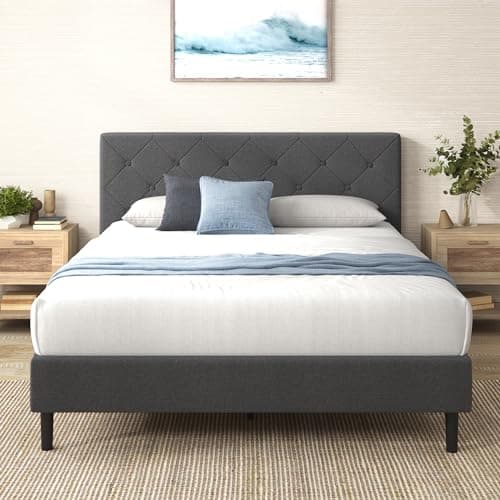
Zinus Shalini Upholstered Platform Bed
Best for the anchor
An upholstered platform bed that anchors the room and skips the box spring.
$209.00 · View on Amazon
#ad · disclosure · Price as of September 19, 2026
Rooms
How I build a calm, warm bedroom from the mattress out - anchor, light, then the soft layers.
By Catherine Vizcaino · Home-renovation pro & founder
Updated August 2026
As an Amazon Associate, I Heart My Home earns from qualifying purchases. It never changes your price or our picks. Learn more.
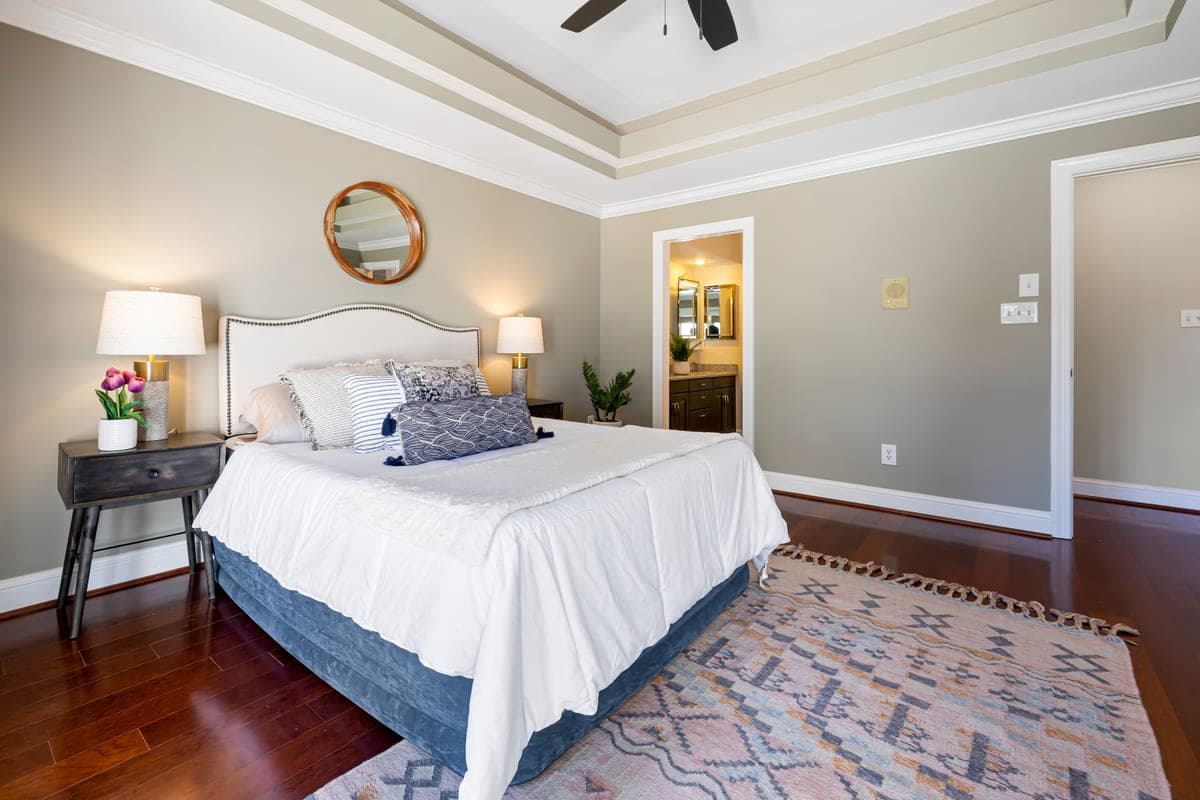
A bedroom has one job the living room doesn’t: it has to help you sleep. That single fact changes how you decorate it. The prettiest bedroom in the world fails if the light’s wrong and the bed’s uncomfortable, so I build these rooms from the mattress outward — anchor first, then the light, then the soft layers that make it feel like a retreat.
The order is the same one I use everywhere: anchor → lighting → soft goods → decor last. In a bedroom the anchor is the bed, the lighting is warm and low, and the soft goods — bedding and curtains — do most of the visible work. Below is the shop-the-look I’d build a calm, warm bedroom around.
As always, prices on Amazon move, so you’ll see a Check price on Amazon button rather than a number I can’t stand behind. Our editorial policy covers how these picks are chosen.
Best for the anchor
An upholstered platform bed that anchors the room and skips the box spring.
#ad · disclosure · Price as of September 19, 2026
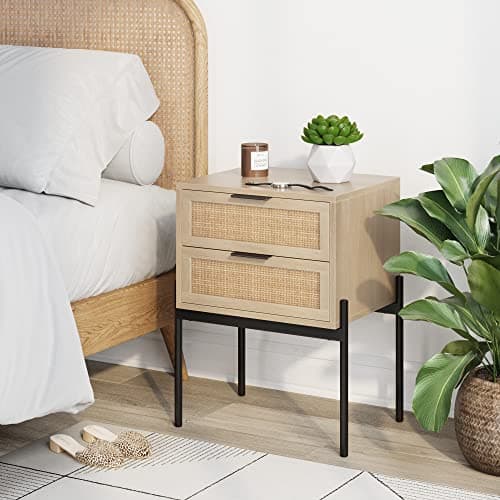
Best for bedside storage
A compact two-tier nightstand with a drawer to hide the bedside clutter.
#ad · disclosure · Price as of September 19, 2026
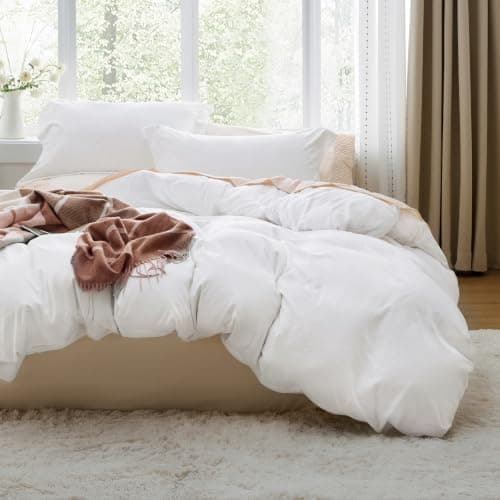
Best for the top layer
A washed, soft-textured duvet set that gives the bed its finished, layered look.
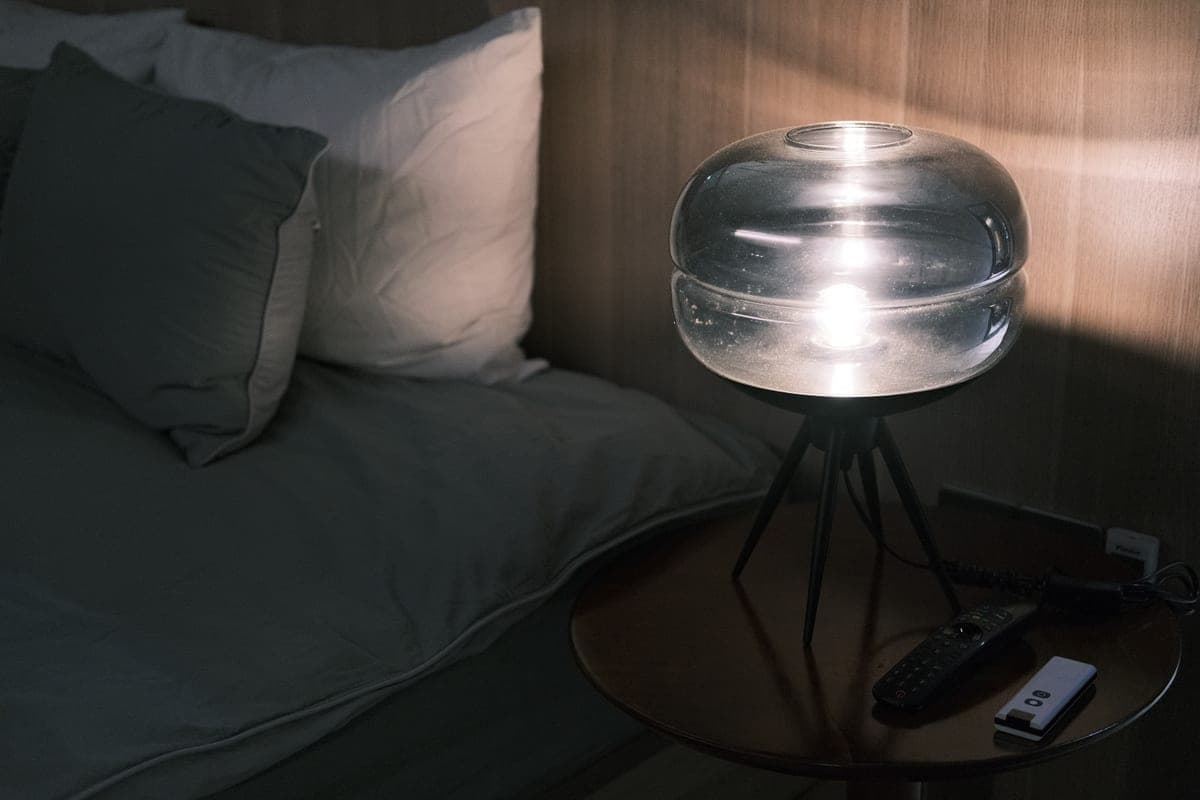
Best for warm reading light
A compact bedside lamp with warm, dimmable light for winding down.
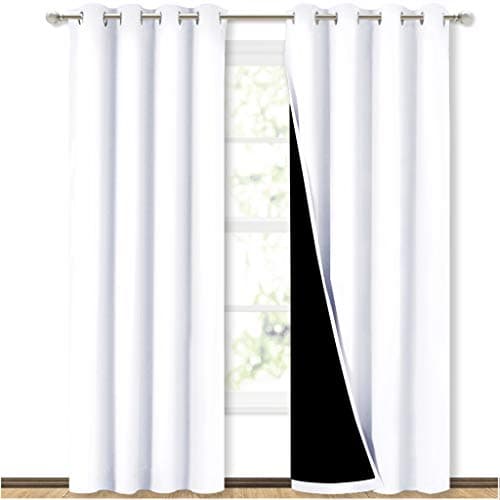
Best for light control and softness
Room-darkening panels that block early light and soften a hard window wall.
In a bedroom, the anchor decision is really two decisions stacked together: the mattress you sleep on and the frame you see. Get the mattress right first — it’s the one piece of this room that affects your health — then choose a frame that fits the room’s scale and sets the palette. An upholstered platform bed is my default because it softens the room and skips the box spring.
Size the bed to the room, not just the sleeper. Walk the space with the frame dimensions in mind: you want at least 24 inches of clearance to walk on the sides you use, plus room for the door and closet to swing. A queen in a small room with breathing space around it feels calmer than a king wedged wall-to-wall.
The environment matters as much as the mattress. The Sleep Foundation is clear that a cool, dark, quiet room is the goal — which is exactly why the lighting and curtains below aren’t afterthoughts here, they’re part of the anchor decision.
The sequence never changes; only what fills each layer does. In a bedroom it looks like this:
Symmetry is your friend in here. Matching nightstands and lamps flanking the bed is the single easiest way to make a bedroom feel intentional and restful. For the bigger anchor pieces — the frame, a dresser — our best furniture guide and furniture brand comparison break down who makes what well.
My rule for a bedroom is blunt: spend on what touches you while you sleep, save on what you only look at. That means the mattress and the sheets get the real budget, and the frame, the nightstands, and the decor can all be affordable without anyone knowing. A good duvet cover over an inexpensive insert looks just as rich as a pricey comforter.
Where the money genuinely shows: bedding and curtains, because they’re soft goods you touch and they set the whole mood. Where it doesn’t: the frame, as long as it’s sturdy. If you’re furnishing on a tight number, the decorate-on-a-budget guide and our affordable decor picks are built for exactly this.
If you want the room to feel collected rather than new, lean into a warm, lived-in look — a vintage style layered over modern basics is a forgiving, personal direction for a bedroom.
Aim to have the top of the nightstand within a couple of inches of the top of your mattress. Thick mattresses and toppers have made beds taller, so measure your mattress height from the floor before buying rather than trusting a listed size.
Yes, for most people. A darker room supports the body’s natural sleep signals, which is why sleep experts recommend minimizing light. Blackout panels also block early summer sunrises and streetlight. For full darkness, hang panels wider than the window so light doesn’t leak around the edges.
Combined, your curtain panels should be about two to two-and-a-half times the width of the window so they look full instead of stretched flat. Mount the rod 6 to 10 inches beyond the frame on each side so the panels stack off the glass and the window looks larger. The Spruce has a helpful reference on curtain length and fullness.
For most modern mattresses, yes. A platform bed’s slat base supports the mattress directly, so you skip the cost and bulk of a box spring. Check that the slats are spaced closely, roughly 3 inches apart or less, and that the frame has a center support leg, especially on queen and larger sizes.
Thread count is oversold. Once you’re in the 200 to 400 range for cotton, weave and fiber quality matter far more than a bigger number. Look for percale for a crisp, cool feel or sateen for a silky one, and trust brands whose sheets hold up after many washes. Our bedding picks break down percale vs sateen and why the biggest numbers show up on microfiber; Good Housekeeping’s textile testing is a solid sanity check.
Browse the roundups I'd actually hand a client — honest picks, real trade-offs, and the one to buy first.