Skip to content
IMy Home

Best Picks

The Best Furniture Polish for Wood

What I actually use to keep wood looking rich - without the greasy buildup.

By Catherine Vizcaino · Home-renovation pro & founder

Updated August 2026

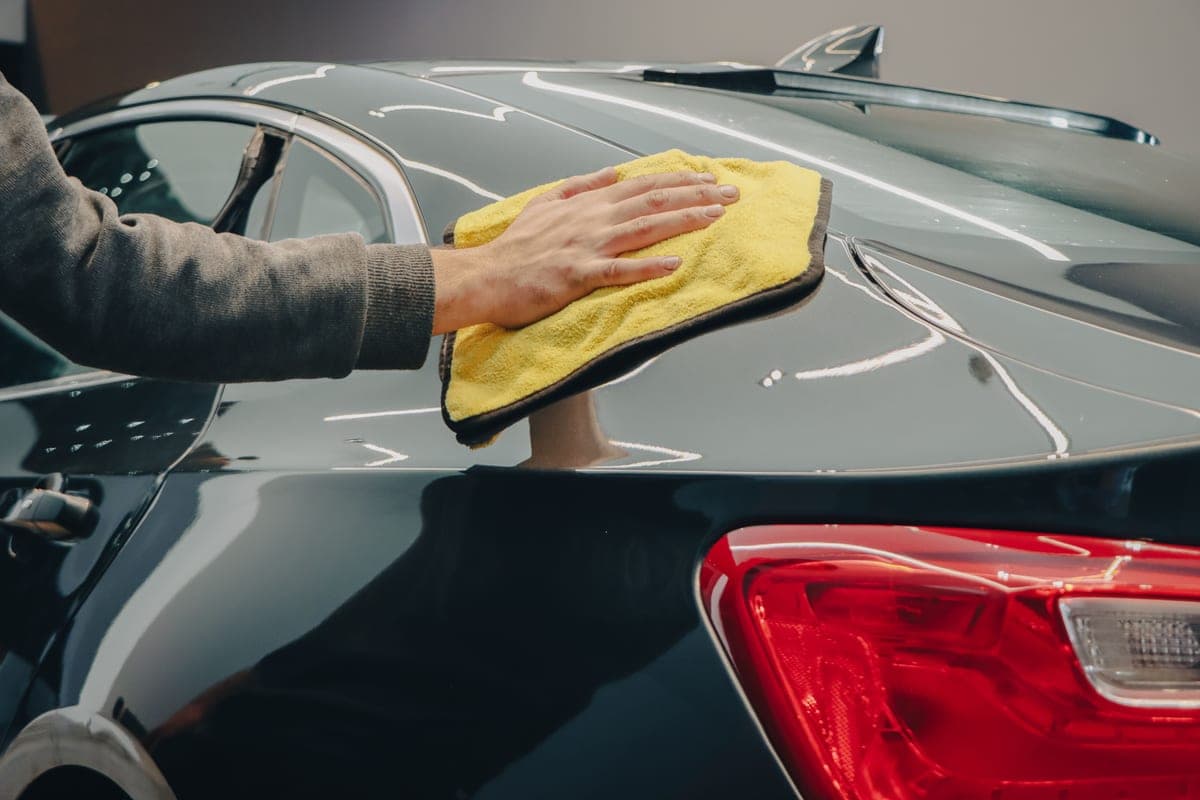
Polishing a wood furniture surface with a cloth

As an Amazon Associate, I Heart My Home earns from qualifying purchases. It never changes your price or our picks. Learn more.

Furniture polish is one of those products people overthink and underuse. The wrong one leaves a greasy film that attracts dust and, over years, hazes a finish. The right one cleans, feeds the wood a little, and disappears. After years of maintaining everything from job-site cabinetry to client antiques, these are the polishes I keep on the truck.

A quick honesty note: prices on Amazon move constantly, so you’ll see a Check price on Amazon button rather than a number I can’t promise. Read our editorial policy for how these picks are chosen.

Quick picks at a glance

#ProductBest forPrice
1
Polishing a wood furniture surface with a cloth
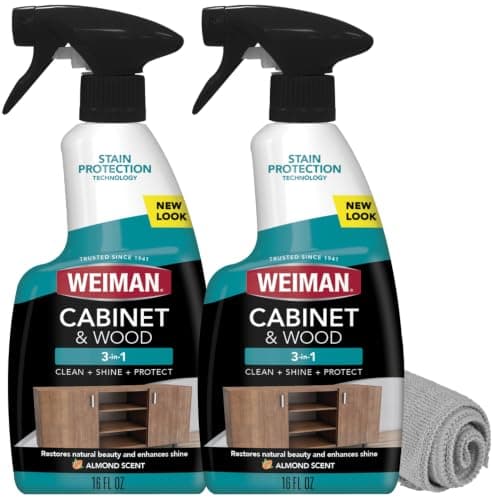
Weiman Furniture Polish & Cleaner

The reliable, widely available pick for routine dusting and shine.

everyday wood care
2
Polishing a wood furniture surface with a cloth
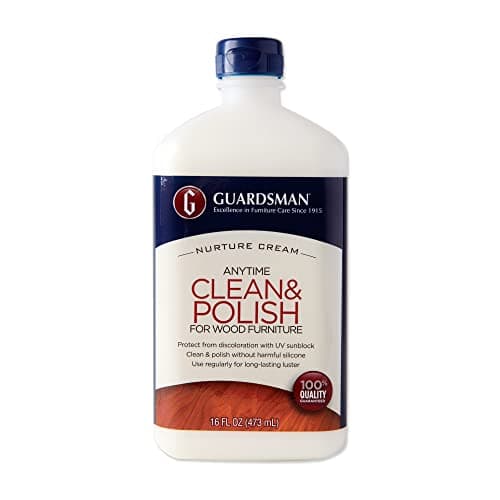
Guardsman Anytime Clean & Polish

A silicone-free everyday polish that cleans and shines without the buildup risk.

silicone-free everyday shine
3
Polishing a wood furniture surface with a cloth
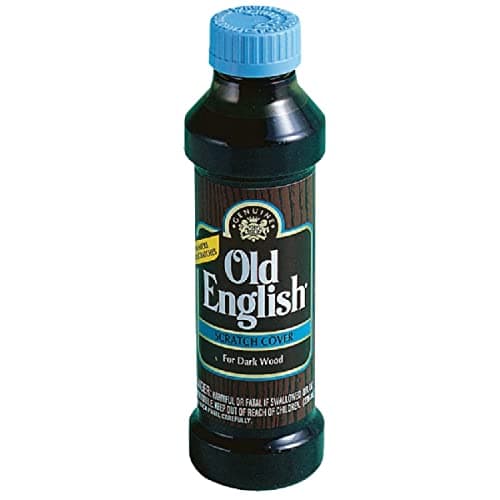
Old English Scratch Cover for Dark Wood

A tinted polish that masks scratches and evens out tired dark-wood finishes.

hiding scratches on dark wood
4
Polishing a wood furniture surface with a cloth
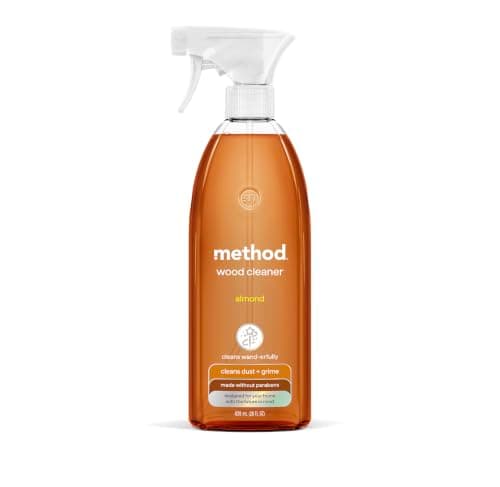
Method Wood for Good Daily Clean

A plant-based, good-smelling daily cleaner for people who want fewer harsh chemicals.

plant-based daily cleaning
5
Applying wax to a wood furniture finish
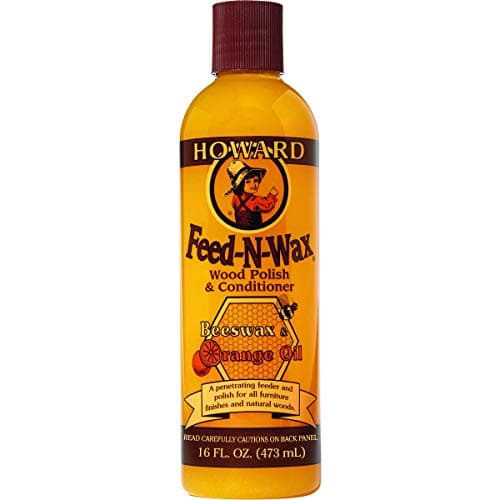
Howard Feed-N-Wax Wood Polish & Conditioner

A beeswax-and-oil conditioner that feeds thirsty, oiled, and antique wood.

conditioning oiled and antique wood
6
Polishing a wood furniture surface with a cloth
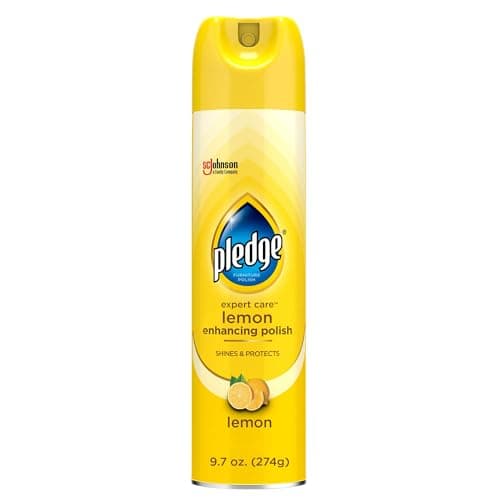
Pledge Lemon Enhancing Polish

The classic grab-and-go spray for fast dusting and an instant, familiar shine.

quick dusting and shine

Tap any row to jump to the full write-up. Prices open on Amazon in a new tab.

How we chose these picks

Every pick here is chosen the way I’d choose it for a client’s home: real-world durability first, build quality and materials second, and value for the money third. Where I’ve installed or lived with a product on a job, I say so and tell you what I saw. Where a pick is based on research and verified buyer feedback rather than hands-on use, I say that too — I never claim to have tested something I haven’t.

Read our full editorial policy for how we evaluate and update these guides.

1

Weiman Furniture Polish & Cleaner

Weiman · Best for everyday wood care
Polishing a wood furniture surface with a cloth

The reliable, widely available pick for routine dusting and shine.

For sealed, everyday furniture it does exactly what most people want: it lifts dust and fingerprints and leaves an even, non-greasy shine. It's the one I hand clients who just want a simple weekly wipe-down.

Pros

  • Cleans and shines in one step
  • Widely available and inexpensive
  • UV protection helps guard against fading

Cons

  • Contains silicone - skip on raw or oiled wood
  • Scent is noticeable
2

Guardsman Anytime Clean & Polish

Guardsman · Best for silicone-free everyday shine

Polishing a wood furniture surface with a cloth

A silicone-free everyday polish that cleans and shines without the buildup risk.

If the silicone in most grocery-store polishes worries you, Guardsman is the easy upgrade. It cleans well and leaves a natural, low-glare finish that won't complicate refinishing down the road - the reason furniture makers often recommend it.

Pros

  • Silicone-free, so it won't haze a finish
  • Removes dust, smudges, and light grime
  • Safe on most sealed wood finishes
  • Light, not-too-perfumed scent

Cons

  • Shine is subtler than silicone sprays
  • Still not for raw or oiled wood
  • Needs more frequent reapplication
3

Old English Scratch Cover for Dark Wood

Old English · Best for hiding scratches on dark wood

Polishing a wood furniture surface with a cloth

A tinted polish that masks scratches and evens out tired dark-wood finishes.

For an older dark dresser covered in fine scratches, Old English is the cheapest fast win there is. It doesn't repair anything, but it hides a surprising amount and buys a tired piece a few more good years.

Pros

  • Disguises light scratches and worn edges
  • Deepens color on dark and red-toned wood
  • Cheap and widely available
  • Great for a quick refresh before guests

Cons

  • Tint can transfer - buff it and let it dry
  • A cosmetic fix, not a real repair
  • Only for dark finishes, not light wood
4

Method Wood for Good Daily Clean

Method · Best for plant-based daily cleaning

Polishing a wood furniture surface with a cloth

A plant-based, good-smelling daily cleaner for people who want fewer harsh chemicals.

Method is the pick for a household that wants to cut back on harsh cleaners without giving up an easy weekly wipe-down. It smells great, cleans sealed wood gently, and skips the silicone.

Pros

  • Plant-based, biodegradable formula
  • Pleasant almond scent, not chemical
  • Cleans everyday dust and smudges well
  • No silicone or harsh solvents

Cons

  • More of a cleaner than a deep conditioner
  • Light shine, not high gloss
  • Meant for sealed wood only
5

Howard Feed-N-Wax Wood Polish & Conditioner

Howard · Best for conditioning oiled and antique wood

Applying wax to a wood furniture finish

A beeswax-and-oil conditioner that feeds thirsty, oiled, and antique wood.

This is the one for wood that's genuinely dry - oiled tabletops, butcher block, and antiques that have lost their luster. It's a conditioner rather than a polish, and on the right piece the before-and-after is dramatic.

Pros

  • Feeds dry wood with beeswax and oils
  • Deepens grain and revives dull finishes
  • Ideal for oiled, waxed, and antique pieces
  • A little goes a long way

Cons

  • Not a cleaner - dust first
  • Needs buffing and occasional reapplication
  • Can feel tacky if you use too much
6

Pledge Lemon Enhancing Polish

Pledge · Best for quick dusting and shine

Polishing a wood furniture surface with a cloth

The classic grab-and-go spray for fast dusting and an instant, familiar shine.

Pledge is the polish almost everyone grew up with, and for fast, sealed-surface dusting it still works. Just know what it is: a quick cosmetic shine, not a wood treatment, and not something to spray on heirlooms.

Pros

  • Fast, easy, and everywhere
  • Instant shine and pleasant scent
  • Cheap and a can lasts a long time
  • Good for a quick pre-guest dusting

Cons

  • Silicone-based - buildup over time
  • Not for antiques or oiled wood
  • Can leave residue if overapplied

How to choose a furniture polish

Match the polish to the finish. Sealed, modern furniture is forgiving and takes almost anything; older, oiled, or waxed wood is picky and punishes the wrong product. When in doubt, less is more — a light touch of the right polish beats a heavy dose of the wrong one.

  • Sealed / factory finish: almost anything works. Weiman, Pledge, Method, and Guardsman all keep it clean and shining.
  • Antiques or oiled wood: use a wax or oil conditioner like Howard Feed-N-Wax, not a silicone spray.
  • Scratched dark wood: a tinted scratch cover like Old English hides the damage in minutes.
  • Want zero buildup: choose a silicone-free formula so you never complicate a future refinish.

Refinishing instead of maintaining? See our furniture paint guide and our DIY decor ideas.

Polish vs wax vs oil: what's the difference?

These three get lumped together, but they do different jobs. Polish is mostly about cleaning and shine — it lifts dust and fingerprints and leaves a temporary luster. Wax sits on top of the finish as a thin protective layer you buff to a soft glow; it lasts longer but needs occasional reapplication. Oil (or an oil-and-wax conditioner) actually soaks into thirsty, unsealed, or oiled wood and feeds it.

Most everyday sealed furniture only needs a polish. Save the wax and oil for pieces that are dried out, oiled from the factory, or genuinely old. And if the finish is beyond help, it may be time to refinish the piece rather than feed it — a common project for the kind of solid-wood dressers you’ll find from the labels in our furniture brands guide.

How to polish wood furniture the right way

The technique matters as much as the product. Dust first with a dry or barely damp microfiber cloth — polishing over grit just drags it across the finish. Then spray the polish onto the cloth, not the furniture, so you control the amount and avoid overspray on floors and upholstery.

Work with the grain in long, even strokes, then flip to a dry side of the cloth and buff off the haze. Less product, more buffing — that’s the whole secret to a shine that looks rich instead of greasy. On oiled or waxed pieces, give conditioners time to soak in before you buff.

The silicone question

Silicone gets a bad reputation, and it’s half deserved. On sealed, everyday furniture, silicone-based sprays are harmless and give that instant shine people love. The problem is buildup over years and, more importantly, what it does to a future refinish — silicone can cause fish-eye and adhesion problems when you try to re-stain or repaint a piece.

So the rule I follow: silicone is fine on furniture you’ll never refinish, and off-limits on antiques and anything you might someday strip and redo. When in doubt, a silicone-free polish like Guardsman keeps your options open. Woodworking authorities like Fine Woodworking cover the finishing chemistry in depth if you want to go deeper.

Frequently asked questions

Is furniture polish bad for wood?

Not inherently — but silicone-based sprays can build up and complicate future refinishing, especially on antiques. On sealed, everyday furniture, polish is perfectly fine. For oiled or antique wood, reach for a wax or oil conditioner instead.

What's the best polish for dark wood?

For dark wood with scratches, a tinted scratch cover like Old English for Dark Wood hides the damage and deepens the color in minutes. For general upkeep on sealed dark wood, any quality polish works — just apply lightly and buff well.

Can I use furniture polish on antiques?

Avoid silicone sprays on antiques. Use a paste wax or an oil-and-wax conditioner like Howard Feed-N-Wax, which feeds old wood without leaving a film that complicates restoration. When a piece is genuinely valuable, ask a restorer before you treat it.

How often should I polish wood furniture?

Dust weekly, but you only need to polish every one to three months for most sealed furniture — over-polishing just causes buildup. Oiled and antique pieces get conditioned even less often, only when the wood actually looks dry.

Does furniture polish remove scratches?

Polish doesn’t repair scratches, but tinted scratch-cover polishes fill and disguise light ones so they nearly disappear. Deep gouges need a wax fill stick or a proper repair. For a fast cosmetic fix on dark wood, a scratch cover is the easiest option.

Ready to make your space feel like home?

Browse the roundups I'd actually hand a client — honest picks, real trade-offs, and the one to buy first.