Guides
Home Decor vs Interior Design: What's the Difference?
When you actually need a designer, when decorating is enough, and what each really costs.
By Catherine Vizcaino · Home-renovation pro & founder
Updated August 2026
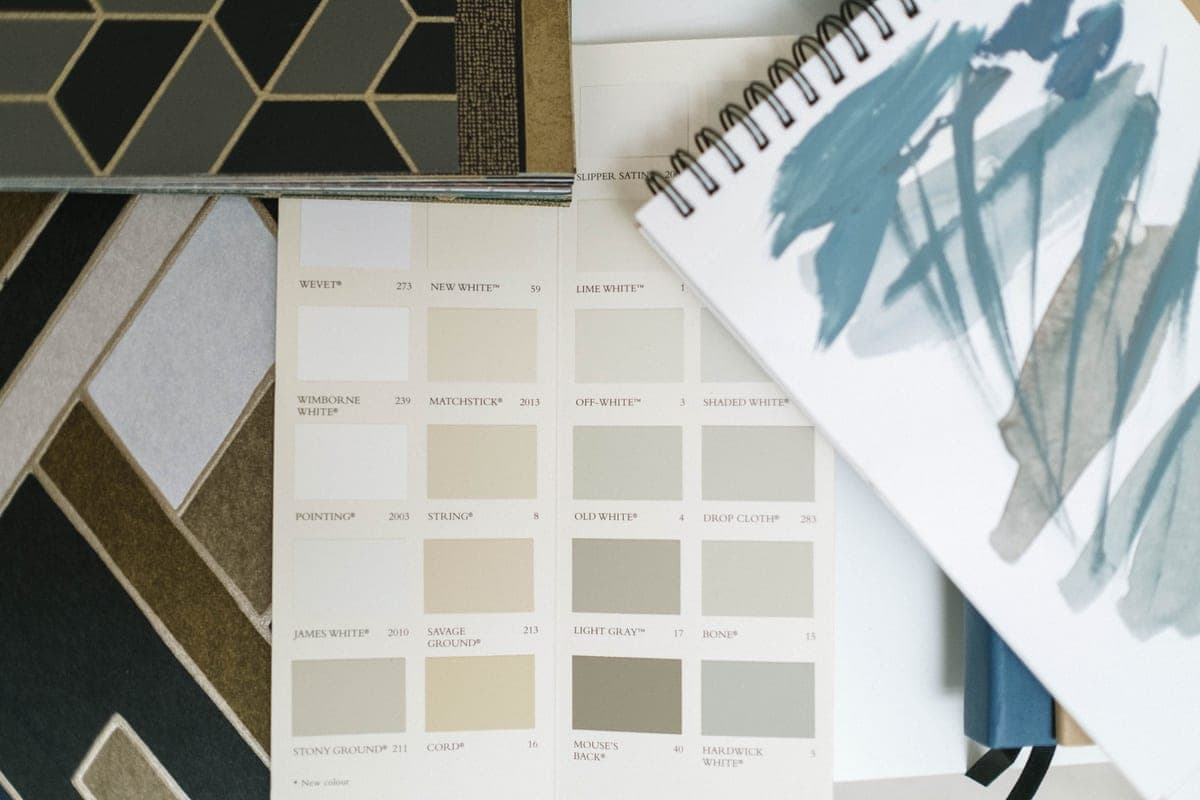
Home decor is the styling layer — the paint, furniture, rugs, art, and accessories that give a finished room its look and feel. Interior design is the bigger discipline: space planning, structural and lighting decisions, and the technical work that shapes how a space functions before a single accessory goes in. Most homeowners need decor, not design.
People use these terms interchangeably, and it costs them money. Hire a designer for a project that only needed a decorator and you’ll overpay; try to decorate your way out of a room with a bad layout and you’ll spend twice and still feel like something’s off. As someone who renovates homes for a living, I sit right where these two worlds meet, so let me draw the line clearly.
Below, I’ll define each one honestly, tell you exactly when a designer is worth it, and cover how the costs actually work. If you already know you just need the styling layer, jump ahead to real home decor ideas and shop-ready picks.
What home decor actually means
Decor is everything you can add to a room without a contractor: furniture, rugs, curtains, lighting fixtures you can swap yourself, wall art, mirrors, plants, textiles, and the small objects that make a space feel like yours. A home decorator (or a confident homeowner) works with the room as it already exists — same walls, same layout, same footprint — and makes it look and feel better.
This is the layer that has the most visible impact for the least money and risk. You can do almost all of it yourself, change your mind, and swap pieces over time. It’s also where the affordable-versus-expensive gap is smallest: a well-chosen budget rug and lamp can look every bit as good as the designer version. That’s the whole premise of our best home decor on Amazon picks — the styling layer, sourced smart.
What interior design actually means
Interior design is a broader, more technical profession. Designers handle space planning and traffic flow, lighting design, material and finish selections, and often work alongside architects and contractors on the parts of a project that involve building, not just buying. Many have formal education and professional credentials; you can read what the role covers from the American Society of Interior Designers and the certification body CIDQ.
The simplest way I explain it on a job site: a decorator makes the room look good; a designer decides what the room is — where the walls, windows, lighting, and function land before anyone thinks about throw pillows. Interior designers also frequently manage the whole project: budgets, trades, procurement, and timelines. That coordination is a big part of what you’re paying for.
When you need a designer (and when you don't)
Here’s the honest test I give clients. If your problem is how a room looks, you need decor. If your problem is how a room works, you may need design.
You probably just need to decorate when:
- The layout works; the room just feels unfinished, cold, or dated.
- You want new furniture, rugs, art, lighting, and color.
- Nothing structural is moving — no walls, plumbing, or electrical.
- You’re furnishing a room from scratch but the space itself is fine.
Consider a designer when:
- You’re renovating — moving walls, redoing a kitchen or bath, changing the footprint.
- The layout genuinely doesn’t function and you can’t figure out why.
- It’s a large, high-budget project where a costly mistake is on the table.
- You need someone to manage trades, timelines, and technical specs.
Plenty of projects live in the middle, and that’s fine. You can hire a designer for a few paid consultation hours to solve a layout or lighting problem, then execute the decorating yourself. It’s the best-value option most people never consider.
What each one costs
Decorating costs whatever you spend on the pieces — nothing more if you do it yourself. That’s the appeal: your entire budget goes into things you keep. You control the number completely, from a $200 refresh to a full-room outfit.
Interior design adds a professional fee on top of the furnishings, and it can be structured a few different ways:
- Hourly: common for consultations and smaller scopes.
- Flat project fee: a set price for a defined scope.
- Percentage of the project cost: the fee scales with the overall budget on larger renovations.
- Cost-plus: the designer buys furnishings at trade pricing and adds a markup.
Fees vary widely by market, experience, and scope, so I won’t quote you a number I can’t stand behind — ask any designer for their fee structure up front and get it in writing. For a sense of the profession and regional context, the U.S. Bureau of Labor Statistics interior designers outlook is a solid, unbiased reference. The takeaway: design fees are an investment that makes sense on complex, high-stakes projects and rarely pencils out for a room that only needed styling.
How to get a designer look on a decorator budget
The secret most designers won’t say out loud: a huge share of the “designed” look is decorating fundamentals anyone can apply. You don’t need to move a wall to get 80% of the result.
- Commit to a palette. Three or four colors used consistently is what makes a room read as intentional.
- Get the proportions right. A rug that’s too small is the single most common mistake; size it to fit under the furniture.
- Layer your lighting. Overhead plus lamps at different heights beats one ceiling fixture every time.
- Find your style first. Browse home decor styles to name what you like, then shop to that instead of buying random pieces.
Do those four things and pull the actual pieces from a vetted list, and most rooms won’t need a designer at all. Start with home decor ideas for the look and the best home decor on Amazon for the shopping.
Frequently asked questions
Is a home decorator the same as an interior designer?
No. A decorator focuses on the styling layer — furniture, color, textiles, art, and accessories — within a room’s existing structure. An interior designer handles the technical side too: space planning, lighting, material selections, and often structural renovation work. Design is the broader, more credentialed discipline; decor is the layer most homeowners actually need.
Do I need an interior designer to decorate my house?
Usually not. If the layout works and you just want the room to look and feel finished, decorating yourself (or with a decorator) is plenty. Bring in a designer when you’re renovating, moving walls, or the space genuinely doesn’t function and you can’t work out why. Many people split the difference: a few paid consult hours for the hard problem, then DIY the styling.
Which is cheaper, hiring a decorator or a designer?
Decorating is almost always cheaper, because you can do most of it yourself and your whole budget goes into pieces you keep. Interior design adds a professional fee on top of the furnishings — billed hourly, as a flat project fee, as a percentage of the project cost, or cost-plus. That fee earns its keep on complex renovations and rarely on a room that only needed styling.
Can I hire a designer for just one room or one problem?
Yes, and it’s underrated. Many designers offer hourly consultations or single-room packages, which is the best-value way to solve one specific problem — a stubborn layout, a lighting plan, the right paint color — while you handle the actual decorating. You get professional judgment exactly where you need it without paying for a full-service engagement.
What renovation work counts as design rather than decor?
Anything structural or technical: moving or removing walls, kitchen and bath layouts, plumbing and electrical changes, built-ins, and lighting design. The rule of thumb is simple — if a contractor is involved and the footprint or function of the space is changing, you’re in design territory. If you’re only adding things you could pick up and move yourself, that’s decorating.
Keep reading
- Best Home Decor on AmazonThe styling layer, sourced smart - our top picks.Read more
- Home Decor IdeasGet the designed look without the designer invoice.Read more
- How to Decorate on a BudgetA room-by-room plan that spends where it counts.Read more
- Small Space Solutions That Actually Make a Room Feel BiggerThe space-saving furniture and pro tricks that make small rooms and apartments feel far bigger.Read more
- The Home Lighting Guide: How to Layer Light Like a ProHow to layer ambient, task, and accent light so any room reads warm, finished, and expensive.Read more
- How to Arrange Living Room Furniture (Step by Step)A step-by-step plan for arranging living room furniture so the space flows and feels intentional.Read more
Ready to make your space feel like home?
Browse the roundups I'd actually hand a client — honest picks, real trade-offs, and the one to buy first.