Skip to content
IMH

Best Picks

The Best Home Decor Books and Magazines, Judged on What They Teach

Ten books that change how you decorate, two magazines worth paying for, and the thirty-second product-details check that tells you which listings are books at all.

By Catherine Vizcaino · Home-renovation pro & founder

Updated November 2026

A styled bookshelf of hardback decorating books beside ceramics and a small lamp

As an Amazon Associate, I Heart My Home earns from qualifying purchases. It never changes your price or our picks. Learn more.

I buy decorating books for the same reason I buy tools: to stop guessing. I renovate homes for a living, and the books that have earned their shelf space are not the ones with the most beautiful photography. They are the ones that hand me a number or a sequence — how high to hang the art, what size rug a sofa actually needs, what to buy first when the budget only covers three things.

So every pick on this page was judged on four questions, in this order:

  • Does it teach a method you can repeat in a room it has never seen, or does it only show you finished rooms you cannot afford?
  • Is it specific enough to act on tomorrow? Measured heights, clearances, palette formulas and buying orders beat adjectives.
  • Does it survive a real budget? A book that assumes custom millwork and a trade account is entertainment, not instruction.
  • Is it actually a book? This sounds absurd. It is the single most important filter in this category in 2026, and I explain why below.

That last test is not a joke. When I pulled the live Amazon catalog for this update, the results for home decor books mixed three genuinely different products: real titles from real publishers, print-on-demand “trend magazines” with no publisher behind them, and hollow faux books sold as shelf props — all three filed under Books. Every one of the twelve picks below was confirmed in stock and purchasable before it went on this page, and each one has an author, a page count, a publisher and a publication date, which is exactly what the other two categories lack. If you want the other half of this subject — what to do with the books once you own them — our guide to styling a bookshelf covers that, and our editorial policy explains how picks get made here.

Quick picks at a glance

#ProductBest forPrice
1
An interior design mood board with swatches and samples
The Interior Design Handbook: Furnish, Decorate, and Style Your Space

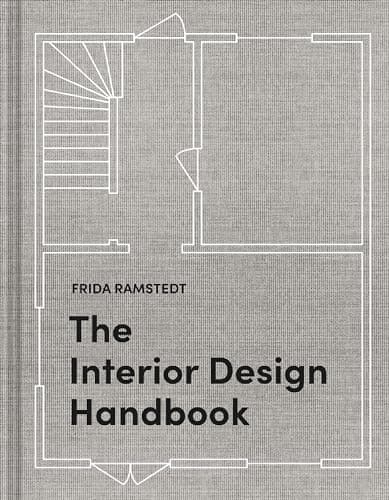
Frida Ramstedt's 240-page illustrated handbook is the closest thing this category has to a rulebook - proportions, measurements and placement, drawn as diagrams rather than described in adjectives.

the actual numbers: heights, clearances and rug sizes
2
A decorated, cozy living room with a sofa
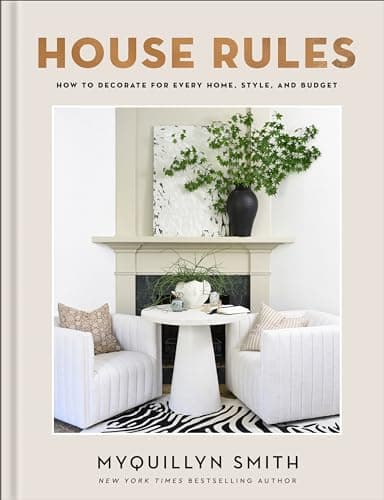
House Rules: How to Decorate for Every Home, Style, and Budget

Myquillyn Smith's 2024 hardback is a decision framework rather than a lookbook: a repeatable sequence for working out what a room needs before you spend anything on it.

deciding what to buy, and in what order
3
A vintage-styled room with antique furniture and warm accents
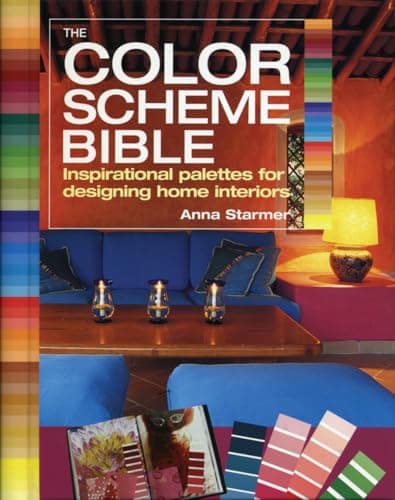
The Color Scheme Bible: Inspirational Palettes for Designing Home Interiors

Anna Starmer's 256-page paperback is a palette catalog you flip rather than a theory course you study - the fastest way to turn a color you like into a scheme that works.

choosing a palette without hiring anyone
4
A cozy reading corner with a chair, lamp, and plants
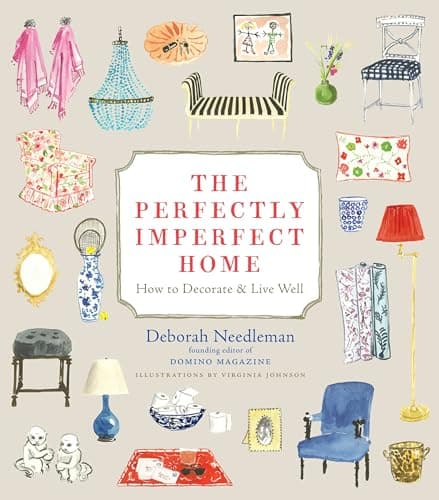
The Perfectly Imperfect Home: How to Decorate and Live Well

Deborah Needleman's 256-page hardback, illustrated in watercolor by Virginia Johnson, is a checklist of the small comfortable things that separate a decorated room from a staged one.

making a finished room feel lived in
5
A warm, well-organized home office
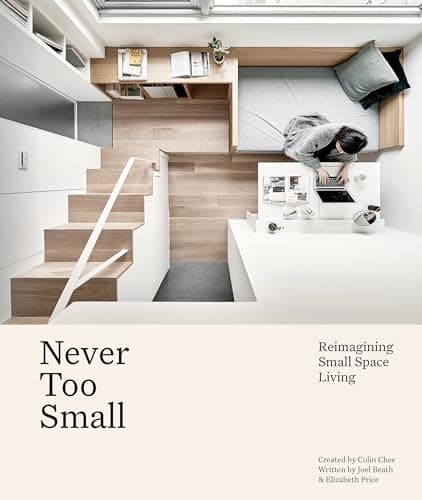
Never Too Small: Reimagining Small Space Living

Joel Beath and Elizabeth Price's 296-page hardback documents small apartments with floor plans beside the photographs, which is what makes it useful rather than merely impressive.

small rooms and genuinely awkward layouts
6
A styled shelf with vases, books, and ceramics
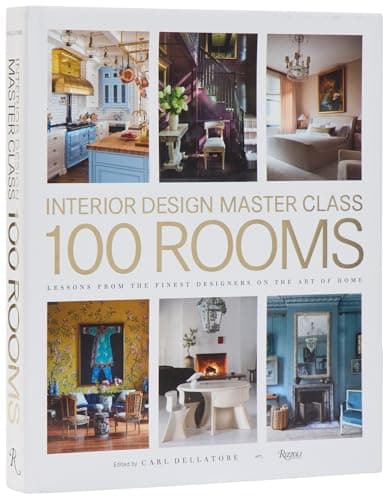
Interior Design Master Class: 100 Rooms: Lessons from the Finest Designers on the Art of Home

Carl Dellatore's 320-page Rizzoli hardback, published September 2025, puts a hundred rooms beside the designers' own explanations of the decisions inside them.

learning to read a room the way a designer does
7
An entryway console table with decor and a mirror
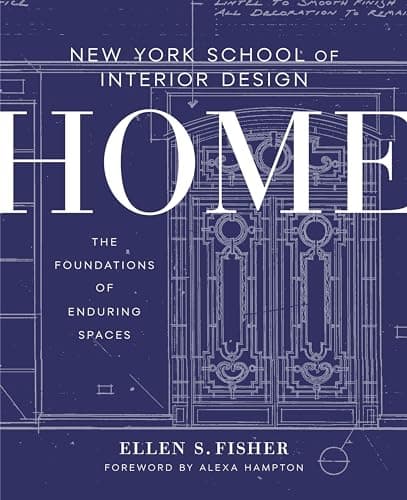
New York School of Interior Design: Home: The Foundations of Enduring Spaces

Ellen S. Fisher and Jen Renzi's 464-page hardback, with a foreword by Alexa Hampton, is a design-school foundations course bound as a book - the deepest reference here by a wide margin.

the most reference per dollar on this page
8
A rustic room with natural wood and warm textures
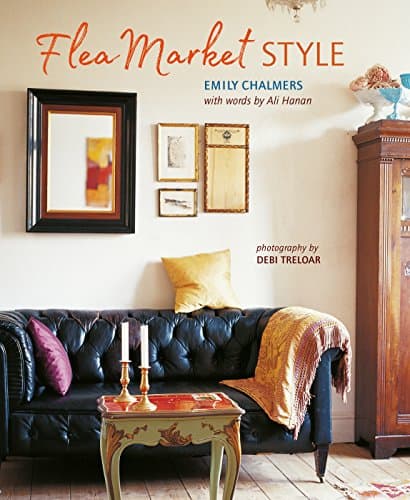
Flea Market Style

Emily Chalmers and Ali Hanan's 144-page hardback is about the hardest part of buying secondhand: deciding what a piece could become before you carry it home.

decorating well out of secondhand finds
9
A modern farmhouse interior in cozy neutrals
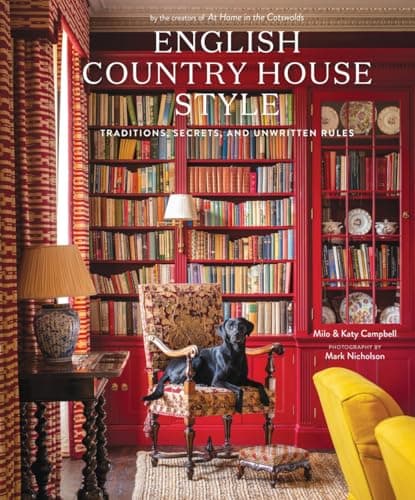
English Country House Style: Traditions, Secrets, and Unwritten Rules

Milo and Katy Campbell's 240-page Abrams hardback, illustrated by Mark Nicholson, sets out the conventions behind a look most books only photograph - the unwritten rules in the subtitle are the actual content.

one aesthetic, taught properly rather than photographed
10
A renovation workshop with tools and a workbench
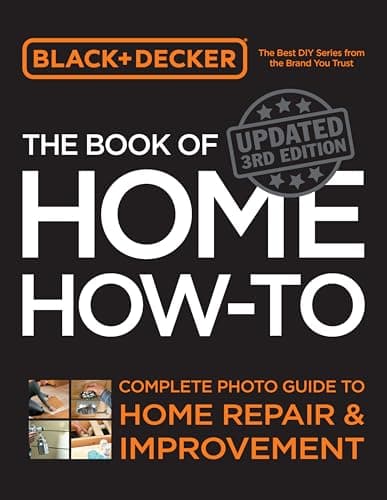
Black & Decker The Book of Home How-to, Updated 3rd Edition

536 pages of step-by-step home repair from the Editors of Cool Springs Press, updated to a third edition in May 2025 - the book that covers everything the decorating books quietly skip.

the repairs every decor book assumes you can already do
11
A styled wood coffee table in a living room
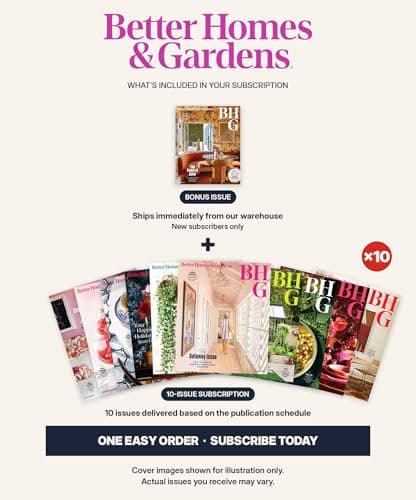
Better Homes & Gardens Magazine Subscription

A genuine print subscription from Dotdash Meredith, listed with a 96-page issue extent - and, when I checked the live catalog for this update, one of only two real shelter-title magazine subscriptions actually sold on Amazon.

the paper magazine habit, at the lowest honest price
12
A warm, decorated bedroom
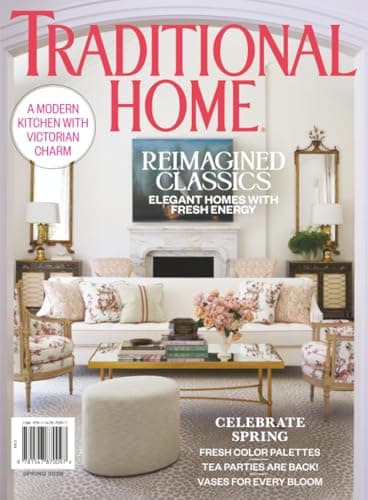
Traditional Home Spring 2026

A 96-page standalone Traditional Home issue with a January 2026 publication date - the newsstand-style special that has replaced the old subscription model at several once-monthly titles.

one issue, no subscription to remember to cancel

Tap any row to jump to the full write-up. Prices open on Amazon in a new tab.

How we chose these picks

Every pick here is chosen the way I’d choose it for a client’s home: real-world durability first, build quality and materials second, and value for the money third. Where I’ve installed or lived with a product on a job, I say so and tell you what I saw. Where a pick is based on research and verified buyer feedback rather than hands-on use, I say that too — I never claim to have tested something I haven’t.

Read our full editorial policy for how we evaluate and update these guides.

1

The Interior Design Handbook: Furnish, Decorate, and Style Your Space

Clarkson Potter · Best for the actual numbers: heights, clearances and rug sizes
An interior design mood board with swatches and samples

Frida Ramstedt's 240-page illustrated handbook is the closest thing this category has to a rulebook - proportions, measurements and placement, drawn as diagrams rather than described in adjectives.

If you buy one book off this page, buy this one. Nearly every decorating mistake I get called in to undo is a proportion mistake - art hung too high, a rug two sizes too small, a walkway nobody can pass through - and this is the only title here organized around fixing exactly that. It is a reference first and a picture book a distant second, which is the right priority.

$29.9943% off

$17.09 · View on Amazon

#ad · disclosure · Price as of November 5, 2026

Pros

  • Built around measurements and proportion rather than taste, so it answers questions a styling book cannot
  • Illustrated by Mia Olofsson in clean line diagrams - you can see the rule, not just read it
  • Works on any style of room, because geometry does not care whether you like farmhouse or modern
  • Short enough at 240 pages to read end to end in a weekend and then use as a lookup for years

Cons

  • Deliberately sparse on inspiration photography - if you want finished rooms to fall in love with, this is the wrong book
  • Originally published in Swedish, and a few references sit closer to Scandinavian norms than American ones
  • The 2020 publication date shows in the shopping references; the measurements and principles are unaffected
2

House Rules: How to Decorate for Every Home, Style, and Budget

Revell · Best for deciding what to buy, and in what order

A decorated, cozy living room with a sofa

Myquillyn Smith's 2024 hardback is a decision framework rather than a lookbook: a repeatable sequence for working out what a room needs before you spend anything on it.

Most people do not have a taste problem, they have a sequence problem - they buy the throw pillows before the sofa and the art before the paint. This book is the clearest answer to that I have found in print, and it is the one I would hand someone who has an empty room and a nervous budget. It also tells you when to stop, which almost nothing else in this genre does.

$29.9919% off

$24.16 · View on Amazon

#ad · disclosure · Price as of November 5, 2026

Pros

  • The newest book in this top group, published April 2024, so its examples and shopping context are current
  • Organized as a process you apply to your own room, which is the test this page is built around
  • Explicitly budget-aware, and comfortable telling you to buy nothing yet - rare and valuable in this category
  • 240 pages, approachable prose, no design vocabulary you need to look up

Cons

  • The method leads somewhere warm, neutral and quietly styled - if your taste runs bold or maximalist you will be adapting rather than following
  • Lighter on hard numbers than the handbook above; the two complement each other rather than overlap
  • Written in a personal, conversational register that some readers will find chatty
3

The Color Scheme Bible: Inspirational Palettes for Designing Home Interiors

Firefly Books · Best for choosing a palette without hiring anyone

A vintage-styled room with antique furniture and warm accents

Anna Starmer's 256-page paperback is a palette catalog you flip rather than a theory course you study - the fastest way to turn a color you like into a scheme that works.

Color is where most self-directed decorating projects fail, and it fails in a specific way: people choose one color they love and nothing to go with it. A palette book solves that for roughly what a couple of wrong sample pots and a wasted Saturday cost you. This one has stayed in print for over a decade because the schemes are genuinely usable rather than fashionable.

$23.99 · View on Amazon

#ad · disclosure · Price as of November 5, 2026

Pros

  • Organized by palette, so you can find a combination you already half-like and see it resolved properly
  • A paperback rather than a hardback, so it is one of the least expensive ways onto this list
  • Gives each scheme supporting and accent colors, which is the part people get wrong when they pick a single wall color in isolation
  • Style-agnostic: the palettes work whether you are drenching a room or doing one accent wall

Cons

  • Published in 2012, so the photography looks its age even though the color relationships do not
  • Printed ink can never match a paint chip - treat every palette as a direction, then test real samples on your wall
  • Not a color-theory textbook; if you want to understand why a scheme works rather than see that it does, look elsewhere
4

The Perfectly Imperfect Home: How to Decorate and Live Well

Potter Style · Best for making a finished room feel lived in

A cozy reading corner with a chair, lamp, and plants

Deborah Needleman's 256-page hardback, illustrated in watercolor by Virginia Johnson, is a checklist of the small comfortable things that separate a decorated room from a staged one.

There is a specific failure I see in rooms that followed all the rules: everything is the right size and the room still feels like a showroom. This is the book that fixes it, because it is entirely about the layer most people skip - the reading light that actually works, the surface within arm's reach, the things that make a chair the one everybody sits in.

$32.5042% off

$18.74 · View on Amazon

#ad · disclosure · Price as of November 5, 2026

Pros

  • Organized as discrete elements - lighting, layers, places to set a drink down - so you can act on one page at a time
  • Watercolor illustration instead of photography, which ages far better than a decade-old photo shoot
  • Written by the founding editor of Domino, and it reads like someone who had to make rooms work for a camera and for a family
  • Genuinely the best gift book on this page: handsome enough to display, useful enough to keep

Cons

  • The least measurement-driven book in this group; it assumes you have already got the layout right
  • Published in 2011, and the shopping references are dated even though the principles are not
  • The sensibility is relaxed East Coast traditional - lovely, but it is a point of view rather than a neutral method
5

Never Too Small: Reimagining Small Space Living

Smith Street Books · Best for small rooms and genuinely awkward layouts

A warm, well-organized home office

Joel Beath and Elizabeth Price's 296-page hardback documents small apartments with floor plans beside the photographs, which is what makes it useful rather than merely impressive.

Small-space advice is usually a list of tricks - mirrors, light paint, legs on the furniture. This is the only book on the page that shows you the plan, and the plan is where small spaces are won or lost. I would buy it for the floor plans alone, and I say that as someone who thinks most architecture monographs are not worth their shelf space.

$40.0041% off

$23.71 · View on Amazon

#ad · disclosure · Price as of November 5, 2026

Pros

  • Every project is shown with a plan, so you can read the solution instead of admiring the result
  • Covers the hard problems specifically - storage in walls, dual-purpose rooms, where to put a bed when there is no bedroom
  • The 296-page extent means real depth per project rather than a page each
  • Translates directly to a small bedroom or a studio even if you will never do a full renovation

Cons

  • Most projects are architect-designed renovations, so the ideas need adapting rather than copying
  • Heavily skewed to custom joinery, which is the expensive answer to a small-space problem
  • International in scope; a few apartments are built to standards and dimensions that do not match US construction
6

Interior Design Master Class: 100 Rooms: Lessons from the Finest Designers on the Art of Home

Rizzoli Electa · Best for learning to read a room the way a designer does

A styled shelf with vases, books, and ceramics

Carl Dellatore's 320-page Rizzoli hardback, published September 2025, puts a hundred rooms beside the designers' own explanations of the decisions inside them.

The skill that separates people who decorate well from people who buy well is the ability to look at a finished room and name what is doing the work. This is a hundred supervised reps at exactly that. It earns its place over the dozens of similar monographs because the designers explain themselves instead of just being photographed.

$60.0038% off

$37.30 · View on Amazon

#ad · disclosure · Price as of November 5, 2026

Pros

  • The newest book on this page, published September 2025 - the only one whose rooms reflect how people are decorating right now
  • Pairs each room with the reasoning behind it, which is the difference between inspiration and instruction
  • A hundred separate case studies means you can dip in for ten minutes and still learn something concrete
  • Rizzoli production values: the photography is reproduced well enough to actually study

Cons

  • These are high-budget professional projects; almost nothing here is a direct shopping list
  • At coffee-table price and 320 pages it is the second-biggest commitment on this page
  • Essays by many different designers means the quality of the explanations varies from genuinely instructive to decorative
7

New York School of Interior Design: Home: The Foundations of Enduring Spaces

Clarkson Potter · Best for the most reference per dollar on this page

An entryway console table with decor and a mirror

Ellen S. Fisher and Jen Renzi's 464-page hardback, with a foreword by Alexa Hampton, is a design-school foundations course bound as a book - the deepest reference here by a wide margin.

Every other book here teaches you to decorate. This one teaches you why the decisions work, which is what you need the moment your room stops matching the examples. I recommend it to the specific person who has already read two decorating books, applied them, and hit a problem neither one covered.

$65.0065% off

$22.74 · View on Amazon

#ad · disclosure · Price as of November 5, 2026

Pros

  • At 464 pages it is nearly double the length of anything else on this list, and it is reference rather than filler
  • Written out of an accredited design school's own curriculum, so it covers the structural fundamentals most decor books skip
  • Organized by element - space planning, surfaces, light, furnishings - which makes it genuinely usable as a lookup
  • Routinely the steepest discount off list price of any pick here, which makes the per-page value hard to beat

Cons

  • It is a textbook in tone, and it reads like one - this is the least fun book on the page
  • Published 2018, so nothing in it speaks to current products or trends
  • Too much book for someone decorating one rental bedroom; buy it when you want to understand the discipline
8

Flea Market Style

Ryland Peters & Small · Best for decorating well out of secondhand finds

A rustic room with natural wood and warm textures

Emily Chalmers and Ali Hanan's 144-page hardback is about the hardest part of buying secondhand: deciding what a piece could become before you carry it home.

Secondhand is still the single biggest lever on a decorating budget, and the thing that stops people using it is not money, it is confidence standing in front of an unpromising chair. This book is training for that moment. It is on the page over several bigger flea-market titles because the others were down to their last copies when I checked, and I will not feature a pick you cannot reliably buy.

$24.9550% off

$12.39 · View on Amazon

#ad · disclosure · Price as of November 5, 2026

Pros

  • Addresses the real skill in thrifting - editing and combining - rather than just showing finished vintage rooms
  • At 144 pages it is the shortest book here, which suits a subject that is more eye than theory
  • The cheapest route to a room that looks nothing like a catalog, which is exactly what secondhand buys you
  • Ages well, because the supply at a flea market has not changed and never will

Cons

  • The sensibility is British flea market, so some of the specific furniture types are easier to find there than in the US
  • Published 2018 and strongly styled, so a few of the rooms read as of their moment
  • No practical guidance on the unglamorous side of secondhand - condition, upholstery costs, pests, refinishing
9

English Country House Style: Traditions, Secrets, and Unwritten Rules

Abrams Books · Best for one aesthetic, taught properly rather than photographed

A modern farmhouse interior in cozy neutrals

Milo and Katy Campbell's 240-page Abrams hardback, illustrated by Mark Nicholson, sets out the conventions behind a look most books only photograph - the unwritten rules in the subtitle are the actual content.

I included exactly one style book on this page, and this is it, because it is the rare one that teaches the grammar instead of showing the vocabulary. Buy it if the look appeals to you; skip it without guilt if it does not. If you want the broader map of styles before committing to one, start with our style hub rather than a forty-dollar hardback.

$55.0028% off

$39.47 · View on Amazon

#ad · disclosure · Price as of November 5, 2026

Pros

  • Explains the conventions - what goes where, and why - instead of leaving you to reverse-engineer them from photos
  • Illustrated rather than purely photographed, which makes the rules legible
  • Published October 2024, so it is current with the wide revival of this look
  • The conventions port surprisingly well to American rooms: layering, pattern tolerance, comfortable rather than pristine

Cons

  • It is a single-aesthetic book - enormously useful if you want this look, close to useless if you do not
  • The source material is large old houses, and some conventions simply do not scale to a two-bedroom apartment
  • Sits at the coffee-table end of the price range here, which is a lot for one point of view
10

Black & Decker The Book of Home How-to, Updated 3rd Edition

Cool Springs Press · Best for the repairs every decor book assumes you can already do

A renovation workshop with tools and a workbench

536 pages of step-by-step home repair from the Editors of Cool Springs Press, updated to a third edition in May 2025 - the book that covers everything the decorating books quietly skip.

Decorating books assume a sound, square, finished room. Real houses have a sagging shelf anchor, a switch plate that does not sit flush, and a wall that will not take a screw where you need one. This is the book that closes that gap, and leaving it off a list of books for people decorating their homes would have been dishonest.

$40.0046% off

$21.66 · View on Amazon

#ad · disclosure · Price as of November 5, 2026

Pros

  • By far the most pages here at 536, and every one of them is procedural rather than inspirational
  • Updated third edition published May 2025, so codes and materials guidance are recent
  • Photo-sequence format means you can follow a job with the book propped open and dirty hands
  • Paperback and mid-priced despite the extent, which makes it the best value on the page for anyone who owns their home

Cons

  • This is not a decorating book, and it will not help you choose anything - it is deliberately the odd one out here
  • Breadth over depth: for a big single job, a dedicated title on that trade goes deeper
  • A reference this size is a lookup, not a read; nobody finishes it cover to cover
11

Better Homes & Gardens Magazine Subscription

Dotdash Meredith · Best for the paper magazine habit, at the lowest honest price

A styled wood coffee table in a living room

A genuine print subscription from Dotdash Meredith, listed with a 96-page issue extent - and, when I checked the live catalog for this update, one of only two real shelter-title magazine subscriptions actually sold on Amazon.

I checked what you can really buy here before recommending anything. Searching Amazon for the big design-led titles by name returned single back issues from resellers rather than subscriptions - this and Southern Living were the only genuine print subscriptions that came back in this niche at all. If you want paper on your coffee table without paying per copy, this is the honest answer. If you want the design-led titles, subscribe on the publisher's own site, or read the section below on getting them free.

$14.9933% off

$9.99 · View on Amazon

#ad · disclosure · Price as of November 5, 2026

Pros

  • A real subscription rather than a single back issue, which is a distinction most Amazon magazine listings in this category blur
  • Broad home coverage - decorating, gardening, projects, food - so there is something usable in every issue
  • Costs dramatically less per issue than buying single copies of any shelter title from a third-party seller
  • Print magazines are the one decorating format you flip through without deciding to; that habit is worth something

Cons

  • Mass-market in editorial ambition - it is not where you go for design-led or high-end interiors
  • A large share of every issue is food, gardening and seasonal content you may not want
  • Deliveries through third-party magazine fulfillment can start slowly; check the listing's own terms before you buy
12

Traditional Home Spring 2026

Traditional Home · Best for one issue, no subscription to remember to cancel

A warm, decorated bedroom

A 96-page standalone Traditional Home issue with a January 2026 publication date - the newsstand-style special that has replaced the old subscription model at several once-monthly titles.

This is here partly as a pick and partly as evidence. A title that people still think of as a monthly magazine now reaches readers as a dated seasonal special you buy once, and that tells you more about the state of print shelter media than any commentary could. As a product it is a good one: current, well printed, and nothing to unsubscribe from.

$14.99 · View on Amazon

#ad · disclosure · Price as of November 5, 2026

Pros

  • A one-time purchase with nothing to cancel, which is the right shape for most people's actual magazine use
  • Shelves like a slim book rather than going in the recycling, so it stays useful as reference
  • Current: a 2026 publication date, which is more than can be said for most decorating titles priced like this
  • Decorated, layered traditional interiors - the half of the market the mass-market monthlies cover least well

Cons

  • It is one issue, so the cost per page is much higher than a year's subscription to a monthly
  • Special issues go out of print rather than restocking; when it is gone it is gone
  • Heavy on photography relative to instruction - this is an inspiration purchase, not a method purchase

Three different things get sold as home decor books, and only one of them is a book

Before any recommendation is useful, you need this, because it is the biggest practical problem with this category in 2026. When I read the live Amazon catalog for this update, the results filed under Books for home decor searches contained three genuinely different products.

1. Real books from real publishers. Every pick above is one. The tell is in the listing’s own data: a named author, a named publisher, a page count, a publication date, and an ISBN. The ten books above come from Clarkson Potter, Potter Style, Rizzoli Electa, Abrams, Revell, Firefly Books, Smith Street Books, Ryland Peters & Small and Cool Springs Press. Those are houses with editors, and an editor is the only reason a decorating book contains anything you cannot get from a search engine.

2. Print-on-demand “trend magazines.” This is the one to watch for. The live catalog is carrying titles like 2027 Interior Design Trends Magazine and 2026 Interior Design Trends Magazine — long, keyword-stuffed names that read as a search query rather than a title. Pull up the product details and the publisher field says “Independently published.” The 2027 one runs 72 pages, was published in late October 2026, and at the moment I checked it cost more than a full year of a real magazine’s print subscription. There is no newsroom, no photo budget and no editor behind it. You are paying a premium for a document.

3. Faux books, which are furniture. Sets of six or eight “decorative books” from brands like Vikber and HMMSTR sit in the same results. These are props — and the listing data says so if you look: no author, no page count, no publication date, and a binding field reading “Unknown Binding.” There are also genuinely blank books sold for display, with titles that cheerfully state they are for styling a coffee table. None of these are a scam; they are legitimate decor objects and some rooms want them. They are simply not reading material, and they are ranking alongside things that are.

The thirty-second check. Scroll to Product details on any listing and look for three things: a publisher that is not “Independently published,” a page count, and an ISBN-10 or ISBN-13. A real trade book has all three. A print-on-demand title usually has the page count and the ISBN but names no publisher. A prop has none of them. That one scroll will save you more money in this category than any recommendation I could make, including mine.

The order I would actually buy and read these in

Ten books is a shelf, not a shopping list. Here is the sequence I would follow, and where I would stop depending on what you are trying to do.

Buy one book: the Interior Design Handbook. It is the only one that gives you the numbers, and proportion mistakes are the ones that make a room feel wrong no matter how good the individual pieces are.

Buy two: add House Rules. The handbook tells you the right size; House Rules tells you the right order to buy in. Between them you have the two questions that actually stall a project.

Buy three: add the Color Scheme Bible if you have paint or textiles to choose, or The Perfectly Imperfect Home if the layout is settled and the room still feels like a showroom. Those are two different problems and you will know which one you have.

If you own the house: add the Black & Decker Book of Home How-to regardless of where you are in the decorating. It is the one book here that earns its price in avoided call-out fees.

If you are going deeper: New York School of Interior Design: Home for the foundations, then Interior Design Master Class: 100 Rooms for the supervised practice of reading finished rooms. That pairing is a real education, and it is a lot cheaper than one.

Special cases: Never Too Small if your problem is square footage, Flea Market Style if your problem is budget, English Country House Style if you have already decided on the look and want the rules behind it.

Home decor magazines in 2026: what is still printing, and what it costs

The honest headline is that the US shelter magazines are still here, and most of them are printing less often than you remember. You can see it on the covers. Reading the live listings for this update, Architectural Digest still carries a single-month cover — a November 2026 issue. But House Beautiful is dated September–October 2026, Veranda November–December 2026, and Country Living has both an October–November 2026 issue and a December 2026–January 2027 one. Two months to a cover is the current normal for most of the category.

That matches what the trade press reports. In an April 2026 Business of Home piece on whether designers still care about print, Jen Fernandez reported that over the past decade most shelter magazines have cut both how often they publish and how many pages they run. Jenny Bradley Pfeffer, a former shelter magazine editor, put the consequence bluntly: “There just isn’t the space.” And yet the appetite has not moved — she also says that “In every conversation we have with clients, they all still want print—it’s everyone’s goal”. Designer Noha Hassan is clear-eyed about why the squeeze happened: “Very few people are buying physical magazines the way they used to, so we have had to adapt.” Vanessa Katzen argues “Digital is the new print,” while architect Thomas A. Kligerman makes the case for the object itself: “Holding something in your hands is still the tops.”

The practical trap: do not buy a shelter magazine subscription on Amazon. I searched the live catalog by name for this update. Querying “House Beautiful Magazine Subscription” and “Elle Decor Magazine Subscription” returned single back issues from third-party sellers — one copy, reseller pricing, often a 2026 issue, sometimes a 2020 one — alongside the only two genuine subscriptions in this niche that came back at all: Better Homes & Gardens and Southern Living, both from Dotdash Meredith. No Hearst or Condé Nast shelter title offered a subscription there. If you want Architectural Digest, Elle Decor, House Beautiful or Veranda on paper, subscribe on the publisher’s own site. Buying a single reseller copy at newsstand-plus pricing because the listing says “subscription” in the search box is the most common mistake in this category.

The other route, which I would take first, is the one in the next section: your library card already pays for most of these.

The free option almost nobody uses

Before you pay for any magazine, check what your public library already buys on your behalf. The library app Libby, made by OverDrive, describes itself plainly on its own site: “Borrow ebooks, audiobooks, magazines, and more for free from your local library with Libby, the library reading app.” Setup is one step — “Find your library and sign in with your library card” — and there is no subscription attached to it.

Two details make magazines the best thing in there, and almost nobody knows them. Per Libby’s own help documentation, ebook and audiobook loans count toward your borrowing limit but magazines do not, and library magazines are available at all times rather than sitting behind a hold queue. In practice that means you can borrow every decorating title your library carries at once, back issues included, without using up a single one of the checkouts you were saving for a novel.

This is a worse recommendation for me than telling you to buy something, and it is the right one. Get the card, open the magazine rack in the app, and read a year of shelter titles before you decide which one is worth paper. If one of them turns out to be the magazine you genuinely want to own, subscribe to that one on the publisher’s site and skip the other eleven.

What decorating books get wrong, all of them

Three honest limits apply to every title on this page, including the ones I rate most highly.

The rooms are photographed, not lived in. An interiors photograph is made with cleared surfaces, borrowed props, often a lens that flatters the proportions, and lighting that does not exist in your house at seven in the evening. You are not failing to achieve what is in the picture; the picture is not a room, it is a photograph of one. Take the principle and leave the image.

The products in them are gone. Any decorating book more than two or three years old is referencing pieces that are discontinued. That makes a book’s shopping guidance the first thing to expire and its method the last. It is also why I weighted method so heavily in the criteria at the top, and why the two picks here published since 2024 earned their places partly on recency.

Almost none of them discuss money honestly. The photographs come from projects with budgets, and very few books say which decisions were expensive. When a book shows you a room and does not tell you that the millwork was custom, it is quietly teaching you to want something it has not priced. That is the main reason House Rules and Flea Market Style are on this page over several better-photographed alternatives.

None of that makes the category a bad buy. It makes it a reference category. Read for the rules, not the rooms — and if you want the room-by-room version of the same advice with current products attached, that is what the rest of this site is for: start with the roundups or decorating ideas by room.

Buying one of these as a gift

Decorating books are one of the few genuinely safe gifts for someone who has just moved, because they do not have to match anything. A couple of notes if that is what you are here for.

For someone who has just bought or rented a place and is standing in empty rooms, House Rules is the kindest choice — it tells them what to do first and gives them permission not to buy everything at once. For someone whose home is already finished and lovely, The Perfectly Imperfect Home is the better gift: it is a handsome object, it is about comfort rather than correction, and it does not read as an implied criticism of their house.

Avoid giving the single-aesthetic books unless you are certain of the taste — English Country House Style is a wonderful present for the right person and a very pointed one for the wrong one. And do not give a reference textbook as a gift; the New York School of Interior Design volume is excellent and it is a purchase someone should make for themselves. Our housewarming gift guide covers the non-book options for the same occasion.

Frequently asked questions

What is the best home decor book for beginners?

The Interior Design Handbook by Frida Ramstedt (Clarkson Potter, 2020; 240 pages, illustrated by Mia Olofsson). It is the best first book because it is built around measurements and proportion rather than taste — hanging heights, rug sizing, clearances, placement, all drawn as diagrams. Most beginner mistakes are proportion mistakes, not taste mistakes, and this is the only title here organized around fixing exactly that. For a second, add House Rules by Myquillyn Smith (Revell, April 2024), which answers the other beginner question: what to buy first.

What are the best home decor magazines in 2026?

All the established US titles are still publishing 2026-dated issues: Architectural Digest, House Beautiful, Veranda, Elle Decor, Country Living and Better Homes & Gardens. Which is best depends on what you want: AD and Elle Decor are design-led and high-end, House Beautiful and Veranda sit between aspiration and practicality, and BHG and Country Living are broader and more project-oriented. The buying note that matters: only Better Homes & Gardens and Southern Living are sold on Amazon as real print subscriptions (both Dotdash Meredith). Subscribe to the design-led titles on the publisher’s own site — or read them free through your library.

Are home decor magazines still printed?

Yes — most of them just print less often. In the live catalog for this update, Architectural Digest still carried a single-month cover (November 2026), while House Beautiful was dated September–October 2026, Veranda November–December 2026, and Country Living had both October–November 2026 and December 2026–January 2027 issues. Two months to a cover is now normal. That tracks an April 2026 Business of Home report by Jen Fernandez, which found most shelter magazines have cut both frequency and page count over the past decade — former shelter editor Jenny Bradley Pfeffer summed it up as “There just isn’t the space.” Some titles now reach readers mainly as dated seasonal specials you buy once.

How can I read home decor magazines for free?

Use your library card in Libby, the OverDrive library app. Its own site says you can “Borrow ebooks, audiobooks, magazines, and more for free from your local library”, and setup is just “Find your library and sign in with your library card.” Two details make magazines the best thing in there: per Libby’s help docs, ebook and audiobook loans count toward your borrowing limit but magazines do not, and library magazines are always available rather than sitting behind a hold queue. Borrow every decorating title at once, back issues included, then pay for paper only if one proves worth owning.

Why are some home decor books on Amazon blank inside?

Because they are not books — they are furniture, filed in the same category. Faux book sets from brands like Vikber and HMMSTR are sold as shelf and coffee-table props, and there are also genuinely blank hardbacks sold purely for display. The listing data gives them away: in the live catalog these entries have no author, no page count, no publication date, and a binding field reading “Unknown Binding”. They are legitimate decor objects; they are just not reading material. Before buying any decorating book, scroll to Product details and look for a named publisher that is not “Independently published,” a page count, and an ISBN. A real trade book has all three.

Are coffee table books worth buying?

A good one is, for two reasons unrelated to how it looks on the table. Large-format photography reproduced well is genuinely easier to study than the same room on a phone — and a book you leave out gets opened, while a bookmarked page does not. The ones worth the money explain their rooms rather than only photographing them, which is why Interior Design Master Class: 100 Rooms and English Country House Style made our list over dozens of similar monographs. What is not worth it is buying a real book purely as an object — a faux book set costs less and is built for that job. Decide which you want first.

What is the difference between a home decor book and an interior design book?

How much structure they deal with. A decor book works within a room as it already exists — color, furniture, textiles, art, styling. An interior design book takes on the room itself: space planning, light, circulation, sometimes architecture. That matters when you shop. If the walls are staying put and you want the room to look and feel better, a decor book like The Perfectly Imperfect Home or the Color Scheme Bible is the right buy. If you are moving a wall or keep hitting problems your decorating books do not cover, you want a foundations title like New York School of Interior Design: Home. Our home decor vs interior design guide covers the distinction, and when to hire either.

Ready to make your space feel like home?

Browse the roundups I'd actually hand a client — honest picks, real trade-offs, and the one to buy first.