Skip to content
IMy Home

Guides

How to Arrange Living Room Furniture (Step by Step)

The exact order I arrange a living room in - focal point, rug, sofa, seating, and the walkways between.

By Catherine Vizcaino · Home-renovation pro & founder

Updated August 2026

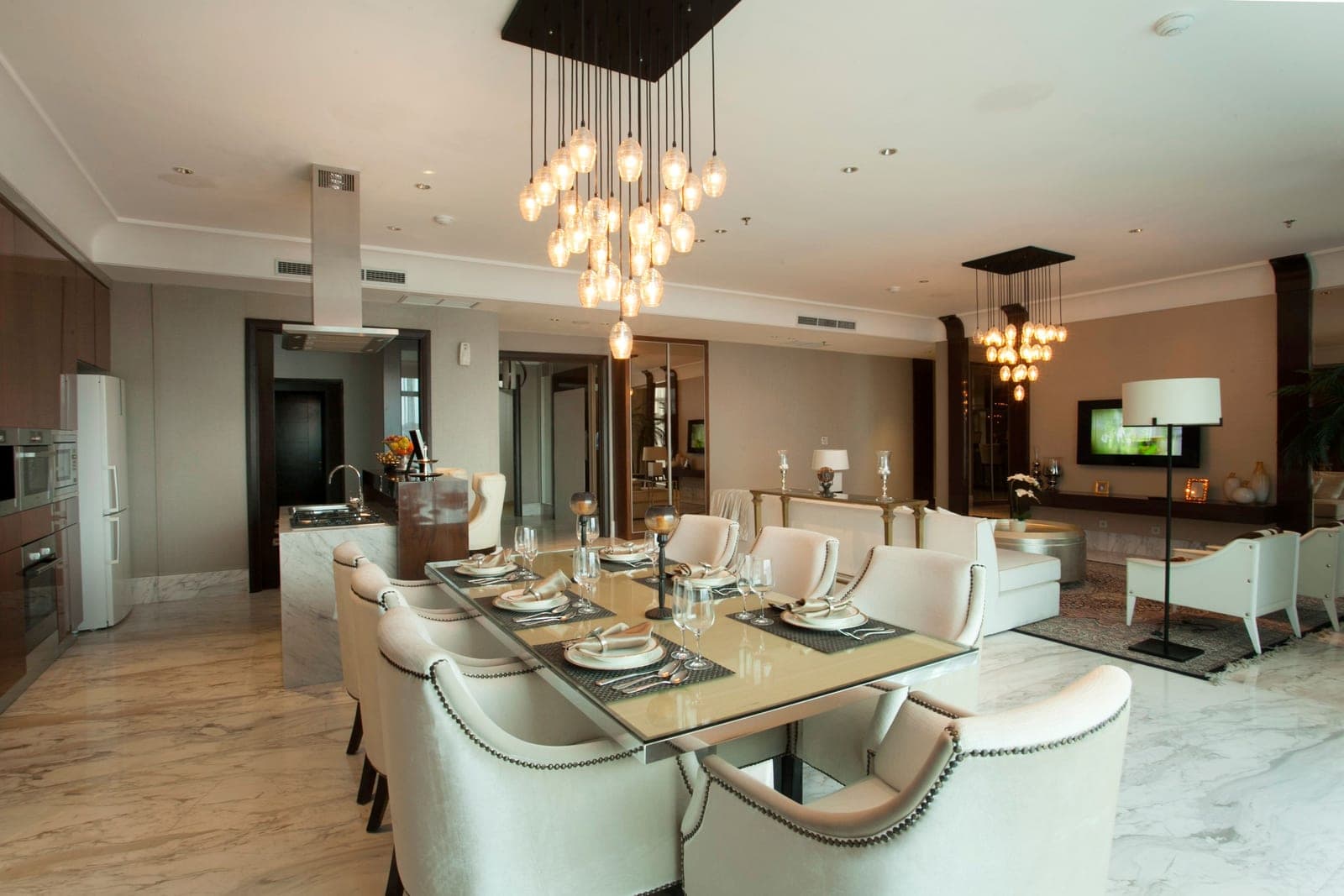
An open-plan living and dining space in warm neutral tones

As an Amazon Associate, I Heart My Home earns from qualifying purchases. It never changes your price or our picks. Learn more.

Most living rooms that feel “off” are not missing furniture — the furniture is just in the wrong places. After arranging a lot of these rooms, I can tell you the whole thing comes down to a repeatable order: find the focal point, anchor with a big-enough rug, place the sofa, build a conversation group, and protect the walkways. Do it in that sequence and the room almost arranges itself.

This guide is that sequence, written as steps you can follow with the furniture you already own. I will point out the two or three mistakes that quietly wreck most layouts — the too-small rug, the against-the-wall reflex, the blocked path — and how to fix each one. For the pieces themselves, see my living room guide; for hands-on projects to finish the space, pair it with DIY home decor ideas.

One honesty note: Amazon prices move constantly, so the anchor pieces below show a Check price on Amazon button instead of a number I cannot promise. Use them as reference shapes and sizes as you work through the steps.
Shop the look

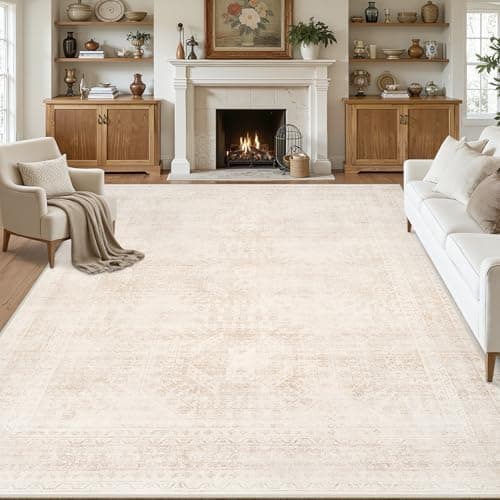
A textured area rug anchoring a living room

Luxturiy 8x10 Neutral Washable Area Rug

Best for anchoring the whole layout

A large neutral rug that defines the seating zone and pulls every piece of furniture into one grounded group.

$68.99 · View on Amazon

#ad · disclosure · Price as of August 4, 2026

A modern sofa in a warm neutral living room

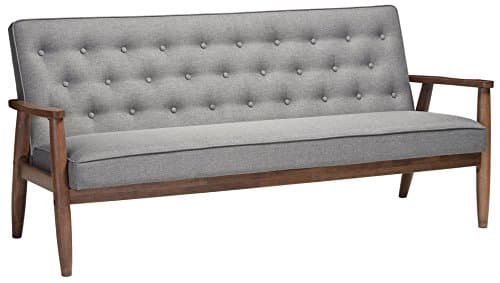
Asifom Mid-Century Modern 3-Seat Sofa

Best for the anchor of the room

A clean-lined three-seat sofa on legs that anchors the seating group and faces the room's focal point.

$179.9915% off

$152.99 · View on Amazon

#ad · disclosure · Price as of August 4, 2026

An accent chair in a cozy reading corner

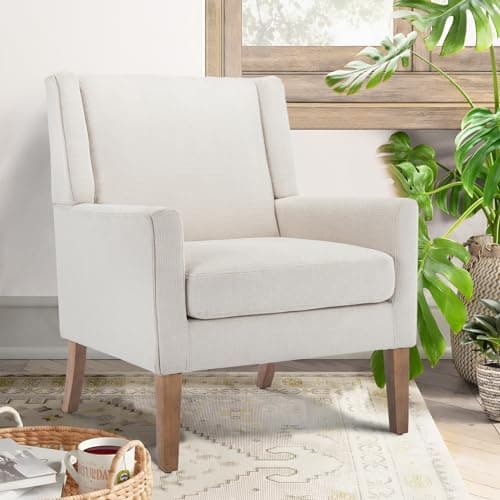
COLAMY Upholstered Wingback Accent Chair

Best for completing the conversation group

An upholstered accent chair that closes the seating circle and gives the arrangement a second, angled anchor.

$169.99 · View on Amazon

#ad · disclosure · Price as of August 4, 2026

A styled wood coffee table in a living room

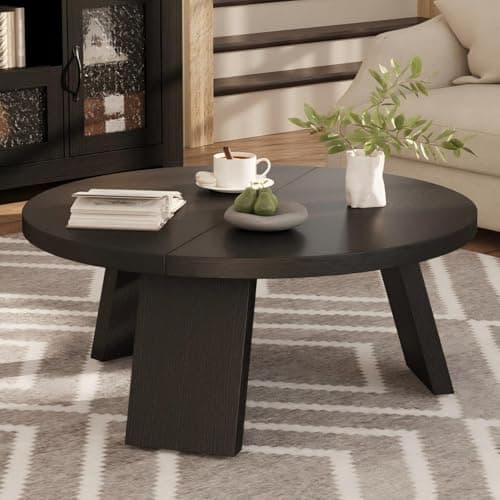
IDEALHOUSE 33.5" Round Coffee Table

Best for the center of the seating group

A round coffee table that centers the seating group and keeps traffic flowing with no sharp corners to catch a shin.

$89.9915% off

$76.49 · View on Amazon

#ad · disclosure · Price as of August 4, 2026

An entryway console table with decor and a mirror

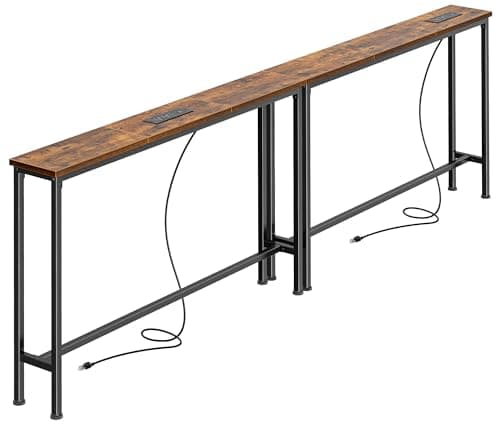
SUPERJARE Narrow Sofa Console Table

Best for a floating sofa or empty wall

A slim console that slides behind a floating sofa or along a wall, adding surface and a lamp spot without stealing walkway.

$64.998% off

$59.99 · View on Amazon

#ad · disclosure · Price as of August 4, 2026

Step 1: Find the focal point and face the sofa to it

Before you move a single piece, decide what the room is organized around. Every well-arranged living room has one focal point — a fireplace, a big window, a media wall — and the seating orients toward it. Pick yours first, because everything downstream depends on it.

  1. Identify the natural focal point. A fireplace or a great window usually wins over the TV; if the TV is the anchor, own it and build around it honestly.
  2. Face the sofa toward it. The largest piece goes down first and points at the focal point, setting the direction for everything else.
  3. Do not default to the wall. In a larger room, floating the sofa a few inches off the wall almost always reads as more intentional than pushing it flat.

Getting the sofa direction right in this first step is what makes the rest of the arrangement fall into place. For choosing the sofa itself, see my best furniture picks.

Step 2: Anchor the room with a big-enough rug

The rug is the foundation the whole layout sits on, and the size is where almost everyone goes wrong. A too-small rug makes every piece feel like it is floating on its own little island, which is the single biggest reason a furnished room still looks unplanned.

  • Size up. The rug should be large enough that the furniture sits on it, not around it. When in doubt, go bigger — a small rug shrinks a room.
  • Get the legs on it. At minimum, the front legs of the sofa and every chair should land on the rug; ideally all four legs of each piece.
  • Leave an even border. Aim for a consistent margin of bare floor around the rug — roughly 10 to 18 inches — so it frames the space instead of wall-to-wall carpeting it.

A rug that ties the furniture together visually is what turns a scatter of pieces into one grounded seating group. Add a pad underneath and even a budget rug feels more substantial and stops sliding.

Step 3: Build a conversation group and protect the walkways

With the sofa and rug down, add the rest of the seating to close a conversation circle — and just as importantly, keep the paths through the room clear. A room can have gorgeous pieces and still fail because you cannot walk through it or talk across it comfortably.

  • Close the circle. Add accent chairs across from or angled toward the sofa so seats face each other. People should be able to talk without shouting or twisting around.
  • Angle a chair. Turning a chair slightly toward the sofa, instead of flat and parallel, is a small move that makes the group feel designed.
  • Keep walkways at about 30 inches. Leave a clear path of roughly 30 inches for the main routes through and around the seating so the room flows.

The test is simple: can two people cross the room and hold a conversation without anyone climbing over furniture? If yes, the bones of your arrangement are right.

Step 4: Layer in the coffee table, lighting, and finishing pieces

Now that the big shapes and the flow are set, drop in the pieces that make the room livable and finished. This is the layer where a correct arrangement becomes a room you actually want to spend time in.

  • Center the coffee table. Place it in the middle of the seating group, about 14 to 18 inches from the sofa — close enough to reach, far enough to walk past.
  • Back a floating sofa with a console. If the sofa sits out in the room, a slim console behind it finishes the view and adds a lamp surface without stealing the walkway.
  • Layer the lighting. Add lamps at different heights so the room is not lit by the ceiling alone — the fastest way to make an arrangement feel warm and finished.

Then style the surfaces lightly and stop before it gets cluttered. Lighting in particular does an outsized amount of the finishing work, and it is the cheapest layer to get right — the same reason it leads my decorate-on-a-budget plan.

Frequently asked questions

Where do I start when arranging living room furniture?

Start with the focal point, not a piece of furniture. Decide what the room is organized around — a fireplace, a big window, or the media wall — and face the sofa toward it, since the sofa is the largest anchor and goes down first. From there the order is simple: lay a big-enough rug under the seating, add chairs to close a conversation group, then place the coffee table and lighting last.

What size rug should go in a living room?

Bigger than you think. The rug should be large enough that the furniture sits on it — at minimum the front legs of the sofa and chairs, ideally all four legs of each piece. In most living rooms that means an 8x10 or larger. A too-small rug is the number one reason a room looks unplanned, so when you are between sizes, go up. Leave a consistent 10 to 18 inches of bare floor around the edges so the rug frames the space.

Should a sofa be against the wall?

Not always. In a small room, putting the sofa against the wall can free up floor you genuinely need. But in a medium or large room, floating it a few inches off the wall — or out into the room facing the focal point — almost always looks more intentional and builds a better conversation group. If the sofa floats, back it with a slim console so it looks finished from behind and gains a lamp surface.

How much space should I leave between the sofa and coffee table?

About 14 to 18 inches between the sofa and the coffee table — close enough to set down a drink without leaning, far enough to walk past and stretch your legs. Keep the table height near the sofa seat cushion rather than towering over it. For the main walkways through and around the room, aim for roughly 30 inches of clear path so the space flows.

How do I arrange a small living room so it does not feel cramped?

Keep the pieces light and the paths clear. Use a big-enough rug to unify the group, choose furniture on visible legs so light and floor show underneath, and hold your walkways to about 30 inches. Instead of bulky extra seating, angle a single accent chair toward the sofa, and pick a round coffee table so traffic flows around it without anyone catching a shin. The goal is fewer, better-placed pieces — not more furniture crammed in.

Ready to make your space feel like home?

Browse the roundups I'd actually hand a client — honest picks, real trade-offs, and the one to buy first.