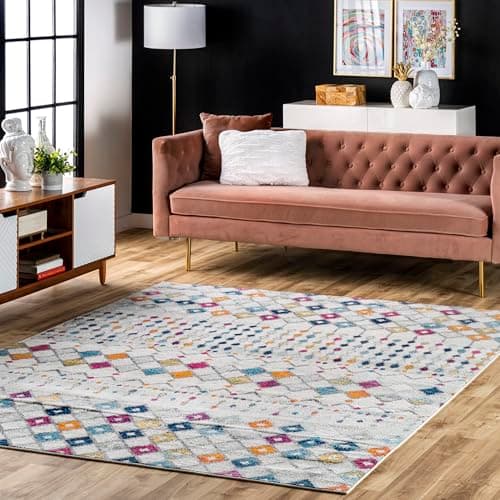
nuLOOM Moroccan Blythe Area Rug
Best for anchoring a living room
A soft, low-to-medium pile Moroccan-diamond rug that comes in the big sizes that actually pull a seating group together.
Guides
Get the size right first - it's the mistake almost everyone makes - then material and layering.
By Catherine Vizcaino · Home-renovation pro & founder
Updated August 2026
As an Amazon Associate, I Heart My Home earns from qualifying purchases. It never changes your price or our picks. Learn more.
Nine times out of ten, a rug that looks wrong isn’t the wrong color or pattern — it’s the wrong size. A rug that’s too small floats in the middle of the floor like a bath mat and makes the whole room feel cheaper and more cramped, no matter how nice the rug itself is. After years of pulling rooms together for a living, I can tell you the single biggest upgrade most people can make is simply buying one size up.
This guide walks through how to choose an area rug the way I do on a job: size and placement first, then material and pile, then layering. I’ll give you the real numbers for the living room, the bedroom, and the dining room so you’re measuring, not guessing. If you already know your size and just want vetted picks, jump to the best area rugs, and if this is for your main seating area, pair it with the living room guide.
Everything below shows a Check price on Amazon button instead of a number, because rug prices swing with size and sales more than almost any category — I’d rather point you at the right size than quote a price that’s wrong by the time you read this. Once the rug is down, it also changes how your furniture should sit, so it’s worth reading alongside how to arrange living room furniture.
Best for anchoring a living room
A soft, low-to-medium pile Moroccan-diamond rug that comes in the big sizes that actually pull a seating group together.
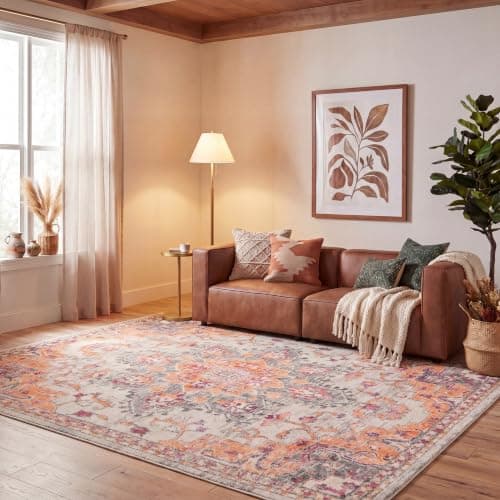
Best for a plush bedroom rug
A denser, softer-underfoot medallion rug that feels good on bare feet stepping out of bed.
#ad · disclosure · Price as of September 19, 2026
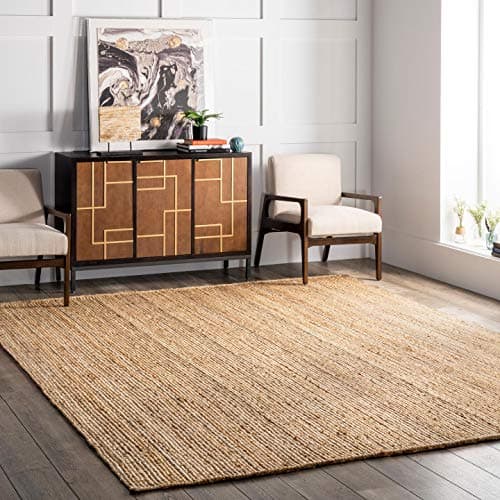
Best for layering and natural texture
A flat, natural-fiber jute rug that works as a low-pile base to layer a smaller patterned rug on top.
#ad · disclosure · Price as of September 19, 2026
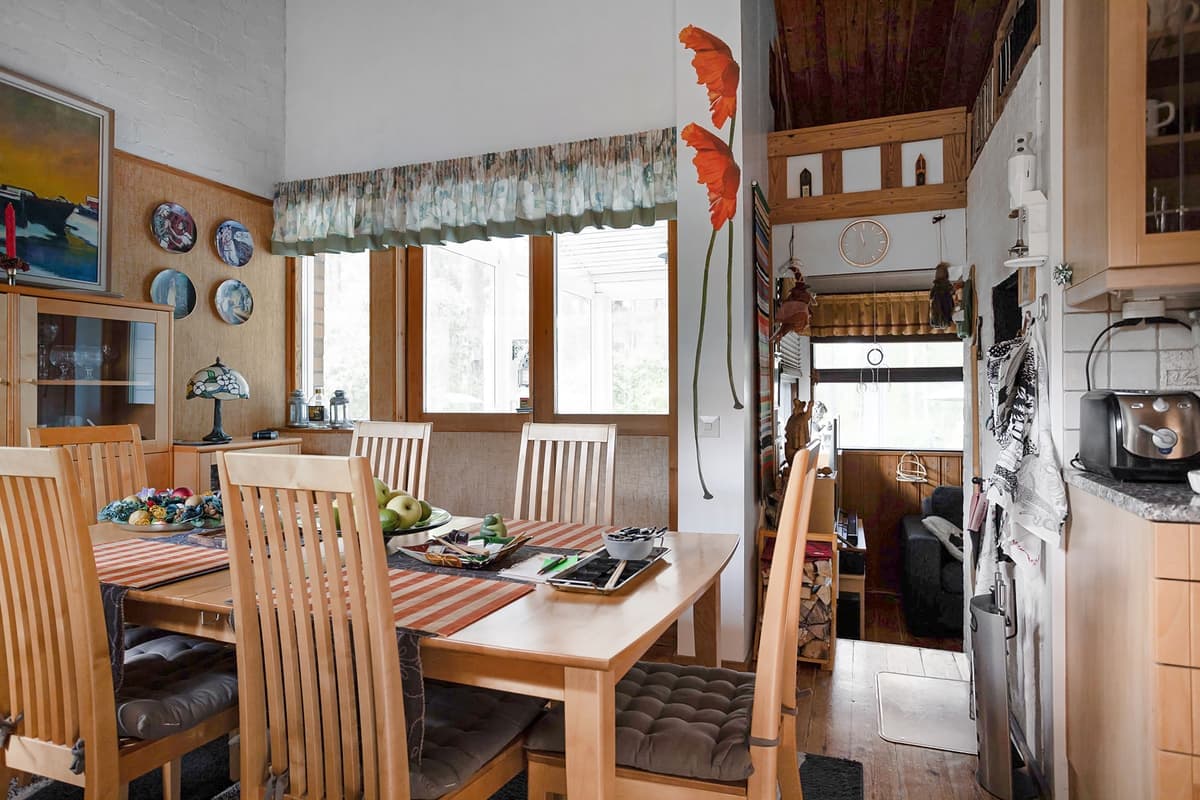
Best for under a dining table
A tight, low-profile weave that lets dining chairs slide in and out without catching or snagging.
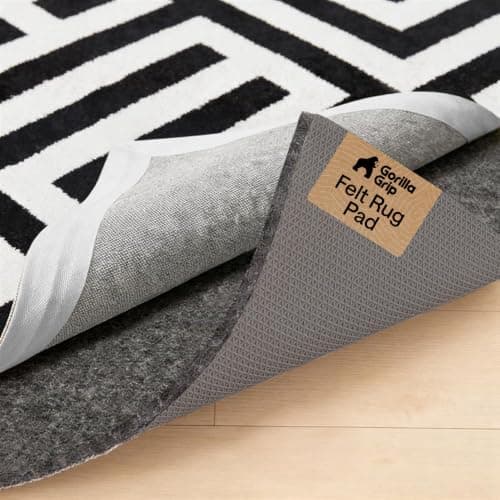
Best for the pad every rug needs
A cut-to-fit felt-and-rubber pad that stops slipping, adds cushion, and protects the floor under any rug.
#ad · disclosure · Price as of September 19, 2026
Before you fall in love with a pattern, decide on the footprint. The rug’s job is to define a zone and pull the furniture into a group, and it can only do that if it’s big enough to reach the furniture. A too-small rug does the opposite: it chops the room into islands and makes everything read as cramped and cheap.
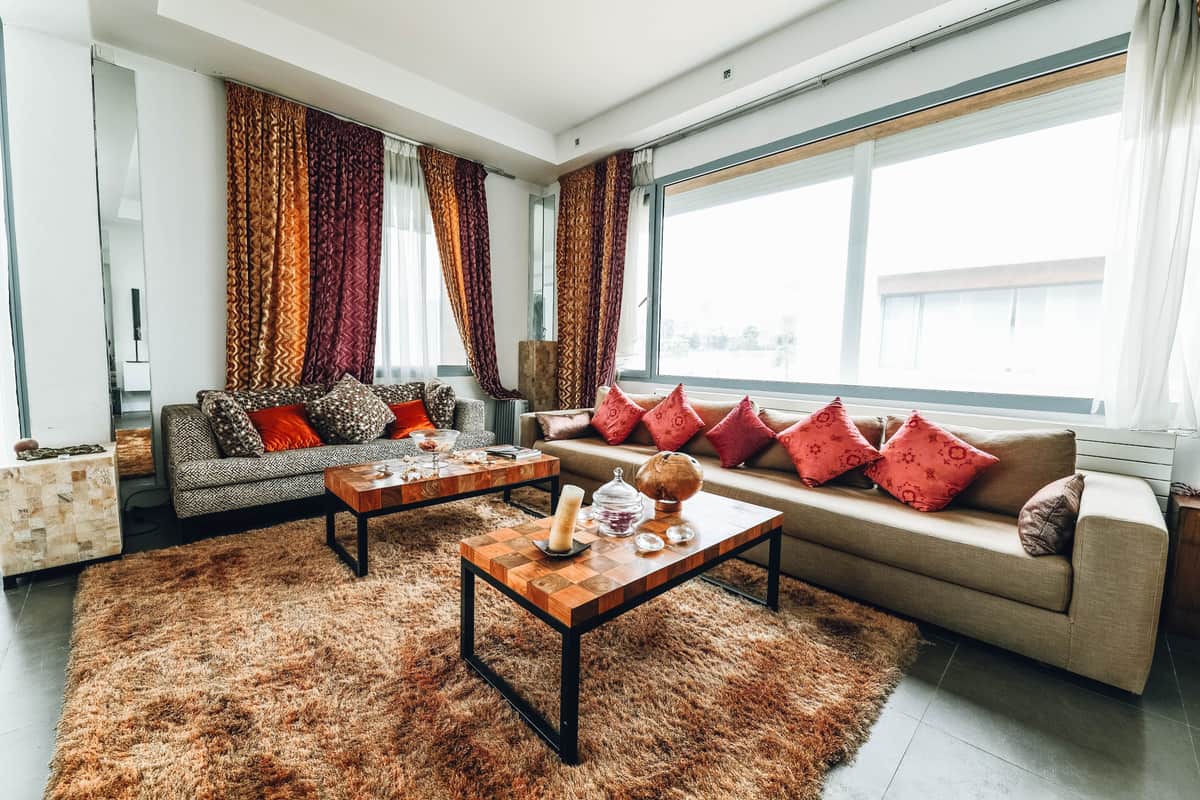
In a living room, the rug ties the seating together, so it has to reach the furniture. There are three accepted ways to place it, from most generous to most budget-friendly:
A good rule of thumb: the rug should be at least as wide as your sofa, and ideally wider, so it extends a bit past each arm. Once the rug is down and the furniture is pulled onto it, revisit arranging the furniture so the whole grouping floats off the walls the way it should.
These two rooms have their own math, and getting it right is what separates a styled room from an afterthought.
Bedroom. You want the rug to extend 18 to 24 inches beyond the sides and the foot of the bed, so your feet land on softness when you get up. For a queen bed that usually means an 8x10; for a king, a 9x12. You can slide the rug under the lower two-thirds of the bed (leaving the nightstands off it) to save on size, or skip a single rug entirely and run two matching runners down each side.
Dining room. The rug needs to be at least 24 inches wider than the table on every side — 30 inches is even safer — so the chairs stay fully on the rug when everyone pushes back from the table. If a back chair leg drops off the edge every time someone stands up, the rug is too small. Match the rug shape to the table: rectangular for a rectangular table, round for a round one. Always measure the table with its leaves in.
Size gets the placement right; material decides how the rug lives with you. Match the fiber to the traffic:
Pile height matters too: low pile is easier to vacuum and lets chairs and doors clear it, which is why it belongs under dining tables and in high-traffic paths. Save plush, high-pile, and shag for bedrooms and low-traffic lounging spots. For a deeper reference on fibers and care, the Carpet and Rug Institute is a solid, non-commercial resource.
Finally, layering is the cheapest way to make a floor look designed: a large flat jute or sisal rug as a base with a smaller patterned rug floated on top adds depth and lets you cover a big footprint for less. And whatever you buy, put a pad under it — it stops the slip, protects the floor, and makes a budget rug feel far more expensive.
For most living rooms, an 8x10 is the minimum that anchors a seating group, and large rooms often need a 9x12 or bigger. The rug should be at least as wide as your sofa and big enough that, at minimum, the front legs of the sofa and every chair sit on it — getting all the legs on is the most luxurious look. For vetted options in the right sizes, see the best area rugs.
At least 24 inches wider than the table on every side — 30 inches is even safer. That margin keeps the chairs on the rug even when they’re pulled out to sit down; if a back leg drops off the edge every time someone stands, the rug is too small. Match the shape to the table and measure with all the leaves in.
No. You have three options: all legs on (most luxurious, needs the biggest rug), front legs on (the budget-friendly sweet spot that still reads as one connected group), and floating with nothing touching (the too-small look to avoid). For most rooms, getting at least the front legs of the sofa and chairs onto the rug is exactly right.
Polypropylene is the value workhorse for busy homes — stain-resistant and easy to clean for kids and pets. Wool is the durable, naturally stain-resistant premium option if the budget allows. I’d keep jute, sisal, and especially viscose out of dining rooms and high-spill zones, because they stain easily and clean poorly. Low pile also holds up and cleans better than shag in traffic paths.
Yes — it’s the cheapest upgrade a rug can get. A pad stops the slipping and bunching, adds cushion that makes a thin budget rug feel far richer, protects the floor, and extends the rug’s life. Buy it one size smaller than the rug so it tucks about an inch in from every edge, and vacuum underneath now and then so trapped grit doesn’t scratch the floor.
Browse the roundups I'd actually hand a client — honest picks, real trade-offs, and the one to buy first.