Skip to content
IMH

Best Picks

The Best Peel-and-Stick Wallpaper - and the Walls It Will Not Stick To

The reversible design move renters actually get away with - as long as you buy for your wall instead of for the photo.

By Catherine Vizcaino · Home-renovation pro & founder

Updated September 2026

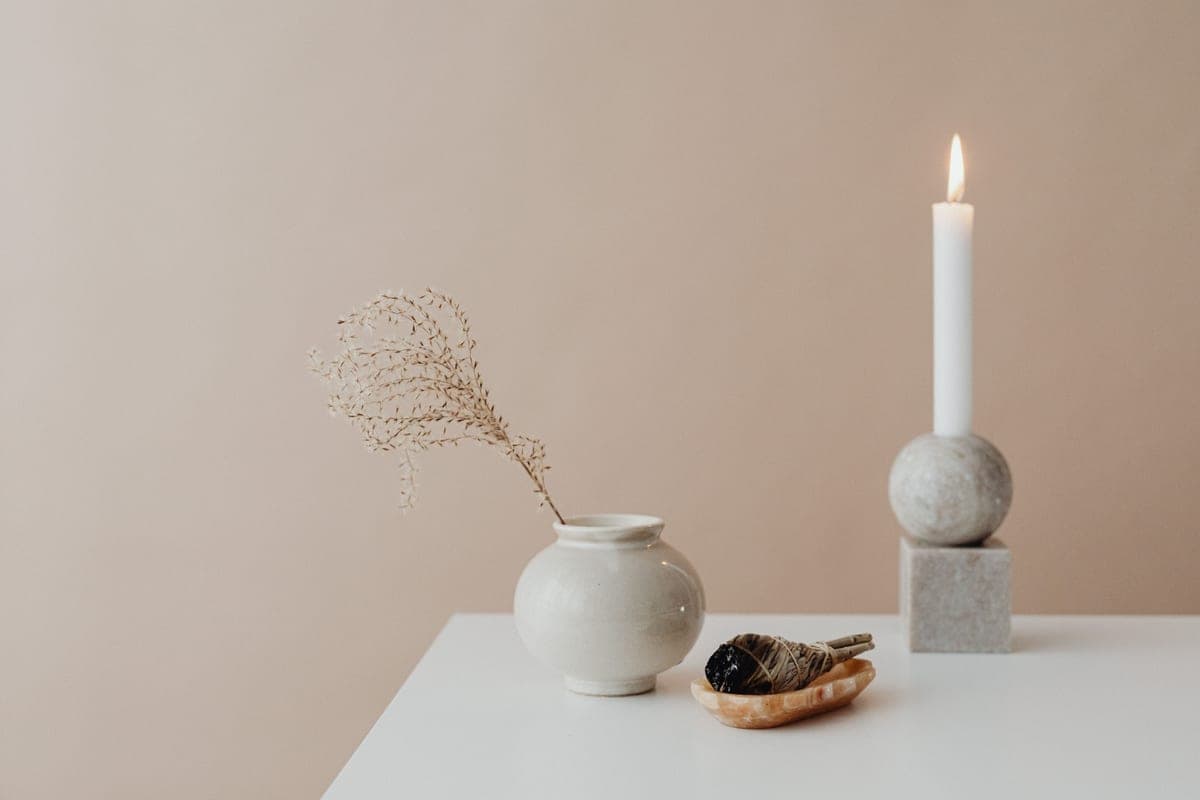
An interior in earthy terracotta and sage tones

As an Amazon Associate, I Heart My Home earns from qualifying purchases. It never changes your price or our picks. Learn more.

Peel-and-stick wallpaper is the single highest-impact thing a renter can do to a room, and it is also the product I see fail more than any other. The failures are almost never the wallpaper’s fault. People buy the pattern they fell in love with on a phone screen, stick it to a wall it was never going to hold on to, and conclude the whole category is junk.

It is not junk. It is a material with rules. I renovate homes for a living, and the rules are boring and short: it wants a smooth, fully-cured, slightly satin wall; it wants fewer seams than you think; and “removable” describes the adhesive, not a guarantee about your landlord’s paint. Get those three right and it stays up for years and comes off clean. Get them wrong and it curls off a bathroom wall in a fortnight.

Here is what I actually weigh before buying a roll:

  • The wall’s surface and paint finish. Smooth drywall in eggshell or satin is the ideal. Orange peel, knockdown, and any flat or “washable matte” paint are where adhesion goes to die.
  • Roll width against your wall width. Every seam is a future failure point and a visible line. A wider roll on the same wall means fewer of both.
  • Material. Thin vinyl film is cheap, moisture tolerant, and shows every lump underneath. Thicker fabric-backed and embossed stock hides wall imperfections and tends to come off cleaner.
  • Pattern repeat. A big repeat means you cut away more to line up each strip. That waste is real and belongs in your coverage math before you order.
  • How reversible you truly need it. A wall you own is a different risk calculation from a security deposit.

Every pick below was confirmed in stock and buyable before it went on this page, and each card shows the live current price rather than a number I typed once and let go stale. See our editorial policy for how these get chosen.

Quick picks at a glance

#ProductBest forPrice
1
An interior in earthy terracotta and sage tones
RoomMates Dimensional Grasscloth Peel and Stick Wallpaper

An embossed grasscloth look from an established wallcovering brand - the safest first roll if you have never done this before.

Texture without the risk
2
A decorated, cozy living room with a sofa
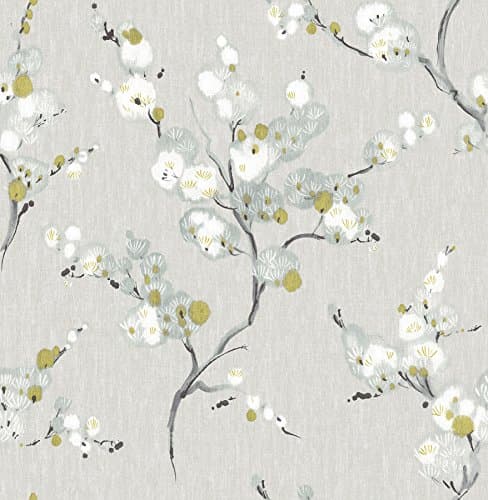
NuWallpaper Mirei Peel and Stick Wallpaper, Grey, 20.5 in x 18 ft

A 20.5-inch-wide roll from a known removable-wallpaper line, which is the width that makes a whole wall practical rather than punishing.

A full accent wall
3
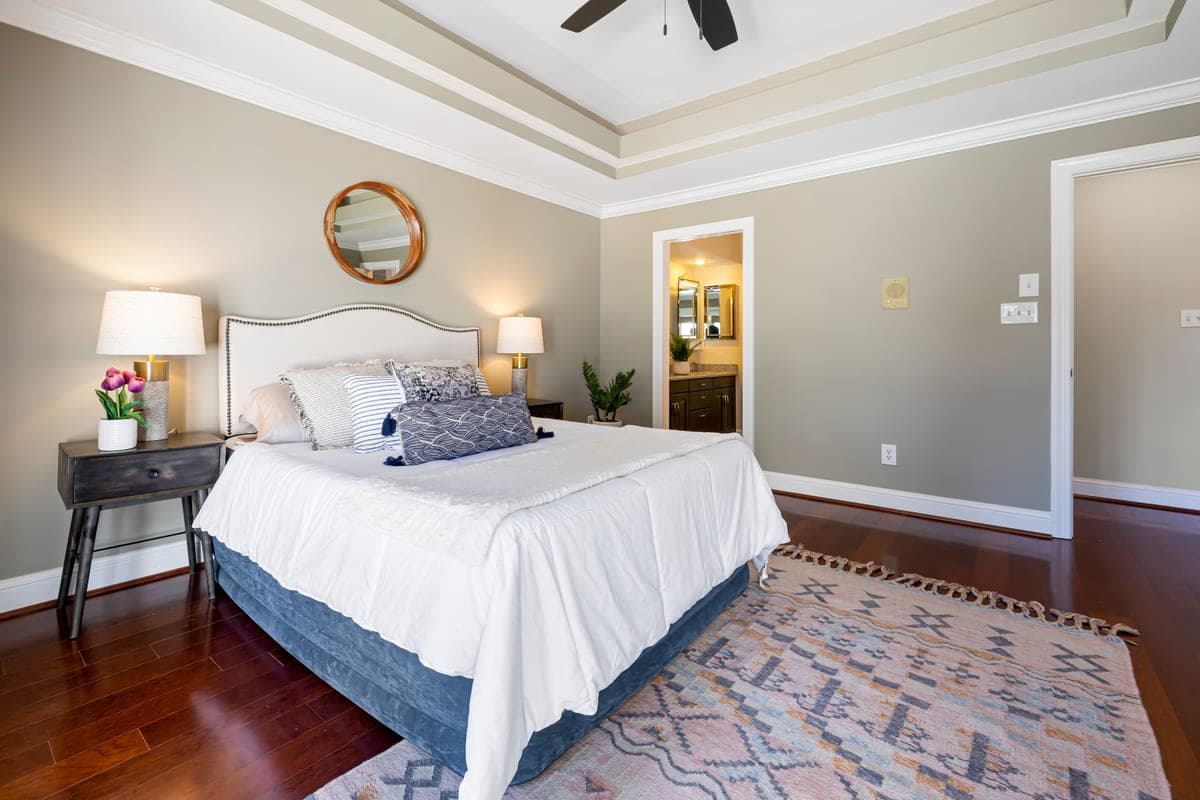
A warm, decorated bedroom
Haimin Grasscloth Textured Wallpaper, 24 x 393 in, White

At 24 inches wide and 393 inches long, this is the widest roll here - the one that crosses a wall in the fewest passes.

The fewest seams
4
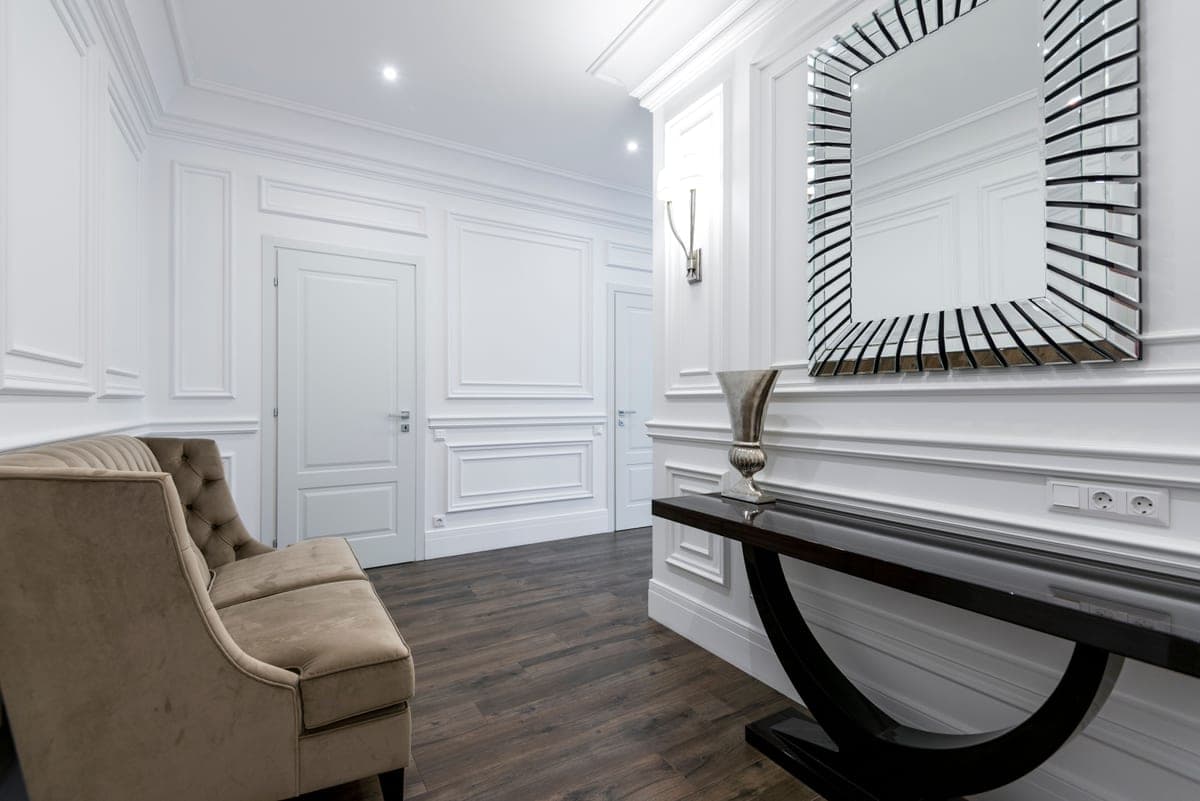
A welcoming entryway with a console and mirror
Baolanzw Blue and White Striped Peel and Stick Wallpaper, 17.32 x 118.11 in

A classic blue-and-cream stripe in a small, cheap roll - the right size for a powder room, an alcove, or the back of a bookcase.

A small bold pattern
5
A maximalist room layered with bold color and pattern
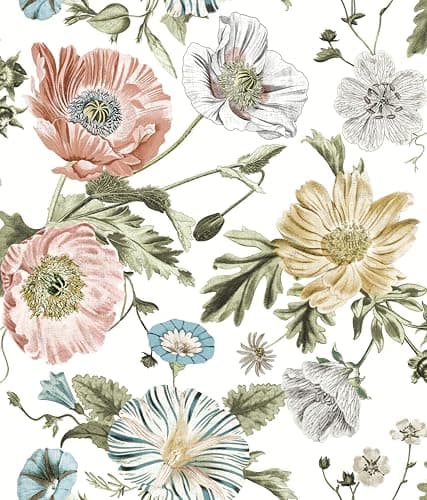
RoomMates Vintage Poppy Pink Peel & Stick Wallpaper

A full floral in soft pink from a brand whose adhesive I trust - the one to buy when you want the room to actually change.

A statement wall
6
A modern farmhouse interior in cozy neutrals
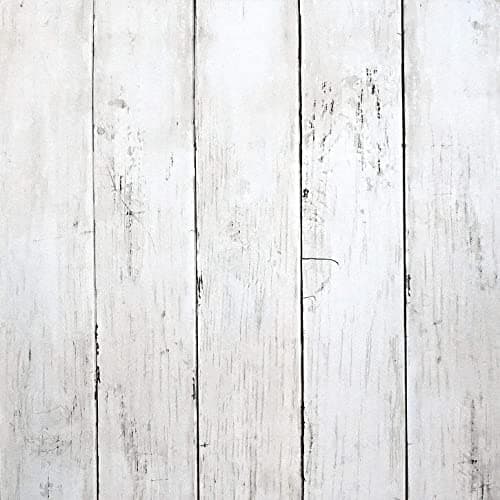
CiCiwind White Shiplap Wood Peel and Stick Wallpaper, 78.7 x 17.7 in

The cheapest roll on this page, which makes it the smartest first purchase: a real adhesion test on your actual wall for pocket change.

Testing before you commit
7
A renovation workshop with tools and a workbench
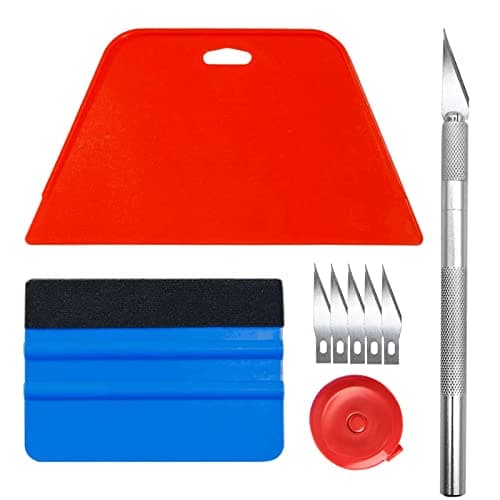
Art3d Smoothing Tool Kit for Peel and Stick Wallpaper

A squeegee and trim blade for the price of a coffee - the difference between a wall that looks papered and a wall that looks installed.

Getting the bubbles out
8
A renovation workshop with tools and a workbench
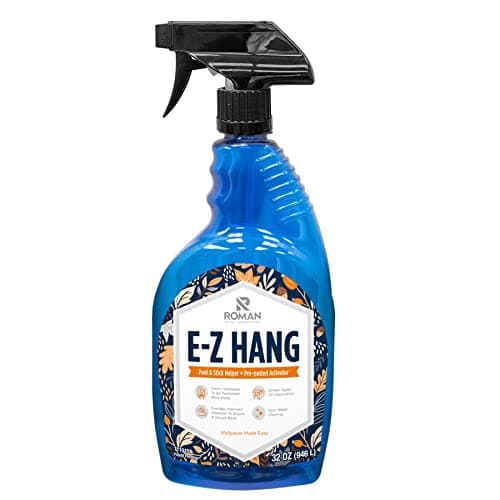
Roman's E-Z Hang Peel & Stick Wallpaper Helper, Clear, Non-Staining, 32 oz

A clear prep coat made specifically for peel-and-stick, for the wall that failed your test strip but still has to be papered.

Walls that fight back

Tap any row to jump to the full write-up. Prices open on Amazon in a new tab.

How we chose these picks

Every pick here is chosen the way I’d choose it for a client’s home: real-world durability first, build quality and materials second, and value for the money third. Where I’ve installed or lived with a product on a job, I say so and tell you what I saw. Where a pick is based on research and verified buyer feedback rather than hands-on use, I say that too — I never claim to have tested something I haven’t.

Read our full editorial policy for how we evaluate and update these guides.

1

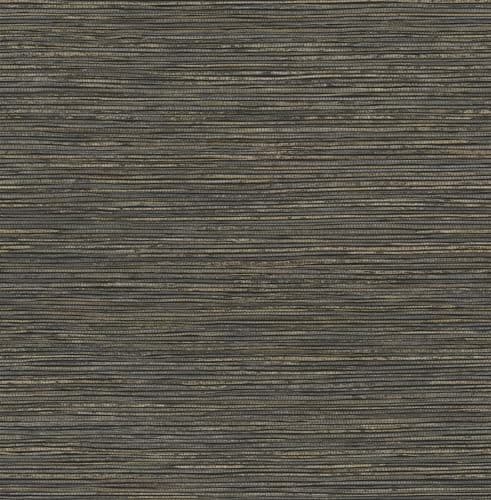
RoomMates Dimensional Grasscloth Peel and Stick Wallpaper

RoomMates · Best for Texture without the risk
An interior in earthy terracotta and sage tones

An embossed grasscloth look from an established wallcovering brand - the safest first roll if you have never done this before.

When someone tells me they want to try removable wallpaper and have never hung any, this is where I point them. A texture with no repeat is the most forgiving thing you can put on a wall, because there is nothing to misalign and small errors disappear into the weave.

$37.49 · View on Amazon

#ad · disclosure · Price as of September 19, 2026

Pros

  • Dimensional texture hides minor wall imperfections a flat film would telegraph
  • Grasscloth reads warm and neutral, so it dates far slower than a trend print
  • Established wallcovering brand with consistent, predictable adhesive
  • No pattern to line up, which removes the hardest part of hanging it

Cons

  • One of the pricier options here per roll
  • The listing title does not state roll dimensions - check the listing before you calculate coverage
  • Textured stock is harder to wipe clean than a smooth film
  • Still will not save you on a knockdown or orange-peel wall
A decorated, cozy living room with a sofa

A 20.5-inch-wide roll from a known removable-wallpaper line, which is the width that makes a whole wall practical rather than punishing.

Width is the specification people ignore and then regret. Covering a 12-foot wall with 17-inch rolls means eight or nine seams; at 20.5 inches it is seven. Every seam you delete is one less line to align and one less edge that can start peeling in a year.

$37.49 · View on Amazon

#ad · disclosure · Price as of September 19, 2026

Pros

  • 20.5 in x 18 ft roll - a genuine wallpaper width, not a contact-paper width
  • Fewer strips across a wall means fewer seams to align and fewer to lift later
  • The listing states removable and renter-friendly
  • Muted gray pattern works as a backdrop rather than shouting over furniture

Cons

  • Costs several times what a narrow budget roll costs for similar square footage
  • A patterned print means real waste lining up the repeat - order accordingly
  • Wide strips are genuinely harder to handle solo; you want a second pair of hands
  • Gray reads cool, which can fight a warm-toned room
A warm, decorated bedroom

At 24 inches wide and 393 inches long, this is the widest roll here - the one that crosses a wall in the fewest passes.

If your goal is a wall that reads as a finished surface rather than as panels, buy the widest roll you can handle. This is the widest here by a clear margin, and on a small accent wall it can mean three strips instead of five.

Pros

  • 24 in width is wider than most peel-and-stick stock, cutting seam count further
  • 393 in length covers a standard 8-foot wall height roughly four times over
  • Listing describes an embossed linen-look film, so it hides small wall flaws
  • White linen texture suits almost any palette

Cons

  • A 24-inch strip is awkward and static-prone to handle alone
  • The listing describes it as both fabric contact paper and vinyl embossed film - the exact material is not clearly stated
  • White shows scuffs in a hallway or behind a sofa
  • Wider strips punish a wall that is out of plumb more visibly, not less
A welcoming entryway with a console and mirror

A classic blue-and-cream stripe in a small, cheap roll - the right size for a powder room, an alcove, or the back of a bookcase.

Small rooms are where peel-and-stick earns its keep, because the square footage is low, the seams are few, and a bold choice in a powder room is a delight rather than a commitment. A stripe is also the most beginner-friendly pattern to hang.

Pros

  • Stripes are the easiest pattern to align: match the edge and you are done
  • Vertical stripe genuinely lifts a low ceiling
  • Small 17.32 x 118.11 in roll suits a tiny room without buying surplus
  • Listing describes the surface as waterproof and wipeable

Cons

  • Narrow width means a lot of seams on anything bigger than an alcove
  • Stripes make any out-of-plumb wall obvious - the least forgiving pattern there is
  • "Waterproof" film is not the same as being safe on a wall that gets direct shower spray
  • One roll covers very little; a whole small room needs several
5

RoomMates Vintage Poppy Pink Peel & Stick Wallpaper

RoomMates · Best for A statement wall

A maximalist room layered with bold color and pattern

A full floral in soft pink from a brand whose adhesive I trust - the one to buy when you want the room to actually change.

Most people buy removable wallpaper and then choose something so cautious that the room barely changes. If you are going to do the work of papering a wall, a pattern with a point of view is what makes it worth doing - and reversibility is exactly what lets you take that risk.

$19.89 · View on Amazon

#ad · disclosure · Price as of September 19, 2026

Pros

  • A real, confident floral rather than another beige texture
  • Established brand adhesive, which matters most on the projects you care about
  • Busy pattern hides seams and small alignment errors better than a stripe
  • Soft pink is warmer and more livable than most statement prints

Cons

  • A large floral repeat creates the most cutting waste of any pick here
  • The listing title does not state roll dimensions - verify before ordering coverage
  • A strong pattern is a strong commitment, even if it peels off
  • Pink narrows your furniture and textile options in that room
6

CiCiwind White Shiplap Wood Peel and Stick Wallpaper, 78.7 x 17.7 in

CiCiwind · Best for Testing before you commit

A modern farmhouse interior in cozy neutrals

The cheapest roll on this page, which makes it the smartest first purchase: a real adhesion test on your actual wall for pocket change.

This is the pick I actually recommend people buy first, before anything else on this page. Spend the least possible money, stick a piece to an inconspicuous corner of your real wall, leave it a week, then pull it off. That single test tells you more than every review you will read.

$3.79 · View on Amazon

#ad · disclosure · Price as of September 19, 2026

Pros

  • Cheapest way to find out whether your wall will hold any peel-and-stick at all
  • 78.7 x 17.7 in is right-sized for a shelf back, a riser, or a cabinet front
  • Faux shiplap gives a paneled look with no carpentry and no landlord conversation
  • Listing describes it as waterproof and suitable for cabinets

Cons

  • Thin film telegraphs every bump, nail hole, and texture underneath
  • A printed wood grain is convincing at a distance and much less so up close
  • Far too small for a wall - this is a test strip or a small-surface roll
  • Repeating plank lines show misalignment as clearly as a stripe does
7

Art3d Smoothing Tool Kit for Peel and Stick Wallpaper

Art3d · Best for Getting the bubbles out

A renovation workshop with tools and a workbench

A squeegee and trim blade for the price of a coffee - the difference between a wall that looks papered and a wall that looks installed.

Nobody plans to buy a tool for a project that markets itself as tool-free, and then they spend an hour chasing bubbles with a credit card. The tool costs less than the frustration and it is reusable across every peel-and-stick job you ever do.

$5.99 · View on Amazon

#ad · disclosure · Price as of September 19, 2026

Pros

  • A proper squeegee pushes air out far better than your palm ever will
  • Trim edge gives clean cuts at the ceiling and baseboard
  • Costs a fraction of a single roll but affects the finish of every roll
  • Also works for peel-and-stick tile and window film

Cons

  • A hard edge can scratch or burnish a delicate matte finish - test on an offcut
  • Plastic blades dull quickly and cut poorly once they do
  • Does nothing for adhesion problems, which is the failure that actually matters
  • You will still want a sharp utility knife for corners
A renovation workshop with tools and a workbench

A clear prep coat made specifically for peel-and-stick, for the wall that failed your test strip but still has to be papered.

Most advice stops at "it will not stick to flat paint," which is useless if flat paint is what you have. This is the honest next step for that wall - with the honest caveat that treating the wall trades some of your deposit-safety for adhesion.

$16.9926% off

$12.49 · View on Amazon

#ad · disclosure · Price as of September 19, 2026

Pros

  • Purpose-made for peel-and-stick rather than a general-purpose primer
  • Listing states clear and non-staining, so it does not alter wall color
  • 32 oz covers a meaningful amount of wall for the money
  • Gives a fighting chance on flat or chalky paint that otherwise rejects adhesive

Cons

  • Adds a prep step and drying time to a product sold on being instant
  • Coating the wall makes the project less reversible, which may defeat the point for renters
  • Will not rescue a heavily textured wall - texture is a mechanical problem, not a chemical one
  • Another cost on top of the wallpaper itself

The wall decides, not the wallpaper

Almost every peel-and-stick failure I get called about traces back to the surface, not the product. The adhesive needs continuous contact with a smooth, sealed, stable surface. Anything that reduces contact area or gives the adhesive something loose to hold onto will fail, and it will fail slowly enough that you think it worked at first.

The three surfaces that reliably defeat it:

  • Textured walls. Orange peel, knockdown, and skip trowel reduce the actual contact patch to the high points only. The paper looks fine, then lifts. No prep coat fixes this, because it is a mechanical problem - the only real solution is skim-coating the wall flat, which is well past what most renters signed up for.
  • Flat and matte paint. Flat sheens are chalky and slightly powdery by design. The adhesive grabs the powder, the powder lets go of the wall, and the paper comes down bringing a dusty film with it. Eggshell and satin are what you want.
  • Fresh paint. Paint is dry in hours and cured in weeks. Stick wallpaper to paint that has not cured and you will pull the paint off later in sheets. Give new paint a full month before papering it.

Clean the wall regardless - a wipe with a barely damp cloth, then fully dry. Dust is the invisible reason a strip that went up perfectly is curling at the top corner a month later.

How much you actually need

This is where money gets wasted in both directions - people either order one roll and end up a strip short of a discontinued pattern, or they order double. The math is simple enough to do on your phone:

  • Measure the wall’s width and height in inches and multiply for total square inches.
  • Take the roll’s stated width and length from the listing and multiply those too. Use the actual listed numbers, not the brand’s marketing coverage claim.
  • Divide, then add roughly 15 percent for trimming and squaring up.
  • If the paper has a large repeating motif, add more - a big repeat can waste a foot or more per strip when you slide the next piece down to match it. A texture with no repeat wastes almost nothing.
  • Round up to whole rolls, and buy them all in one order so they come from the same print batch.

That last point is not fussiness. Dye lots genuinely vary between production runs, and a replacement roll ordered three weeks later can land noticeably off against the wall you already papered. Ordering one extra roll up front costs less than repapering a wall because you ran short.

Roll width, seams, and why narrow rolls disappoint

Search results for this category mix two genuinely different products under one name. Real removable wallpaper runs around 20 to 24 inches wide. What Amazon also returns, often much cheaper, is contact paper at roughly 16 to 18 inches. Both work; they are for different jobs.

Do the seam arithmetic before you decide. A 12-foot wall needs about nine strips of 17-inch stock, but only seven of 20.5-inch, or six of 24-inch. Each seam is a visible vertical line, an alignment opportunity to get wrong, and an edge that can start lifting. Going wider is the cheapest quality upgrade in this whole category.

Narrow rolls still earn their place, and it is not just budget. They are easier to handle solo, they suit the small surfaces where this material quietly shines, and they are the sane way to buy a test piece. The mistake is buying narrow stock for a big wall because the per-roll price looked better, then discovering the square-footage cost was similar and you signed up for nine seams.

"Removable" is a spectrum, not a promise

The word describes the adhesive’s design intent. It does not describe what will happen to your particular wall, because that depends on whether your paint is better bonded to the drywall than the wallpaper is to the paint. If the paint is sound and cured, the paper wins nothing and comes off clean. If the paint is flat, chalky, old, or recent, the paper can take some with it.

What genuinely improves your odds at removal time: pull slowly, at a shallow angle back against itself rather than straight out from the wall, and warm stubborn sections with a hair dryer on low to soften the adhesive. Rushing a removal is what turns a clean pull into a patch-and-paint afternoon.

And take the test strip seriously. Three dollars and a week of patience on a hidden corner of your actual wall tells you something no review can, because the variable being tested is your wall, not the product. If you rent, that test is the whole ballgame - pair it with the other reversible moves in our renter-friendly decor ideas.

Where it works better than on a wall

The most reliable uses of this material are not walls at all. Small surfaces are flat, smooth, sealed, and low-stakes - everything a big painted wall is not - and they are where I have never had a peel-and-stick job fail.

  • The back panel of a bookcase. The single best use of a leftover roll. It reads as a custom built-in and nobody can tell it took twenty minutes.
  • Stair risers. High visual payoff, tiny square footage, and a smooth painted surface that holds adhesive well.
  • Drawer and cabinet interiors. Where the old shelf-liner habit meets something you actually want to look at.
  • Flat-front furniture. A slab-front dresser or a plain flat-pack side is smooth, sealed melamine - close to ideal. Skip anything with profiles, beading, or routed detail, because the film cannot conform to an inside corner and will tent and lift there.
  • An alcove or a single niche. Small enough for one roll, contained enough that seams barely register.

The same logic drives our peel-and-stick backsplash picks: a small, smooth, well-defined area is where this whole family of products is at its most convincing.

A renovator's take: hanging it so it stays up

The install itself is genuinely easy - it is the preparation people skip. My order of operations, in the order that matters:

  • Snap a plumb line first. Not the corner, not the door frame. A level line you made yourself, roughly a roll’s width from the corner you are starting at.
  • Peel about a foot of backing, not the whole strip. Align the top, press that foot down, then work downward peeling and squeegeeing as you go. A fully-exposed strip will find itself and stick to itself.
  • Squeegee center-out, then down. Overlapping strokes toward the nearest edge, so trapped air always has a short route out.
  • Overlap the seams very slightly rather than butting them exactly. A hairline gap is far more visible than a whisper of overlap, and butted seams open up as the film relaxes.
  • Trim last, with a sharp blade against a straightedge at ceiling and baseboard. A dull blade drags and tears the film instead of cutting it.
  • Bubbles: prick and press, do not lift. A pin hole and a thumb beats peeling the strip back, which stretches the film and guarantees the pattern no longer lines up.

Work in a normally warm room. Cold film is stiff and fights you; adhesive in a chilly room grabs poorly and stays that way. If you are doing a whole wall for the first time, borrow a second person - the job goes from awkward to easy, and it is the cheapest upgrade available to you. For more projects in this vein, see our DIY home decor guide.

When to skip peel-and-stick entirely

I would rather talk you out of a bad application than sell you a roll that fails. Do not use it:

  • On a textured wall. Non-negotiable. You will lose.
  • In a full bathroom with a shower. Several of these films are described as waterproof, and that is about wiping a splash, not about surviving repeated steam. Heat and humidity cycles are what release the adhesive. A powder room with no shower is completely fine.
  • Directly behind a range. Heat plus grease. Use real tile, or use a proper backsplash product away from the burners.
  • On paint you applied in the last month. Wait for the cure. This one costs people their whole wall.
  • On furniture with profiles or routed detail. Film cannot turn an inside corner and hold.
  • When you own the house and love the pattern. If reversibility is not the point, traditional prepasted wallpaper is cheaper per square foot, comes in vastly better patterns, and stays put. Removability is a feature you pay for - only pay for it if you need it.

Frequently asked questions

Does peel-and-stick wallpaper damage walls?

It depends on your paint, not on the wallpaper. On sound, fully cured eggshell or satin it usually comes off cleanly. On flat or matte paint, on paint less than about a month old, or on old chalky paint, it can bring some of that paint with it. The only way to know is to stick a small piece on a hidden spot, leave it a week, and pull it off.

Will peel-and-stick wallpaper stick to textured walls?

No, not reliably. Orange peel, knockdown, and skip trowel reduce the adhesive’s contact to the high points of the texture only, so it looks fine on day one and lifts later. No primer or prep coat fixes it, because the problem is mechanical rather than chemical. The only genuine fix is skim-coating the wall smooth first, which is a much bigger job than most people want.

How much peel-and-stick wallpaper do I need for one wall?

Multiply wall width by wall height, then divide by the roll’s listed width times its listed length. Add roughly 15 percent for trimming and squaring, and add more on top if the pattern has a large repeat, because matching it wastes material on every strip. Round up to whole rolls and buy them in one order - dye lots vary between print runs, and a roll ordered later can land visibly off.

Can you use peel-and-stick wallpaper in a bathroom or kitchen?

A powder room with no shower is fine. A full bathroom with a shower is not - several of these films are described as waterproof, but that refers to wiping a splash, and it is the repeated steam and heat cycles that release the adhesive. In a kitchen it works on general walls but not directly behind a range; for that job use our peel-and-stick backsplash picks, away from the burners.

How long does peel-and-stick wallpaper last?

On a smooth, cured, properly cleaned wall, years. On a marginal surface, sometimes weeks before the corners and seams start lifting. The variable that decides it is the wall preparation, not the brand or the price - which is why the cheap test strip is the most valuable purchase on this page.

Can you put peel-and-stick wallpaper on furniture?

Yes, on flat surfaces - and honestly it works better there than on walls. Bookcase backs, slab-front dressers, flat-pack sides, drawer interiors, and stair risers are all smooth, sealed, and small. Avoid anything with routed profiles, beading, or inside corners: the film cannot turn an inside corner and will tent and lift at exactly that point.

Why is my peel-and-stick wallpaper peeling at the seams?

Usually one of three things. The seams were butted exactly and the film relaxed and opened them - overlap very slightly instead. The wall was dusty when it went up, so the adhesive bonded to dust rather than paint. Or the paint is flat and chalky and never gave the adhesive anything solid to hold. Edges and seams always fail first, which is why fewer seams is worth paying for.

Ready to make your space feel like home?

Browse the roundups I'd actually hand a client — honest picks, real trade-offs, and the one to buy first.