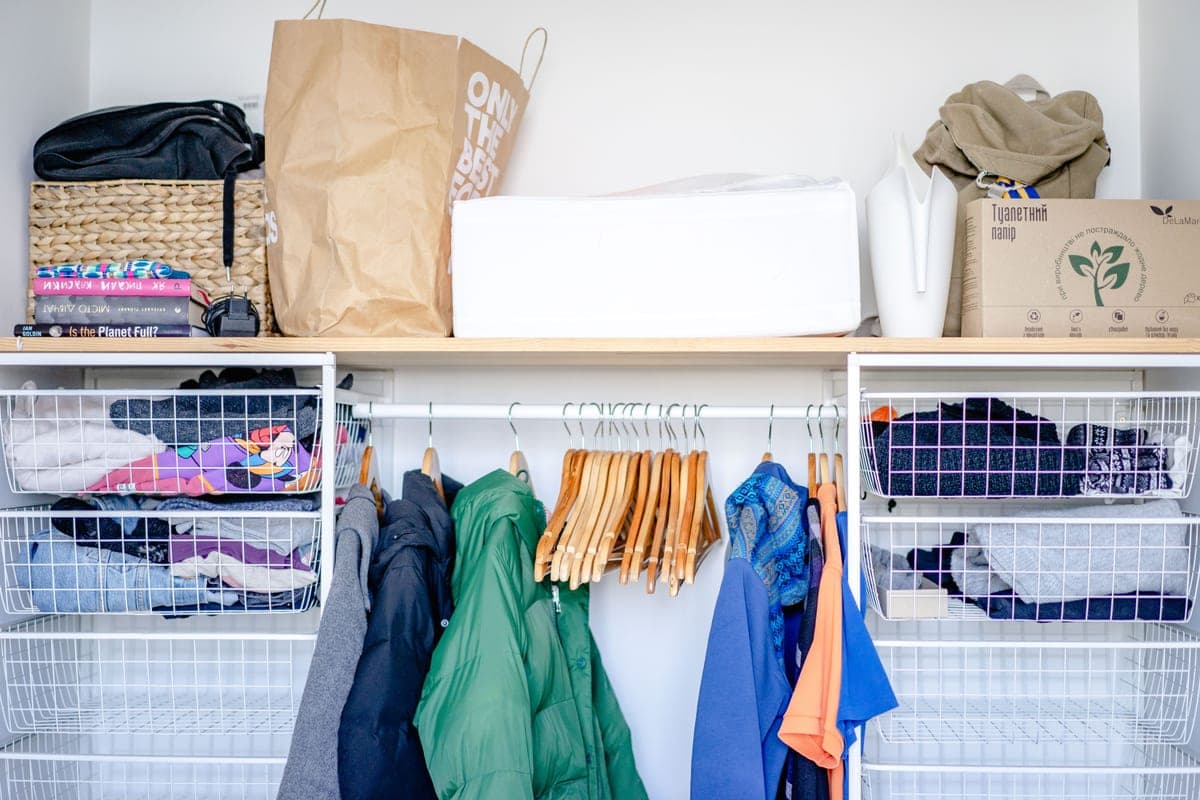
ClosetMaid Over-the-Washer Wall Shelf
Best for reclaiming the wall above the machines
Wall-mounted shelving that turns the dead space above the machines into real, usable storage.
Rooms
The over-the-machine shelving, bins, and cart layout I use to make a utility room both functional and genuinely nice to stand in.
By Catherine Vizcaino · Home-renovation pro & founder
Updated August 2026
As an Amazon Associate, I Heart My Home earns from qualifying purchases. It never changes your price or our picks. Learn more.
A laundry room is the one space in a house that has to be a workhorse and still not embarrass you when the door’s open. On renovations it’s almost always the last room anyone thinks about, which is exactly why it ends up as a pile of detergent jugs on top of the dryer and a floor rack you have to shuffle around. The good news: it’s also the cheapest room in the house to fix, because the wins are almost all storage, not construction.
My rule here is simple — get everything off the floor and off the machines. Claim the wall above the washer, give every category of supply one home, and build a folding surface you can actually use. Do that and a cramped utility closet starts behaving like a room. Below is the exact shop-the-look I’d use to turn a laundry area from a dumping ground into something both functional and worth looking at.
One honesty note: Amazon prices move constantly, so every pick shows a Check price on Amazon button instead of a number I can’t promise. See our editorial policy for how picks are chosen, and our affiliate disclosure for how the links work.
Best for reclaiming the wall above the machines
Wall-mounted shelving that turns the dead space above the machines into real, usable storage.
Best for the skinny gap beside the machines
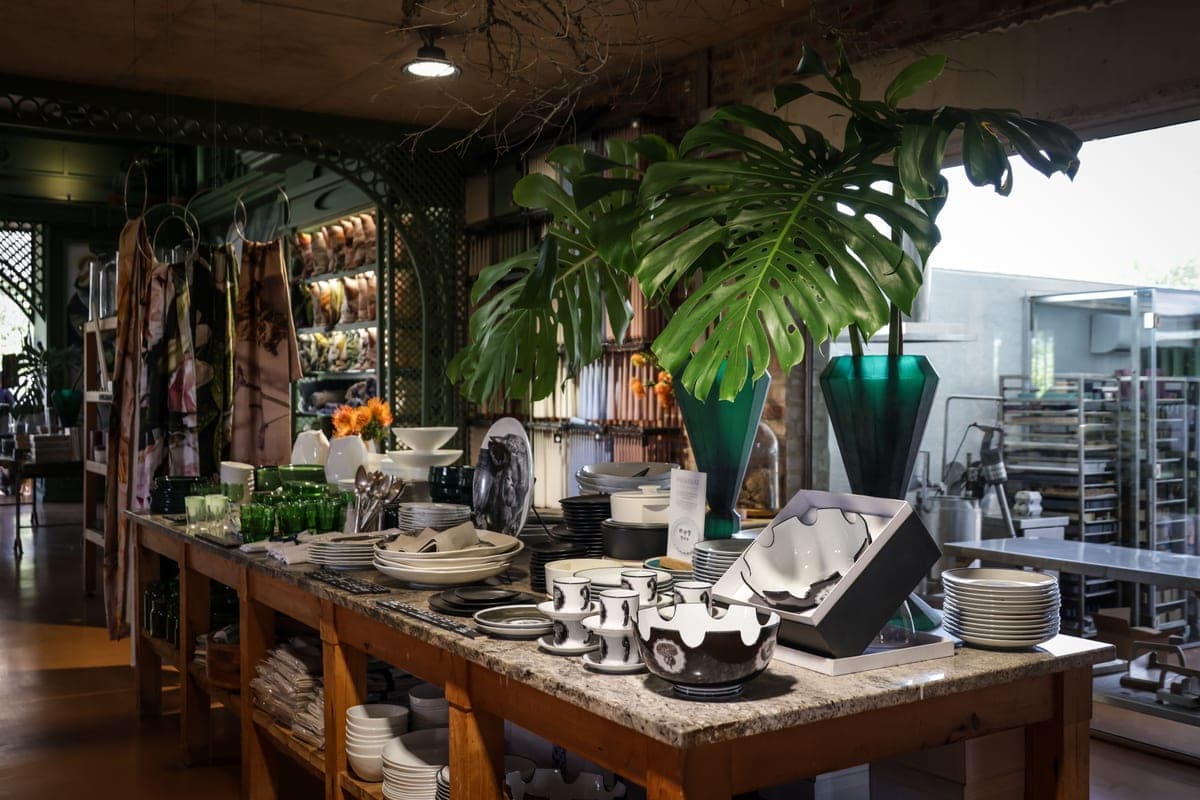
A narrow cart on casters that rolls into the dead gap between or beside the machines.
Best for hiding detergent and supplies in plain sight
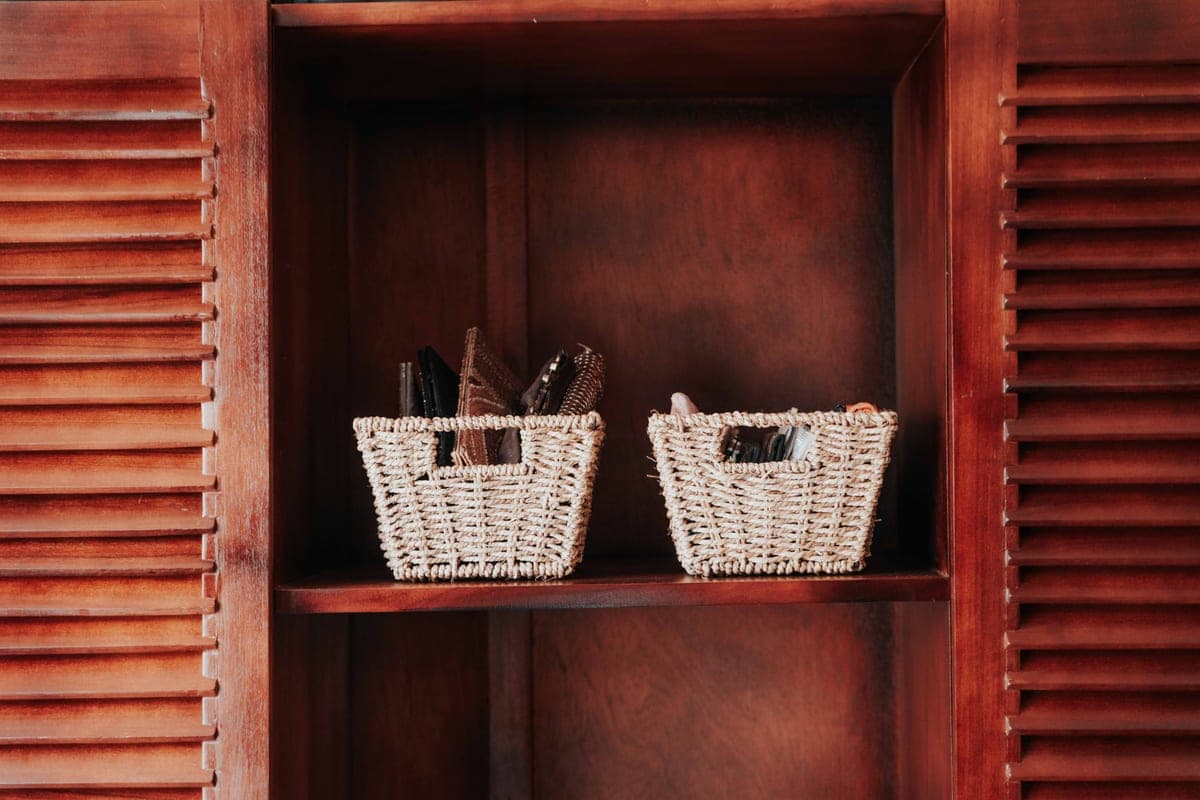
Matching lidded baskets that turn a jumble of bottles and boxes into a clean, uniform row.
Best for air-drying without a floor rack in the way
A rack that folds flat to the wall when you're done, so it never eats floor space.
Best for a folding surface that ties the room together
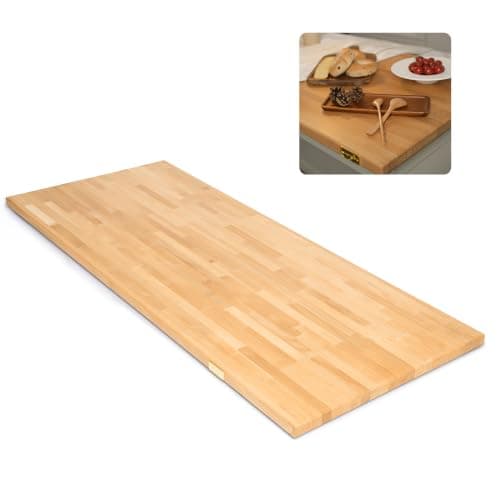
A run of butcher block over front-loaders that gives you a folding surface and a built-in look.
#ad · disclosure · Price as of September 19, 2026
Best for sorting on the way in, not on the floor
A rolling sorter with removable bags so lights, darks, and towels get separated before wash day.
A laundry room feels cramped for one reason more than any other: the storage is all at floor and machine height, so the top two thirds of the room sits empty. The fix is to go vertical. Claim the wall above the machines with shelving or a cabinet, put a slim cart in the gap beside them, and suddenly the floor is clear enough to actually stand and fold.
Two clearances matter when you mount anything above a washer. Over a top-loader, keep the lowest shelf high enough that the lid opens fully — I leave 16 to 18 inches of headroom above a closed lid. Over a front-loader, you have more freedom, and this is where a countertop shines. Either way, anchor into studs, not just drywall. A shelf loaded with detergent is heavier than it looks, and The Spruce’s guidance on wall-mounted storage says the same thing: hardware is what fails, not the shelf.
Want the open shelving to look intentional instead of exposed? The trick is matching containers — a row of the same bin reads as styling, a row of mismatched boxes reads as a mess. For a full category of picks, our storage and organization guide and our floating shelves roundup are where I’d start.
If you have front-loading machines, one move does more for the room than anything else: run a single continuous countertop across the tops of both. It instantly gives you a folding station, hides the slightly different heights and dents of two appliances, and makes the whole run read as one built-in cabinet instead of two random boxes.
The one thing to respect is vibration. Front-loaders shake hard on a spin cycle, so the countertop should never actually rest on the machines — support it on ledger strips screwed into the studs at each side and a cleat along the back wall, leaving a slim gap above the appliances. Butcher block is the most forgiving material for a DIY version because it cuts cleanly and you can scribe it to an out-of-square wall. Seal it on all sides before it goes in.
Above the counter, a row of wall hooks and a couple of home goods baskets handle the overflow — the dry-clean bag, the lost socks, the stain sticks. Keep the surface itself mostly clear so it stays a folding zone and doesn’t quietly turn back into a shelf.
Once the storage works, a laundry room takes almost nothing to make pleasant — and because you stand in it more than you’d guess, it’s worth the small effort. The three cheapest levers: light, color, and one soft touch. Swap a bare fixture or add a warm-white bulb so the space doesn’t feel like a garage, paint or peel-and-stick the back wall in a color you like, and add one living thing — a plant on the shelf or a small piece of art over the machines.
Labels earn their keep here too. Once the bins match and the fronts are labeled, the room looks organized even mid-load, and everyone in the house actually returns things to the right place. It’s the same discipline that makes a bathroom feel calm: a few closed, uniform containers doing the visual work.
Working in a tight laundry closet rather than a full room? The rules tighten but don’t change — go taller, pick one deep bin per category, and keep the palette light. Our small-space solutions guide covers the vertical tricks in detail, and if you’re outfitting the whole room on a tight number, the decorate-on-a-budget guide stretches it the furthest.
It depends entirely on how they’re anchored, not the shelf itself. Mounted into wall studs with proper screws, a standard shelf easily holds a row of full detergent jugs. Mounted into drywall with plastic anchors alone, it will eventually pull out under that weight. Always find the studs, and if you can’t hit one where you need it, use heavy-duty toggle anchors rated for the load.
Not a fixed one — a top-loader needs its lid to open, so a solid counter across the top would block it. Countertops-over-machines work with front-loaders. Over top-loaders, mount a shelf high on the wall instead, leaving 16 to 18 inches of clearance above the closed lid so it still opens fully.
Keep them up high, out of sight, and in a closed container — laundry pods look like candy to small children and are a real poisoning risk. Store them on a high shelf or in a lidded bin, ideally still in their original sealed packaging, and never leave them out on the machine top. The U.S. Consumer Product Safety Commission treats single-load packets as a household hazard to keep away from kids.
Go up the wall. A wall-mounted folding rack pulls down when you need it and folds flat when you don’t, so it never takes floor space. A retractable clothesline or a rod mounted under a shelf does the same job in a narrow room. Position any of them over the machines or a utility sink so drips land somewhere that doesn’t matter.
Store vertically, keep the palette light, and give every category one deep bin instead of several small ones. Claim the wall above the machines, use a slim rolling cart for the gap beside them, and add a warm-white light so the space doesn’t feel like a garage. Less clutter at eye level is what makes a small laundry area feel bigger, not more square footage — our small-space guide goes deeper.
Browse the roundups I'd actually hand a client — honest picks, real trade-offs, and the one to buy first.