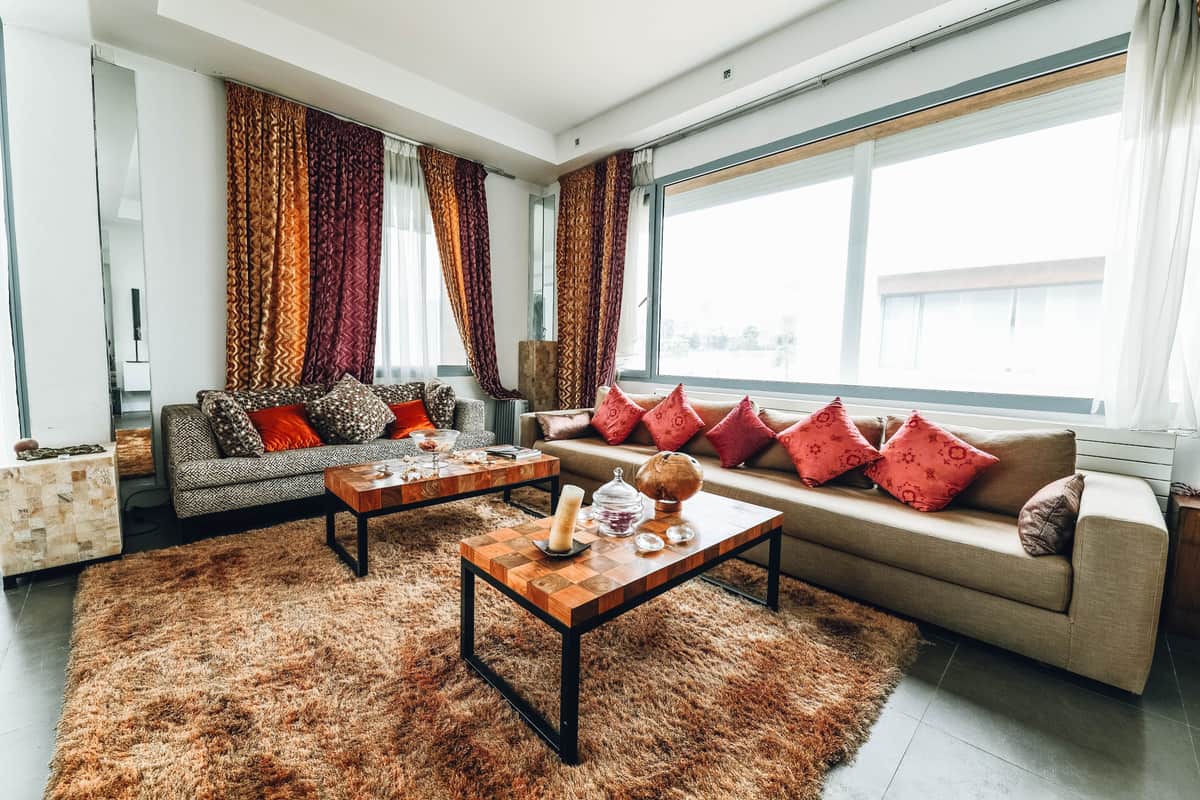
Washable Low-Pile Kids' Area Rug
Best for a floor that survives spills
A machine-washable, low-pile rug that shrugs off the spills and traffic a kid's room guarantees.
Rooms
The durable rug, toy storage, and lighting I choose so a kid's room survives real life and doesn't need redoing in two years.
By Catherine Vizcaino · Home-renovation pro & founder
Updated August 2026
As an Amazon Associate, I Heart My Home earns from qualifying purchases. It never changes your price or our picks. Learn more.
A kids’ room gets renovated more often than any other room in the house, and almost never because it wore out — it’s because the whole thing was themed to a four-year-old who is now seven and over it. After enough of these, my approach flipped: I spend the money on the pieces that take abuse and stay neutral, and I keep the personality in the cheap, swappable layer. That way the room grows with the kid instead of expiring on a birthday.
The split is simple. Big and permanent — the rug, the storage, the bed, the window — stays durable and calm. Small and swappable — the art, the bins’ colors, the bedding, the wall decor — carries the theme and costs little to change. Below is the shop-the-look I’d build a kid’s room around: pieces that survive spills, climbing, and growth spurts, plus the safety details that actually matter in a child’s space.
One honesty note: Amazon prices move constantly, so every pick shows a Check price on Amazon button instead of a number I can’t promise. See our editorial policy for how picks are chosen, and our affiliate disclosure for how the links work.
Best for a floor that survives spills
A machine-washable, low-pile rug that shrugs off the spills and traffic a kid's room guarantees.
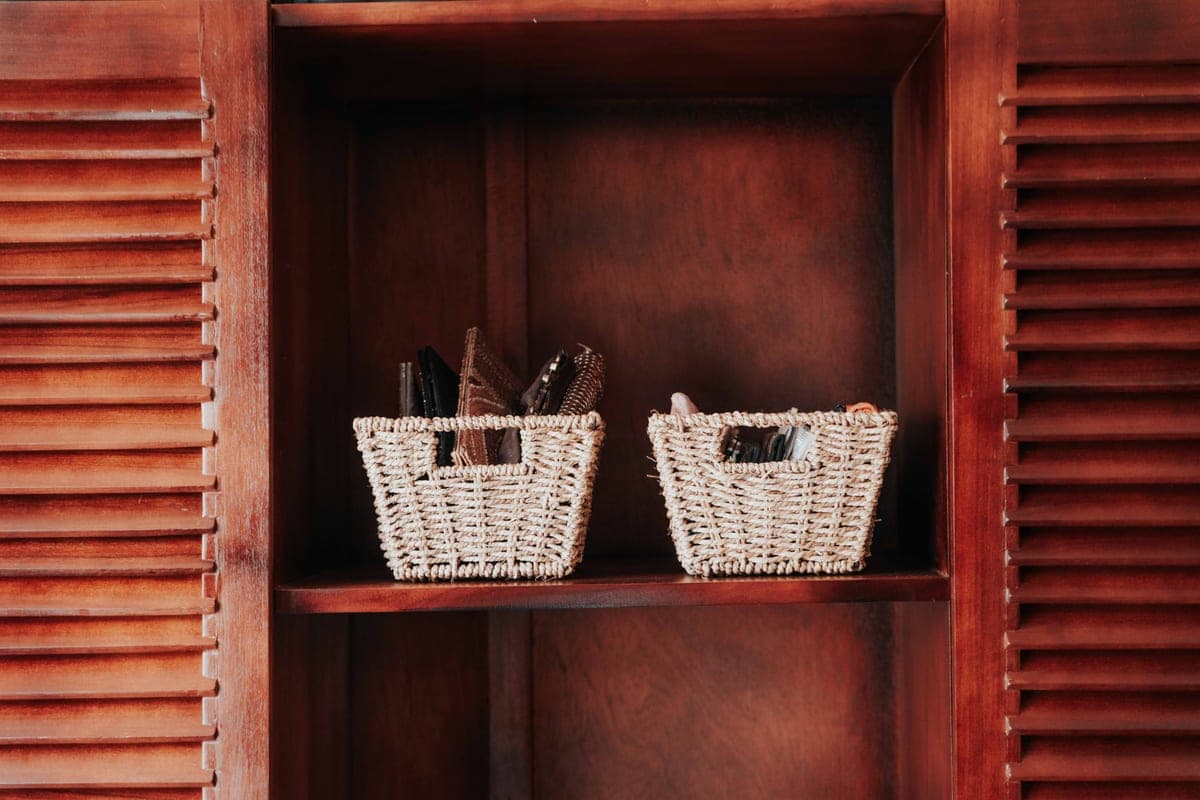
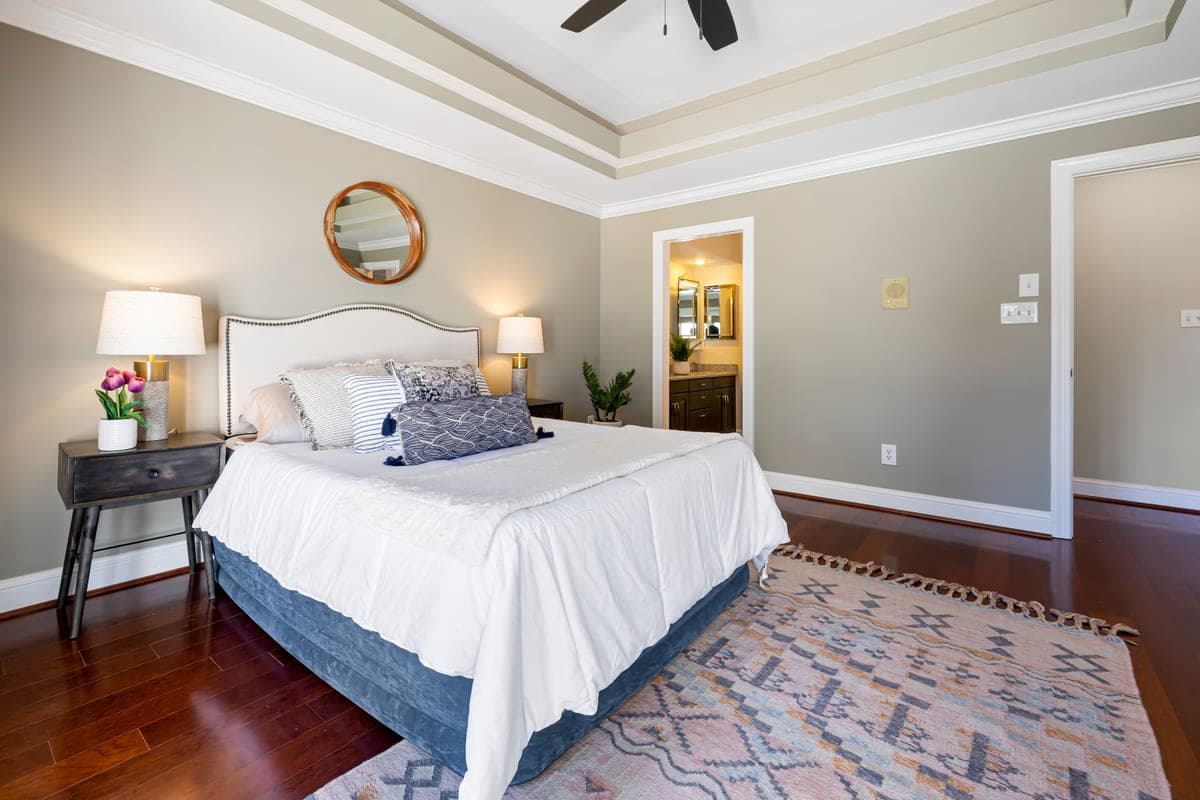
Best for toys a kid can put away alone
A low cubby unit with pull-out fabric bins sized for a child to manage without help.
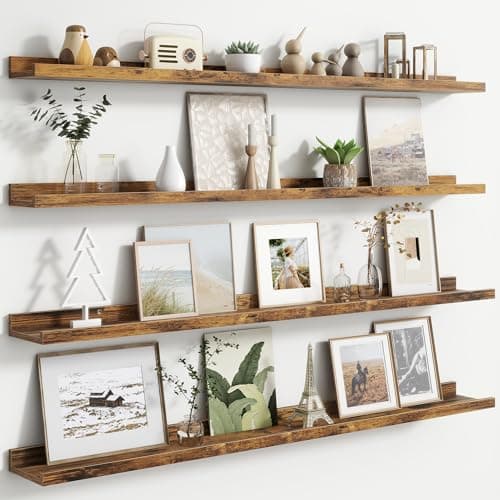
Best for books on display at kid height
A slim front-facing ledge that shows book covers so kids actually reach for them.
#ad · disclosure · Price as of September 19, 2026
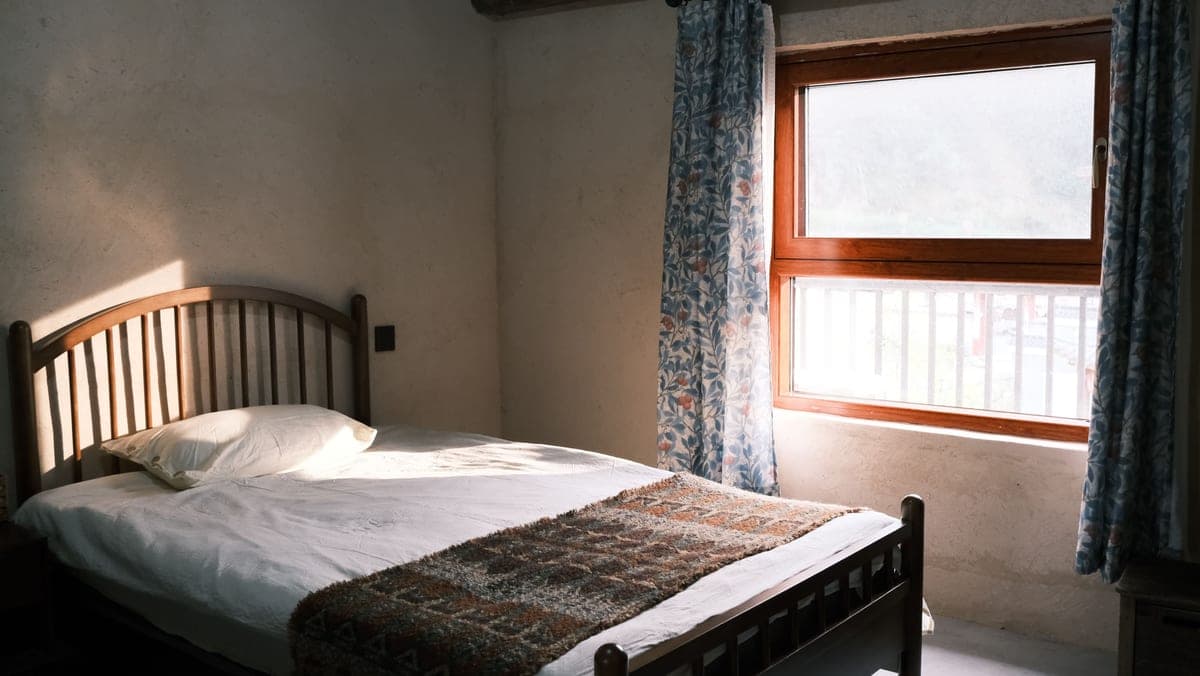
Best for naps and early summer bedtimes
Room-darkening panels that make daytime naps and 7 p.m. summer bedtimes actually possible.

Best for a soft glow for bedtime
A cool-touch lamp with a warm, dimmable glow for stories and a low setting for overnight.
#ad · disclosure · Price as of September 19, 2026
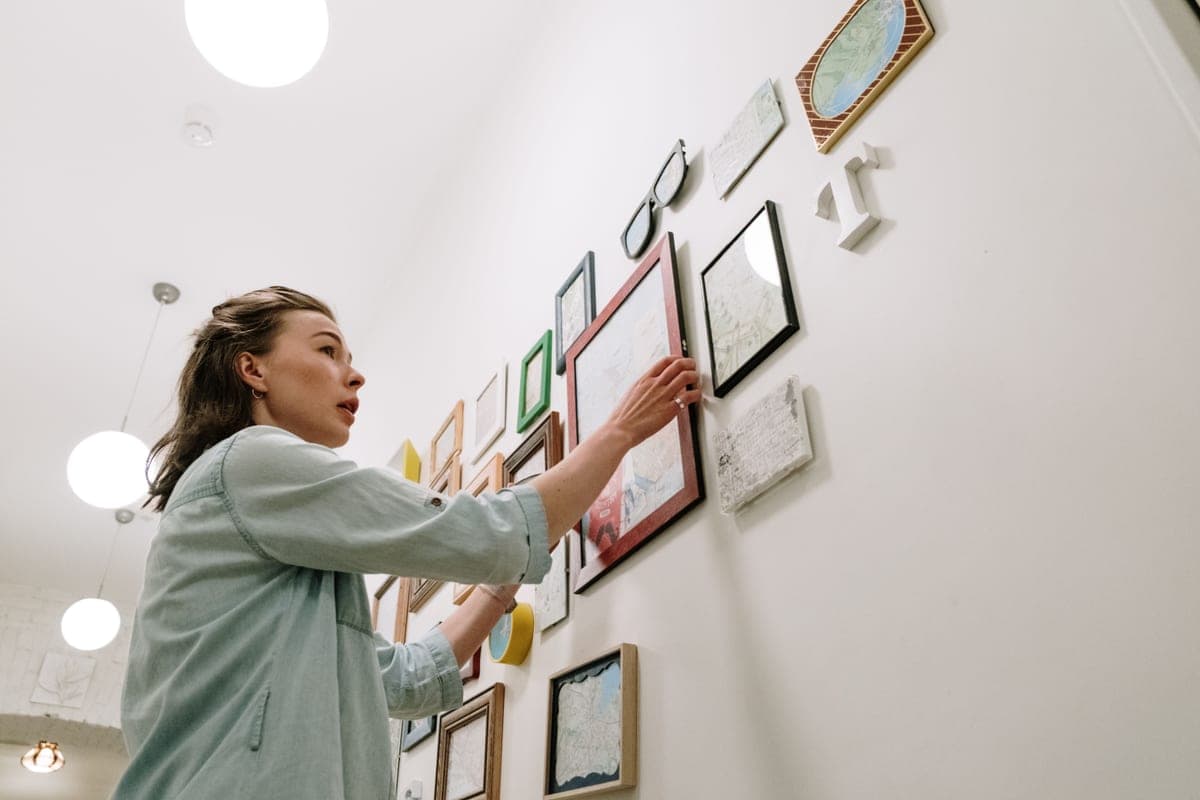
Best for personality that's easy to change
A coordinated set of prints that carries the theme in the cheapest, most swappable layer.
The whole strategy for a kid’s room is deciding what has to last and spending there. Durability shows up in unglamorous details: a washable rug instead of a plush one, solid or well-built storage instead of the flimsiest particleboard, a bed frame with a simple neutral finish rather than a themed one you’ll resent in three years. None of that reads as “kid” on a shelf, which is exactly why it survives the kid.
Safety is part of durability at this age, and the one that matters most is tip-over. Low dressers, cube shelves, and bookcases are the classic offenders because a toddler treats an open shelf like a ladder. Anchor every tall or front-loaded piece to a wall stud with an anti-tip strap — the U.S. Consumer Product Safety Commission has pushed furniture anchoring for years because tip-overs are a genuine, preventable hazard in children’s rooms.
When you’re choosing the anchor pieces, our area rug guide and dresser roundup lean toward the durable, neutral end that works here — and if you want the rug sized right the first time, the how-to-choose-an-area-rug guide walks through it.
Grown-up storage assumes you’ll take the time to file things neatly. Kids won’t, so the storage has to work at a toss. That means low, open, and labeled: bins a child drops toys into rather than drawers they have to organize, everything at their reach, and picture or word labels so cleanup is a game they can win alone.
A cube organizer with fabric bins is the piece I come back to because it grows through every stage — toys at three, books and art supplies at six, sports gear and keepsakes at ten — without ever being replaced. Pair it with a bookshelf or a front-facing book ledge at kid height, and reading and cleanup both become things they can do themselves. For the full category, our storage and organization guide has the bins and systems I trust.
One planning tip: leave the storage a little empty. Kids accumulate, and a system that’s full on day one has nowhere to grow. Buy the cubbies you’ll need at eight, not just the ones you need at three.
With the durable bones in place, the fun layer is where the room becomes theirs — and where you keep it cheap and swappable. Let the bedding, the art, and the bin colors carry the current obsession, because every one of those changes for a few dollars when the obsession does. Keep walls and big pieces neutral and you never repaint for a theme again.
Two functional layers are worth doing right. First, sleep: blackout curtains genuinely change how well a young child naps and settles, especially in summer. Hang them high and wide so light doesn’t leak around the edges — our how-to-hang-curtains guide and curtain picks cover the sizing. Second, safety: choose cordless blinds and shades in any child’s room, since window-covering cords are a known strangulation hazard.
For light, skip relying on the overhead fixture and add a small, warm, dimmable lamp for bedtime. If you want a calm, grow-with-them look to build around, a Scandinavian style of neutral wood and soft color ages beautifully — and the same durable-and-swappable thinking makes a great guest room when the kids eventually move out of this one.
Split the room into permanent and swappable. Keep the big pieces — rug, storage, bed, walls — durable and neutral, and put all the theme in the cheap layer: art, bedding, and bin colors. When a kid outgrows dinosaurs, you change a few prints and a duvet cover instead of the whole room. That one habit is what keeps a kids’ room from expiring on a birthday.
A washable, low-pile rug with a non-slip pad. Washable means a spill is a wash cycle, not a stain; low pile gives a stable surface for play and doesn’t hide small toys; and a non-slip pad or backing keeps it from sliding when a child runs across it. Skip deep, shaggy rugs in a kids’ room — they trap crumbs and wear out fast.
Use anti-tip straps or brackets, and screw them into a wall stud, not just drywall. Most dressers, bookcases, and cube shelves ship with an anchor kit; if yours didn’t, buy one. Attach the strap to the top back of the piece and to the stud, then keep the heaviest items in the lowest drawers or bins. Tip-overs are a leading, preventable furniture hazard in kids’ rooms, so treat anchoring as required, not optional.
Yes — for most families they’re the highest-impact upgrade in the room. Blocking daylight makes naps and early bedtimes far easier, especially in summer when it’s light late. Hang the rod high and extend it past the window on both sides so the panels overlap the wall and seal the light out at the edges, and choose a cordless option for any blind behind them for safety.
A warm, dimmable LED lamp that stays cool to the touch, placed where the cord stays out of reach. LED avoids the burn risk of a hot incandescent bulb near bedding, a warm color temperature (around 2700K) helps kids wind down, and dimming lets one lamp cover story time and an overnight glow. Keep cords secured behind furniture and use outlets the child can’t easily reach.
Browse the roundups I'd actually hand a client — honest picks, real trade-offs, and the one to buy first.