Skip to content
IMy Home

Best Picks

The Best Curtains and Drapes to Finish a Room

Curtains are the fastest soft-furnishing upgrade there is - here is what I actually hang and how I hang it.

By Catherine Vizcaino · Home-renovation pro & founder

Updated August 2026

Linen curtains framing a sunlit window

As an Amazon Associate, I Heart My Home earns from qualifying purchases. It never changes your price or our picks. Learn more.

Curtains do more for a room than almost any other soft furnishing, and most people hang them wrong. Panels that are too short, too skimpy, or mounted right on top of the window frame make a whole room look unfinished — while the same window dressed properly reads as tailored and expensive. The fabric matters, but how you hang it matters just as much, and I will cover both below.

The picks here span the situations I run into most: true blackout for a bedroom, soft faux-linen for filtered daylight, weighty velvet for drama and insulation, airy sheers for a layered look, and thermal panels for a drafty window. Every one is from a curtain brand people actually buy on Amazon, and each earns its spot on drape, opacity, and how believable it looks in a real room.

Before you buy, read the sizing section below — it is where most curtains go wrong. For how window light fits into the wider plan, see our home lighting guide, and for the room these most often dress, our living room decor guide. Prices move constantly, so each card shows a Check price on Amazon button instead of a number I cannot promise.

Quick picks at a glance

#ProductBest forPrice
1
Linen curtains framing a sunlit window
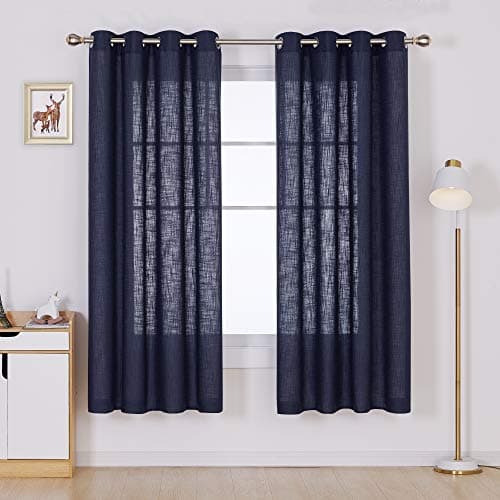
Nestl Blackout Curtains (Grommet Top, Set of 2)

A heavy triple-woven grommet panel that blocks light and hangs in clean, even folds.

bedroom blackout
2
A decorated, cozy living room with a sofa
Deconovo Faux Linen Curtains (Set of 2)

A light-filtering faux-linen panel that gives you the airy texture of real linen without the wrinkles or the price.

soft filtered daylight
3
A warm, decorated bedroom
Rose Home Fashion Velvet Curtains (Set of 2)

A dense velvet panel that adds instant richness and doubles as insulation against a cold or noisy window.

drama and insulation
4
Linen curtains framing a sunlit window
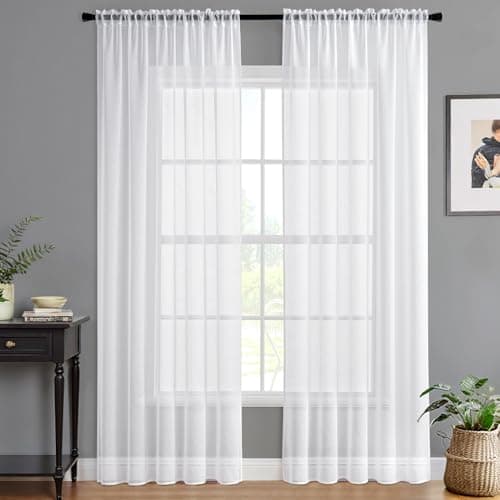
MIULEE Semi-Sheer Linen-Look Curtains (Set of 2)

An airy semi-sheer that diffuses harsh light and layers beautifully in front of a heavier drape.

layering and soft privacy
5
A cozy reading corner with a chair, lamp, and plants
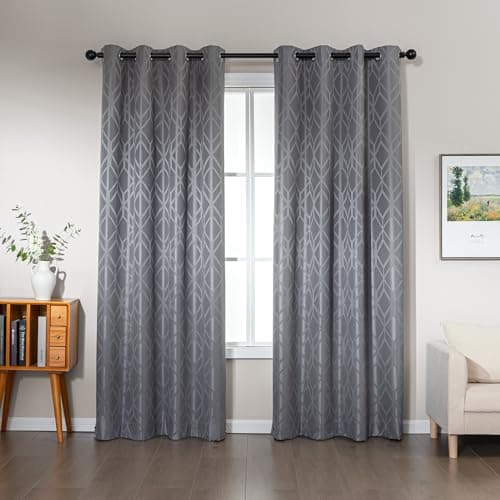
Amazon Basics Room-Darkening Thermal Curtains (Set of 2)

A no-nonsense thermal panel that darkens a room and helps hold heat against a cold or sunny window.

drafty windows and energy saving
6
A decorated, cozy living room with a sofa
Sonoma Goods For Life Tab-Top Curtain Panel

A relaxed tab-top panel that reads casual and farmhouse, with the loops on show for an unfussy look.

casual farmhouse windows

Tap any row to jump to the full write-up. Prices open on Amazon in a new tab.

How we chose these picks

Every pick here is chosen the way I’d choose it for a client’s home: real-world durability first, build quality and materials second, and value for the money third. Where I’ve installed or lived with a product on a job, I say so and tell you what I saw. Where a pick is based on research and verified buyer feedback rather than hands-on use, I say that too — I never claim to have tested something I haven’t.

Read our full editorial policy for how we evaluate and update these guides.

1

Nestl Blackout Curtains (Grommet Top, Set of 2)

Nestl · Best for bedroom blackout
Linen curtains framing a sunlit window

A heavy triple-woven grommet panel that blocks light and hangs in clean, even folds.

Nestl is my default blackout recommendation because the panels are thick enough to actually darken a bedroom, and the grommet top is the most foolproof heading for a first-time buyer. The weight is what sells it: cheap blackout curtains hang like plastic, and these fall like real drapery.

Pros

  • Genuinely darkens a room for sleep or a nursery
  • Grommet top slides easily and folds neatly
  • Heavier weight helps deaden outside noise

Cons

  • Not fully room-black at the edges without a wrap rod
  • Deep colors can ship with a slight crease to steam
2

Deconovo Faux Linen Curtains (Set of 2)

Deconovo · Best for soft filtered daylight

A decorated, cozy living room with a sofa

A light-filtering faux-linen panel that gives you the airy texture of real linen without the wrinkles or the price.

Real linen is beautiful and a wrinkled headache; a good faux-linen gives you ninety percent of the look with none of the ironing. Deconovo weaves a convincing slub texture, and the light-filtering opacity is exactly what a living room or dining room wants during the day.

Pros

  • Woven texture reads like real linen from across the room
  • Filters daylight into a soft glow without going dark
  • Resists the deep creasing that plagues true linen

Cons

  • Light-filtering, so not a blackout option
  • Lighter panels can billow near an open window
3

Rose Home Fashion Velvet Curtains (Set of 2)

Rose Home Fashion · Best for drama and insulation

A warm, decorated bedroom

A dense velvet panel that adds instant richness and doubles as insulation against a cold or noisy window.

Nothing dresses a window faster than velvet - the weight alone makes a room feel considered, and the pile quietly helps with drafts and echo. Rose Home Fashion is a real curtain specialist, and their velvet hangs in the deep, even folds that separate drapery from a flat sheet of fabric.

Pros

  • Plush velvet reads luxurious and hangs with real weight
  • Dense pile insulates and muffles sound well
  • Deep jewel tones bring warmth to a neutral room

Cons

  • Heavy panels need a sturdy rod and brackets
  • Velvet shows dust and wants an occasional shake or vacuum
4

MIULEE Semi-Sheer Linen-Look Curtains (Set of 2)

MIULEE · Best for layering and soft privacy

Linen curtains framing a sunlit window

An airy semi-sheer that diffuses harsh light and layers beautifully in front of a heavier drape.

Sheers are the layer most people skip, and they are what make a window look finished rather than bare. MIULEE makes a linen-textured semi-sheer that filters daylight into something soft and flattering, and pairs perfectly on a double rod with the blackout or velvet panels above.

Pros

  • Softens and diffuses direct sun without blocking the view
  • Layers behind blackout or velvet for a designer double rod
  • Lightweight enough to move air on a breezy day

Cons

  • Sheer by design, so little privacy after dark alone
  • Very light fabric can blow around near a fan or vent
5

Amazon Basics Room-Darkening Thermal Curtains (Set of 2)

Amazon Basics · Best for drafty windows and energy saving

A cozy reading corner with a chair, lamp, and plants

A no-nonsense thermal panel that darkens a room and helps hold heat against a cold or sunny window.

For a drafty older window or a room that bakes in the afternoon, a thermal panel earns its keep in comfort and utility bills, not just looks. Amazon Basics is the dependable, widely stocked pick when you want the insulating benefit without overspending on a bedroom you rarely see.

Pros

  • Insulating weave helps with drafts and afternoon heat
  • Room-darkening without a full blackout price
  • Simple, reliable option in a wide range of sizes

Cons

  • Room-darkening rather than true theater-black
  • Plain finish is functional more than decorative
6

Sonoma Goods For Life Tab-Top Curtain Panel

Sonoma Goods For Life · Best for casual farmhouse windows

A decorated, cozy living room with a sofa

A relaxed tab-top panel that reads casual and farmhouse, with the loops on show for an unfussy look.

Tab-top panels are the easygoing cousin of the grommet, and they are what I reach for in a relaxed, farmhouse-leaning room where you want to show off a pretty rod. Sonoma is a genuine home-goods line, and the loose loops give a lived-in softness that a formal pleat cannot.

Pros

  • Tab-top loops give a soft, informal drape
  • Casual style suits farmhouse and cottage rooms
  • Loops slide freely on a decorative rod you want to see

Cons

  • Tabs sit the panel slightly lower than grommets
  • Less light control than a lined blackout panel

How to size and hang curtains (where most people go wrong)

Fabric choice gets all the attention, but hanging is where a room is won or lost. The same panel looks cheap mounted low and tight, and custom mounted high and wide. My rules after dressing a lot of windows:

  • Hang high. Mount the rod close to the ceiling or crown, not on the frame. Raising the rod draws the eye up and makes the window — and the ceiling — look taller.
  • Hang wide. Extend the rod several inches past the frame on each side so open panels stack off the glass. You get more light and the window looks bigger.
  • Go long. Panels should just kiss the floor, or break an inch for a relaxed look. Curtains that float above the floor are the number-one tell of a rushed job.
  • Buy for fullness. Total panel width should run about two to two-and-a-half times the window width so the fabric gathers instead of stretching flat.

Get those four right and even an inexpensive panel reads as tailored. For how curtains balance the rest of the light in a space, see our home lighting guide.

Blackout, room-darkening, sheer, or thermal: which to buy

The labels get used loosely, so here is what they actually mean and where each belongs. Matching opacity to the room is more important than the color:

  1. Blackout for bedrooms, nurseries, and media rooms — anywhere you want it genuinely dark for sleep or a screen.
  2. Room-darkening and thermal for guest rooms and drafty or sun-baked windows, where you want dimming and insulation without full theater-black.
  3. Light-filtering linen and faux-linen for living and dining rooms, where you want soft daylight and texture, not darkness.
  4. Sheers as a layer, almost never alone — pair them on a double rod with a solid panel you can draw at night.

When in doubt, layer a sheer with a heavier panel and you cover both day and night in one window. For the room these dress most often, browse our bedroom decor guide.

Small tricks that make cheap curtains look custom

Curtains ship folded and stiff, and how you finish them at home is what separates a boutique window from a bargain one. None of this costs a cent:

  • Steam, do not iron. A handheld steamer, top to bottom while the panel hangs, drops the creases without the flat sheen an iron leaves on synthetics and velvet.
  • Train the pleats. Set an accordion fold by hand, tie the stack loosely for a day, and the panel will hang in even columns from then on.
  • Weight the hem. Small sew-in drapery weights or a deeper hem keep light panels hanging straight instead of flaring out at the bottom.
  • Buy a longer rod. A rod that clears the frame is the cheapest upgrade there is, and it is what makes a standard-size panel look made-to-measure.

For more affordable finishing touches around the room, see our best throw blankets and the softer layers that pair with a well-dressed window.

Frequently asked questions

How high should I hang curtains?

Mount the rod close to the ceiling or crown molding rather than on the window frame — ideally four to six inches above the frame, or higher in a room with tall ceilings. Hanging high draws the eye up and makes both the window and the ceiling look taller, and a rod that extends past the frame lets the panels stack off the glass. See our home lighting guide for how that plays with natural light.

What length curtains do I need?

Measure from where the rod will actually sit down to the floor, because curtains look best just kissing the floor or breaking about an inch. Standard panel lengths are 84, 95, 108, and 120 inches, so decide how high you want the rod first, then buy the length that reaches the floor from there. Panels that hover above the floor are the fastest way to make a window look unfinished.

Do blackout curtains really block all light?

A good blackout panel blocks the light coming through the fabric itself, but light still leaks around the edges where the panel meets the wall and window. To get a room genuinely dark, extend the rod past the frame so the panels overlap, use a wrap-around return rod, or add a blackout liner — the fabric is only half the battle.

Should curtains match the wall color?

Curtains a shade or two off the wall color make a room feel larger and more restful, because the window blends into the wall instead of chopping it up. Go for a contrasting or patterned panel when you deliberately want the window to be a feature. A neutral panel close to the wall tone is the safe, room-expanding default.

How many curtain panels do I need per window?

Plan for the total panel width to be about two to two-and-a-half times the width of the window, so the fabric gathers into folds instead of stretching flat. For most standard windows that means two panels, but a wide window or a fuller look may call for three or four. Skimpy, flat panels are the most common curtain mistake there is.

Ready to make your space feel like home?

Browse the roundups I'd actually hand a client — honest picks, real trade-offs, and the one to buy first.