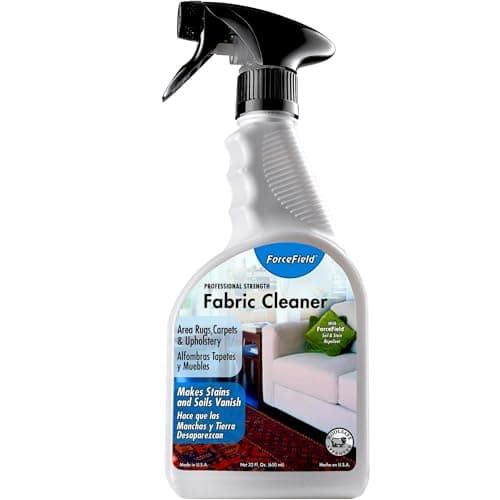
Fabric Upholstery Cleaner
Best for W and WS coded fabrics
A water-based upholstery spray for the everyday spills and grime on water-safe fabric couches.
$14.75 · View on Amazon
#ad · disclosure · Price as of September 19, 2026
Guides
Read the little letter tag first - it tells you exactly what your couch can take.
By Catherine Vizcaino · Home-renovation pro & founder
Updated August 2026
As an Amazon Associate, I Heart My Home earns from qualifying purchases. It never changes your price or our picks. Learn more.
Most couches that get “ruined” by cleaning weren’t dirty — they were cleaned with the wrong thing. The good news is your couch already tells you exactly what it can handle. There’s a tiny tag, usually under a cushion or on the frame, with a single letter code, and reading it first is the whole game.
I’ve cleaned a lot of upholstery on job sites, and the method below is the boring, reliable one: identify the code, work from the outside of a stain in, test on a hidden spot, and never soak. Do it in that order and you’ll lift the mess without leaving a water ring or a bleached patch behind.
A quick note on the supplies I mention: prices shift, so you’ll see a Check price on Amazon button rather than a number. Pair a fresh couch with new decorative throw pillows and the room reads brand-new for very little.
Best for W and WS coded fabrics
A water-based upholstery spray for the everyday spills and grime on water-safe fabric couches.
#ad · disclosure · Price as of September 19, 2026
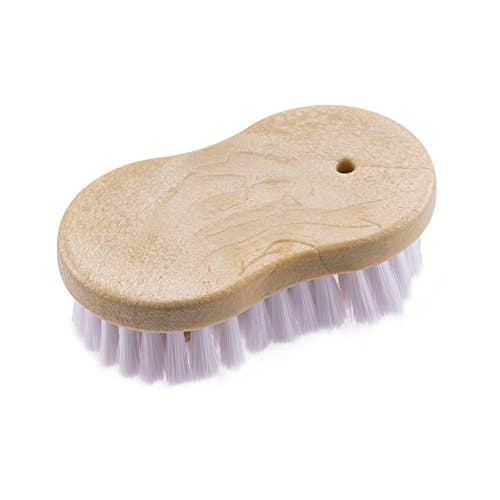
Best for lifting pet hair and ground-in grime
A soft-bristle brush that agitates cleaner into a weave and rakes out embedded pet hair.
#ad · disclosure · Price as of September 19, 2026
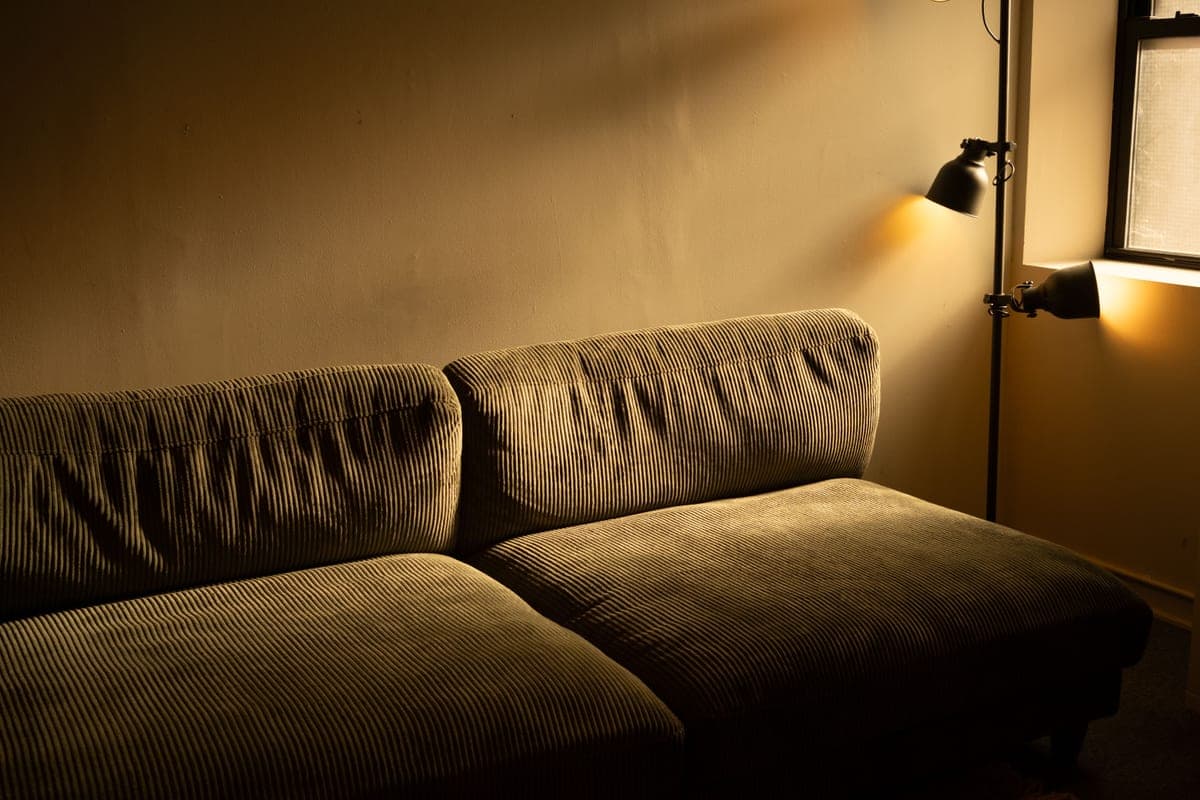
Best for high-traffic couches
A stretch slipcover you can pull off and throw in the wash whenever life happens to the couch.
Before any cleaner touches the couch, find the manufacturer’s tag — usually under a seat cushion, on the deck, or on the frame — and read the letter. It tells you exactly what you’re allowed to use.
No tag? Treat it as delicate: test the gentlest option on a hidden patch (the back corner or under a cushion) and wait for it to fully dry before you trust it on the visible surface.
Speed and restraint win here. The instinct to scrub hard and soak the spot is exactly what sets a stain and spreads it. Work in this order:
Use a white cloth so dye from the rag doesn’t transfer, and never mix cleaning products — some combinations release fumes you don’t want in a closed room.
Fabric and leather want opposite care, so know which you’re dealing with before you start.
A slipcover is also the quiet fix for a couch that’s clean but tired — a fresh cover and new pillows do more for a room than most people expect.
Once it’s clean, a little upkeep keeps it that way — and keeps you from needing another deep clean soon.
For a full living-room refresh once the couch is sorted, the living-room hub covers layout and styling, and furniture assembly tips helps if you’re adding new pieces around it.
It’s the manufacturer’s cleaning code, usually on a tag under a cushion or on the frame. W means water-based cleaners only, S means solvent-only (no water), WS means either is safe, and X means vacuum and brush only — no liquids at all. Match your cleaner to the letter and you won’t stain it.
Only on a W or WS code, and sparingly. A drop of mild dish soap in water works as a spot cleaner, but too much leaves a residue that actually attracts dirt. Diluted vinegar is gentler but can lighten some dyes. Test either on a hidden patch first — and never put water on an S or X code couch.
Baking soda is the workhorse. Sprinkle it over the fabric, let it sit 15 to 20 minutes to pull odors out, then vacuum it all up. It’s safe on most water-tolerant fabrics and handles everyday smells well. For deeper odors, wash any removable covers and give the couch a good airing out.
That ring is a moisture problem. When cleaner soaks into the foam, it wicks back to the surface as it dries and drags dissolved dirt with it, leaving the tell-tale ring. The fix is less liquid: blot rather than soak, work from the outside of the stain inward, and dry the spot quickly with a fan so nothing wicks back up.
Vacuum weekly so grit doesn’t grind into the weave, spot-clean spills the moment they happen, and give the whole surface a refresh every three to six months depending on your traffic. Rotate and flip the cushions along the way so wear spreads evenly. Pets and kids push you toward the shorter end of that window.
Browse the roundups I'd actually hand a client — honest picks, real trade-offs, and the one to buy first.