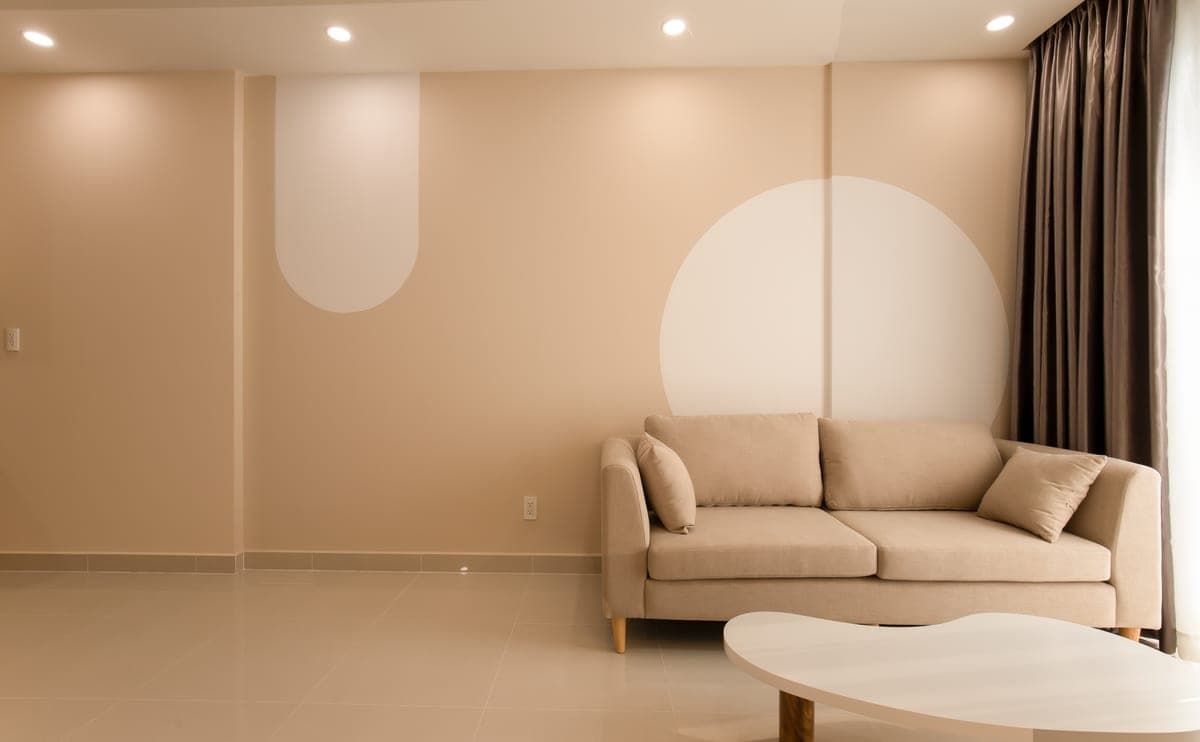
Kiln-Dried Hardwood Frame Sofa
Best for a do-it-all main sofa
A three-seat sofa built on a kiln-dried hardwood frame - the construction that separates a decade of use from a squeaky year.
Guides
Frame, fill, fabric, and fit - the four things I check before a sofa comes into a house.
By Catherine Vizcaino · Home-renovation pro & founder
Updated August 2026
As an Amazon Associate, I Heart My Home earns from qualifying purchases. It never changes your price or our picks. Learn more.
A sofa is the one piece of furniture your whole family lands on every day, and it’s usually the biggest single thing you’ll buy for a room. After years of moving furniture in and out of homes for a living, I can tell you the sofas that hold up and the ones that sag, squeak, and pill inside a year come down to the same handful of details — and none of them are the color.
This is the exact checklist I run through: the frame that decides how long it lasts, the fill that decides how it feels, the fabric that decides how it survives real life, and the fit — both to the room and to your front door. Get those four right and the rest is taste.
One honest note on the picks below: Amazon prices move constantly, so you’ll see a Check price on Amazon button rather than a number I can’t stand behind. If you’re still weighing materials, my leather vs. fabric sofa comparison breaks that decision down before you commit.
Best for a do-it-all main sofa
A three-seat sofa built on a kiln-dried hardwood frame - the construction that separates a decade of use from a squeaky year.
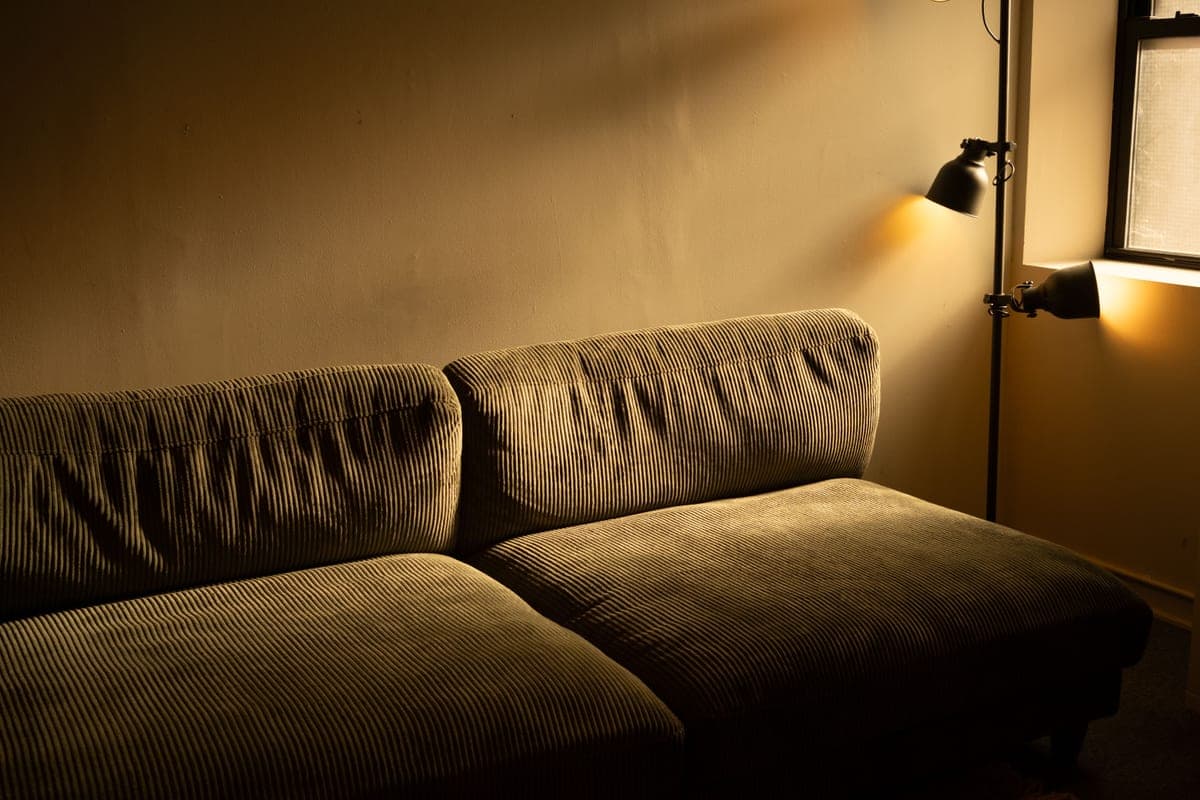
Best for overnight guests
A convertible sofa that turns a living room into a guest room without giving up everyday seating.
Best for homes with kids and pets
An L-shaped sectional wrapped in a tightly woven performance fabric that shrugs off spills and paws.
Best for apartments and small living rooms
A two-seat loveseat scaled for tight rooms where a full sofa would swallow the floor.
Everything you love or hate about a sofa in five years traces back to the frame you can’t see. The gold standard is kiln-dried hardwood — wood that’s been dried to a low moisture content so it won’t warp, crack, or let joints work loose as your home’s humidity swings. Avoid frames built mainly from particleboard, plywood scraps, or plastic; they feel fine in the showroom and start creaking once they live in a real house.
If a listing won’t tell you what the frame is made of, treat that silence as an answer. The best sofas advertise their frame because it’s the part worth paying for.
Two sofas with identical frames can feel completely different, and that’s the cushions doing the talking. Two dials matter: seat depth and fill.
Whatever the fill, check that cushions have zippered covers. Being able to unzip, rotate, and re-stuff a cushion — or replace a cover — is what keeps a sofa looking good for a decade instead of two years.
The cover is where good intentions meet real life. Pick it for the household you actually have, not the calm one you imagine on a Sunday morning.
Always order swatches before you buy. Color reads completely differently in your own light than on a screen, and a five-minute swatch check prevents a very expensive surprise.
The most heartbreaking sofa problem I see isn’t taste — it’s a beautiful couch stranded in a stairwell because nobody measured. Sizing has two halves: fitting the room and clearing the path.
Once it’s in, the placement is its own craft. Pair this with how to arrange living-room furniture and browse the best accent chairs to round out the seating. For the full room picture, start at the living-room hub.
The frame first: kiln-dried hardwood with glued-and-screwed corner blocks won’t warp or squeak the way particleboard does. Then good springs (eight-way hand-tied or a solid sinuous system), high-resiliency foam or down-wrapped cushions with zippered covers, and a fabric rated for real use. If a sofa gets those right, the rest is taste.
It depends on how you sit. A deep seat — 23 inches or more — is a lounging, napping sofa. A shallower seat around 20 to 22 inches is easier to sit upright on and better for shorter folks whose feet would otherwise dangle. There’s no universal “right” number, so sit on it the way you actually will at home.
Down is the plushest, sink-in feel, but it needs fluffing and shows sit marks. High-resiliency foam holds its shape with zero maintenance. The middle ground most people love is a down-wrapped foam core — soft to land on, with a core that keeps its structure. For a hard-working main sofa, I lean foam or foam-core.
Measure the sofa’s width, height, and diagonal depth, then walk the whole delivery path — doorway, hallway turns, stair landings. Movers usually angle a sofa through on the diagonal, so compare the diagonal depth to your doorway height, not just the widths. Popping the feet off (most sofas allow it) often buys the inch you need. My measuring guide covers the exact steps.
In a house with kids or pets, absolutely. Performance fabrics are tightly woven synthetics that resist stains and clean up with water, and the tight weave survives claws far better than loose linen. Just remember they’re stain-resistant, not stain-proof — blot spills fast and test any cleaner on a hidden panel first.
Browse the roundups I'd actually hand a client — honest picks, real trade-offs, and the one to buy first.