Nothing changes a piece of furniture like spraying it. A brushed dresser looks painted; a sprayed dresser looks manufactured. On cabinet doors the gap is wider still, because doors have profiles and raised panels and inside corners, and a brush leaves evidence in every one of them. This is the biggest visual upgrade available to anyone refinishing something at home, and the tool that delivers it costs less than most people assume.
It is also the tool most likely to be bought with enthusiasm, used twice, and then quietly retired to a shelf in the garage. Sprayers do not fail because they are bad. They fail because the buyer picked one sized for a different job, or had nowhere legitimate to use it, or discovered that fifteen minutes of cleanup is required whether you sprayed one drawer front or forty. So before the picks, here is the order I judge them in — which is not the order the listings want you to shop in.
- What are you spraying, in total? One nightstand, a dresser and two side tables, or thirty cabinet doors and drawer fronts are three different tools. Buy for the largest project you are genuinely going to do in the next year, not the one you are imagining.
- Thick paint or thin finish? Latex and acrylic furniture paints are thick and need a machine with enough pressure and a large enough tip to move them. Stain, sealer, and water-based polyurethane are thin, and a machine tuned for them lays them down beautifully while a paint-tuned machine can flood them. Some sprayers do both with a nozzle change; some are honestly better at one.
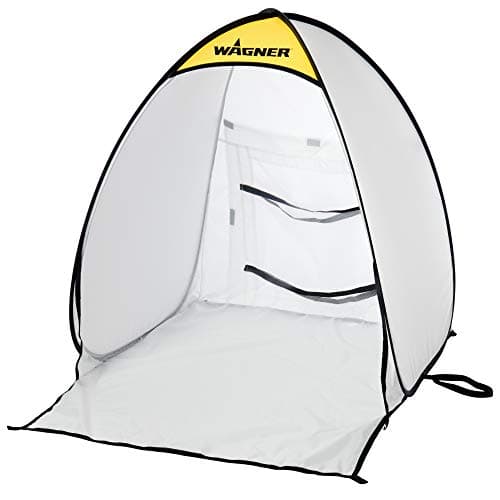
- Where will you spray? This question eliminates more sprayers than any specification. Every sprayer produces airborne overspray, and it settles on everything within reach — your car, the lawn mower, the chest freezer. If you have no garage, no covered outdoor space, and no way to contain it, solve that before you buy the machine, because the machine is useless without it.
- How much cleanup will you actually do? Every sprayer here has to be flushed and disassembled at the end of a session, and the time it takes barely changes with the size of the job. That fixed cost is what makes a sprayer wrong for one small piece and right for a room full of doors.
- Is the sprayer even the bottleneck? Usually it is not. Cleaning, degreasing, scuff-sanding, and priming decide whether a finish lasts; the sprayer only decides how smooth it looks on day one. A sprayed finish over bad prep peels just as enthusiastically as a brushed one.
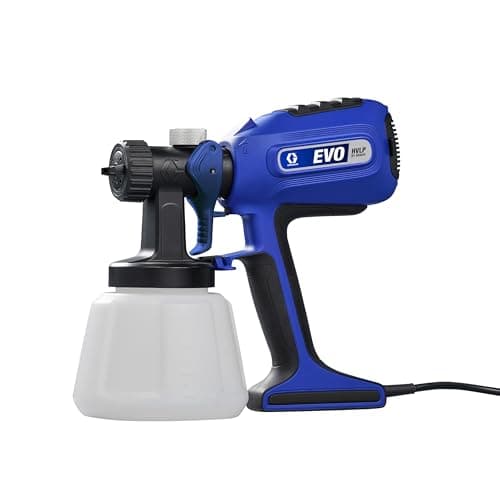
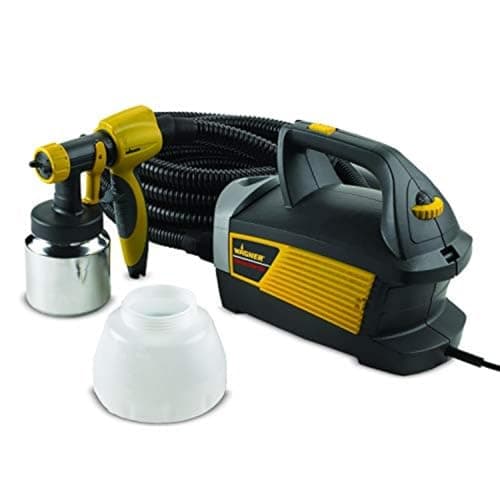
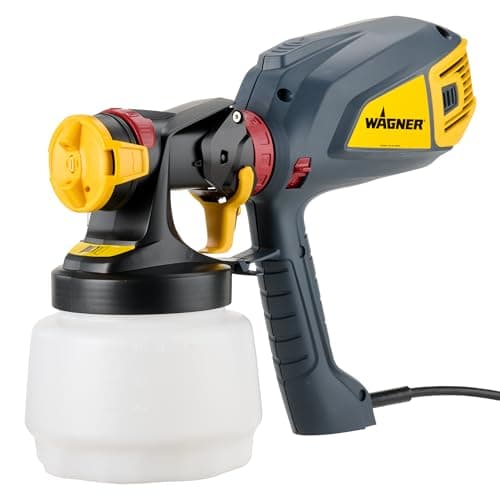
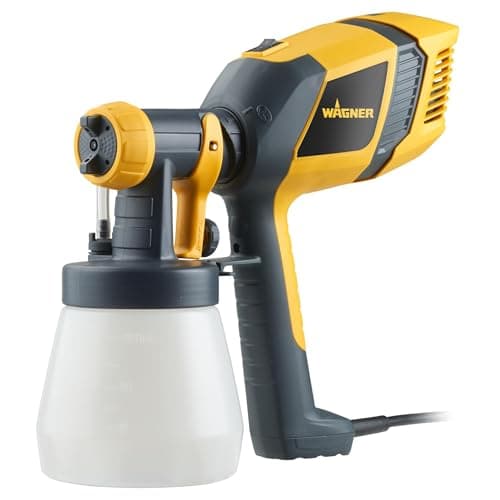
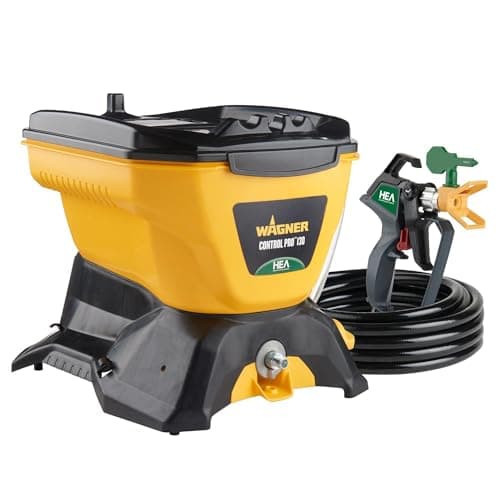
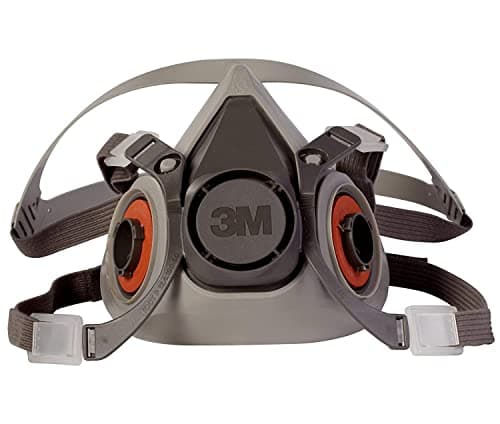
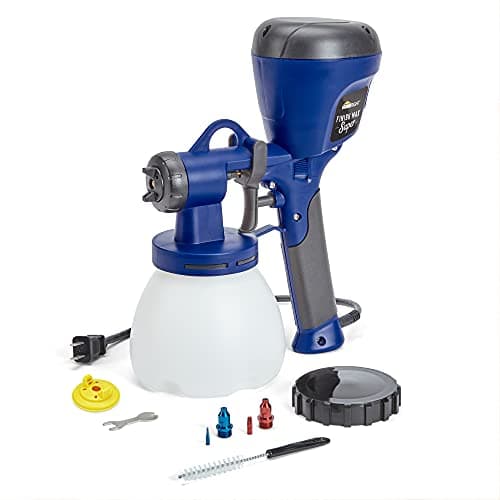
The eight buys below cover those jobs: an HVLP that suits the largest number of furniture projects, the cheapest option here from a real spray brand, a turbine setup for a whole kitchen’s worth of doors, a do-everything handheld that also does walls, a machine aimed specifically at stain and thin topcoats, an airless for when the project outgrows furniture entirely, and then the two things nobody puts on their list and everybody needs — a shelter to contain the overspray and a respirator to keep it out of your lungs. If you have not chosen a paint yet, start with my furniture paint guide, because the paint decides more about the result than the sprayer does. If the project is a kitchen, pair this with the cabinet hardware guide — new pulls on freshly sprayed doors is the whole makeover.
One honesty note before you shop. I renovate homes for a living, so I have sprayed a great many doors, and I will tell you plainly what I have seen on job sites. But I have not bench-tested these specific models against each other and I am not going to pretend otherwise: every feature named below comes from the manufacturer’s own Amazon listing, and where a listing does not state something, this page tells you to check rather than guessing on your behalf. Sprayer pricing moves constantly, so you will see a live, daily-updated price, with a Check price on Amazon button as the fallback when a price is briefly stale or unavailable. As an Amazon Associate we earn from qualifying purchases at no cost to you — our editorial policy and affiliate disclosure spell out exactly how that works.