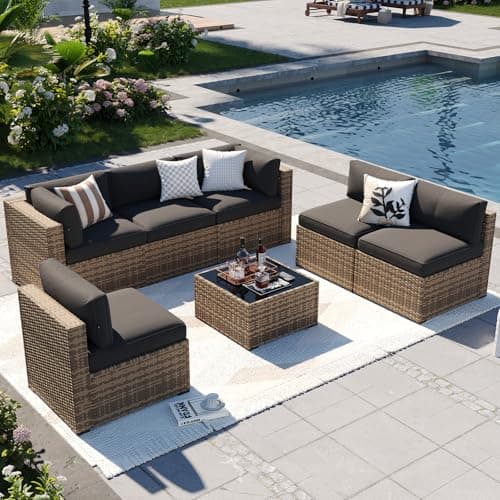
Aoxun 7-Piece Wicker Patio Conversation Set
Best for the outdoor anchor
An all-weather sectional set that gives the patio the same face-to-face seating a living room has.
Rooms
How I turn a patio into a real outdoor room - anchor, shade, light, then the soft layers.
By Catherine Vizcaino · Home-renovation pro & founder
Updated August 2026
As an Amazon Associate, I Heart My Home earns from qualifying purchases. It never changes your price or our picks. Learn more.
The patios that actually get used are the ones treated like a real room, not a slab with a folding chair on it. That is the whole shift: when a patio has a place to sit facing another place to sit, shade overhead, and light for after dark, people stay out there. When it does not, it becomes the spot the grill lives. After years of renovating homes, I plan outdoor space the same way I plan an indoor living room — anchor first, then work outward.
The order barely changes outside: anchor → shade and light → soft goods → decor last. The anchor is a conversation set arranged so people face each other, the shade and light make the space usable at noon and at night, and the rug, cushions, and greenery are what make concrete feel like a room. Below is the shop-the-look I would build an outdoor room around, with the caveat that everything out here has to earn its keep against sun, rain, and wind.
As always, Amazon prices move, so each pick shows a Check price on Amazon button rather than a number I cannot stand behind. For the broader category, our best furniture guide covers the anchor pieces indoors and out.
Best for the outdoor anchor
An all-weather sectional set that gives the patio the same face-to-face seating a living room has.
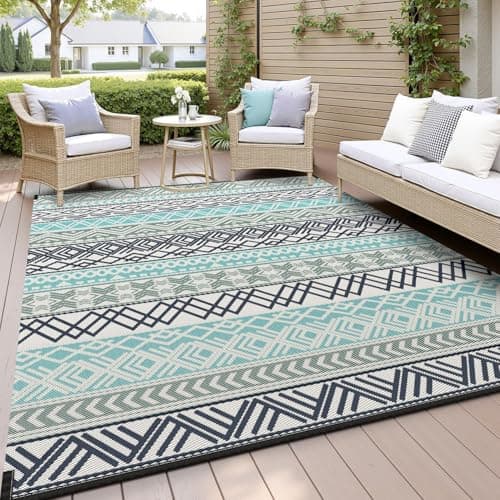
Best for grounding the seating
A woven plastic-straw rug that shrugs off rain and pulls the patio furniture into one group.
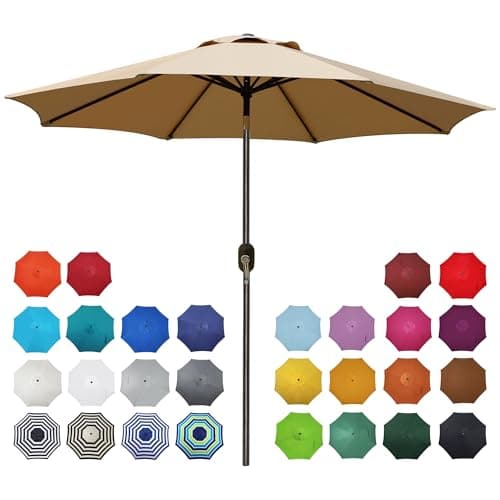
Best for shade over the table
A crank-and-tilt market umbrella that makes a patio usable through the middle of the day.
#ad · disclosure · Price as of September 19, 2026
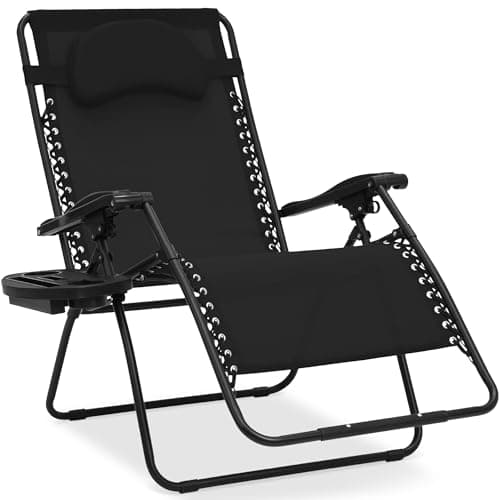
Best for solo lounging
A reclining zero-gravity chair for the one person who just wants to lie back with a book.

Best for after-dark ambiance
Weatherproof bistro lights that turn the patio into somewhere you want to sit after dark.

Best for color and softness
Water-resistant throw pillows that add the color and comfort a bare seating set is missing.
#ad · disclosure · Price as of September 19, 2026
The mental shift that fixes most patios is to stop thinking of it as leftover outdoor space and start planning it like a room with walls you cannot see. That means an anchor you arrange deliberately — a conversation set where seats face each other, not a row of chairs staring at the yard. Face-to-face seating is what makes people linger; a lineup along the wall makes them leave.
Measure the same way you would inside. Leave a walking path around the seating group, keep about 18 inches between the sofa and the table so drinks are in reach, and make sure a door or gate still swings clear. Then think about orientation: point the seating toward the best view or back toward the house for privacy, and note where the afternoon sun lands so you know where the umbrella has to go.
One outdoor-only factor decides a lot: wind and weather exposure. A covered porch can hold nearly anything; a fully exposed slab needs everything weighted, anchored, or light enough to bring in. Plan for it up front and the space stays usable instead of becoming a pile you are always chasing across the yard.
An outdoor room comes together in the same sequence as an indoor one, with shade standing in for part of the lighting layer:
Greenery does more outdoors than any single decor item indoors — a few large planters flanking the seating instantly make a patio feel established. For seasonal touches that swap onto that last layer as the weather turns, our fall decor guide and home decor ideas carry outside just as well as in.
Outdoor furniture is one place where the material matters more than the looks, because the weather is going to test every piece. For frames, I trust powder-coated aluminum (rustproof and light), all-weather resin wicker over a coated frame, and real hardwoods like teak or eucalyptus. What I steer people away from is bare or lightly painted steel, which rusts from the inside out the first time water pools in a joint.
For anything with fabric — cushions, pillows, sling chairs — the words to look for are solution-dyed and fade-resistant. Solution-dyed fabric has the color built into the fiber, so it holds up under sun far longer than printed fabric that sits on the surface. A quick guide from Consumer Reports on outdoor furniture materials is worth a read before a bigger purchase.
Whatever you buy, plan for storage from day one. A deck box, a covered bench, or a simple set of furniture covers is the difference between cushions that last a few seasons and ones that mildew by August. The furniture itself can usually live outside; it is the soft goods that need somewhere dry to go.
Size it like an indoor rug: large enough that at least the front legs of the seating sit on it, so the group reads as one zone. For a standard conversation set that usually means an 8 by 10. On an exposed patio, weight the corners or let the furniture legs hold it down so wind does not lift it.
A woven polypropylene outdoor rug can handle rain and dries fast, so it can stay out through the season. Cushions and pillows are usually water-resistant rather than waterproof — they shrug off dew and a light shower, but in a real downpour they should be covered or brought in, and always stored dry to avoid mildew.
For frames, powder-coated aluminum, all-weather resin wicker over a coated frame, and hardwoods like teak or eucalyptus hold up best. Avoid bare or lightly painted steel, which rusts once water sits in the joints. For fabric, look for solution-dyed, fade-resistant material that keeps its color under sun.
A nine-foot umbrella shades a standard table and its chairs and suits most patios. The base is what people underestimate: for a freestanding nine-foot umbrella, use a base of at least 50 pounds, and more on an exposed patio. Close the umbrella in strong wind so the ribs do not bend.
Layer the light low and warm, the same way you would inside. String lights strung overhead create a ceiling of soft light that makes concrete feel like a room; add a lantern or two and a portable light near the seating. Warm, dimmable light beats a single bright floodlight every time.
Browse the roundups I'd actually hand a client — honest picks, real trade-offs, and the one to buy first.